
Taking the Pulse of Conservative America
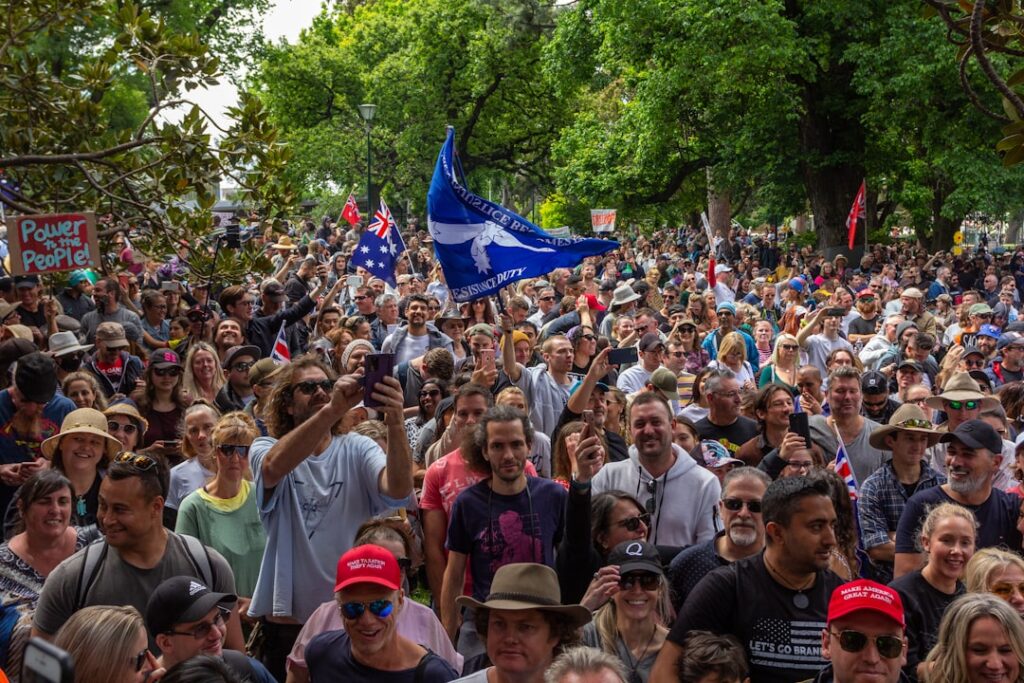
The largest gathering of conservative activists in the United States recently provided an unfiltered window into what motivates the Republican base and whether current political leadership resonates with their core concerns. Rather than relying on polling data or political analysts, Business News Wire examined the actual conversations happening among delegates, revealing the authentic priorities driving conservative political thought heading into a critical election cycle.
The responses from attendees paint a complex portrait of modern conservatism—one that extends far beyond simple talking points. These aren’t casual observers; they’re the activists, organizers, and engaged citizens who form the backbone of conservative political mobilization across the country.
Economic Concerns Dominate the Conversation
When pressed about their most pressing concerns, economic issues consistently topped the list among conservative participants. The sentiment reflected widespread anxiety about inflation, job security, and the overall direction of American economic policy. Many attendees expressed frustration with what they perceive as government overreach in economic regulation and spending.
The focus on fiscal responsibility represents a traditional conservative value that remains deeply ingrained in the movement’s DNA. Attendees articulated specific concerns about deficit spending, the national debt trajectory, and what they view as wasteful government programs. These aren’t abstract philosophical concerns—they translate directly into kitchen-table worries about purchasing power, employment prospects, and long-term financial security for American families.
Immigration Policy: A Defining Issue
Immigration emerged as another critical flashpoint during conversations with conservative delegates. The topic generated passionate responses, with participants expressing strong views about border security, enforcement mechanisms, and the pace of legal immigration policy.
The intensity surrounding immigration reflects how deeply this issue intersects with broader conservative concerns about national sovereignty, rule of law, and cultural cohesion. Rather than abstract policy debates, attendees framed their immigration concerns within narratives about protecting American jobs, ensuring public safety, and maintaining orderly legal processes. These perspectives reveal that for many conservatives, immigration policy represents far more than a single issue—it embodies fundamental questions about national identity and governance priorities.
Iran and Foreign Policy Direction
Foreign policy, particularly regarding Iran, represented a third major theme in conversations with conservative participants. Attendees demonstrated significant interest in how American leadership addresses Middle Eastern geopolitics and perceived threats to national security.
The concern about Iran specifically reflects conservative preferences for assertive foreign policy stances and skepticism toward diplomatic negotiations perceived as overly accommodating. Many participants expressed conviction that strong American military positioning and clear strategic communication serve as better deterrents than negotiated agreements. This worldview emphasizes American strength and resolve as prerequisites for global stability and national security.
Assessing Leadership Alignment
Throughout the conference, a central question persisted: Does current leadership adequately represent and advance the conservative agenda on these critical issues? The answer revealed nuanced support rather than uniform enthusiasm. While many participants expressed alignment with specific policy positions, others voiced concerns about execution, political capital, and the realistic pathway to implementing preferred policies.
This gap between ideological preferences and political reality represents a persistent tension within conservative politics. Attendees recognize that campaigns and governance involve compromise, strategic prioritization, and political feasibility. Yet many expressed frustration when policy outcomes diverge from electoral promises or when they perceive insufficient effort directed toward their priorities.
The Broader Conservative Movement
Beyond specific policy debates, the gathering reflected the conservative movement’s strength in grassroots organization and activist engagement. The sheer size and energy of the conference demonstrate that conservative political mobilization remains robust and well-funded.
However, the diversity of perspectives among attendees also suggests that conservative politics encompasses more internal debate than media caricatures often suggest. While participants share broad ideological commitments, they disagree on tactics, priorities, and how forcefully to push particular agendas. These internal conversations matter considerably for how conservative political power ultimately translates into actual policy outcomes.
Looking Forward
As the political landscape continues evolving, understanding what motivates conservative activists becomes increasingly important for political professionals across the spectrum. The voices heard at this gathering represent millions of Americans who will ultimately determine electoral outcomes through their participation, donations, and advocacy.
Whether current leadership successfully channels this conservative energy toward desired policy outcomes will significantly influence American politics in coming years. The moment demands leadership that not only shares conservative values but also demonstrates credible commitment to advancing them when in power.
This report is based on information originally published by BBC News. Business News Wire has independently summarized this content. Read the original article.