
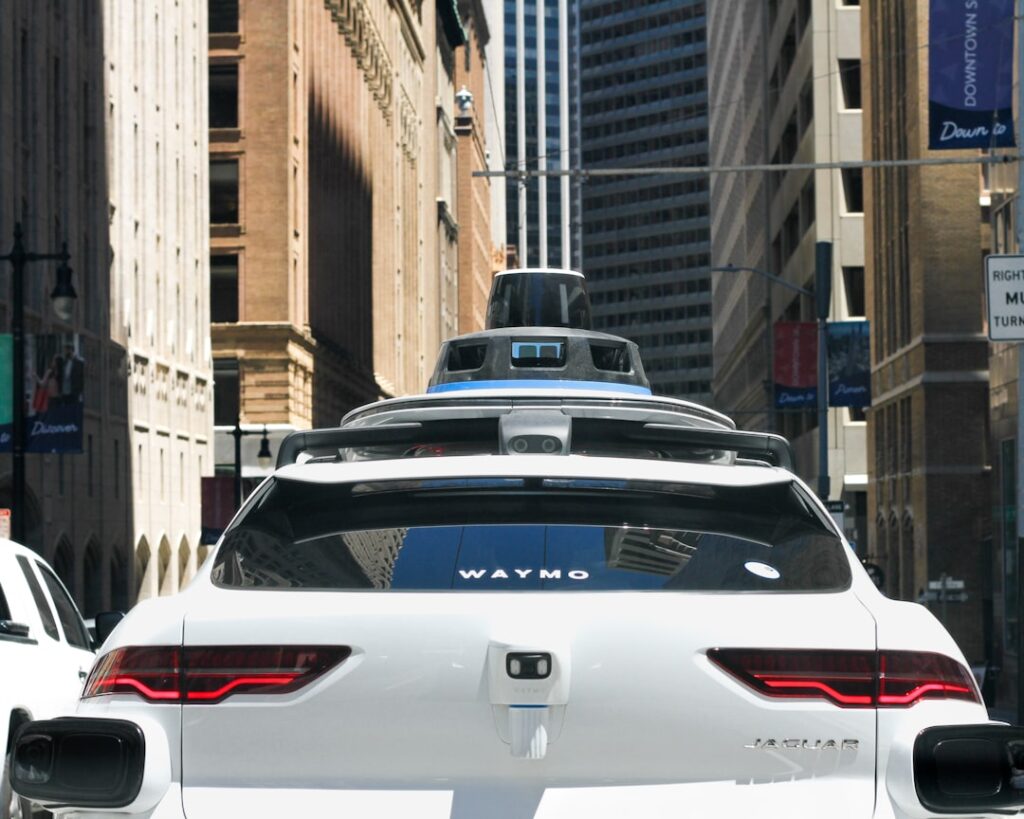
The Robotaxi Revolution Creates an Enforcement Puzzle
The rapid proliferation of autonomous vehicle services has introduced an unexpected wrinkle into the already complex machinery of traffic enforcement. As robotaxis navigate city streets with increasing frequency, police departments are discovering that their time-honored citation procedures were designed with a fundamentally different scenario in mind: a human driver sitting behind the wheel, legally accountable for their vehicle’s actions.
Welcome to the collision point between cutting-edge transportation technology and traditional legal frameworks. The rise of driverless vehicles operated by companies like Waymo, Cruise, and others has forced municipalities and law enforcement agencies to confront a deceptively simple question that has no easy answer: when a robotaxi commits a traffic violation, who exactly receives the ticket?
A Question Without an Answer
For over a century, traffic enforcement has operated on a straightforward principle: identify the operator of the vehicle, document their violation, and issue appropriate citations or penalties. This system assumes a human driver exists and bears responsibility for their vehicle’s actions on public roads. Robotaxis obliterate that assumption entirely.
Consider a common scenario: a robotaxi rolls through a red light, captured by traffic cameras or witnessed by an officer. Under current legal frameworks, the citation would typically be issued to the registered owner or operator of the vehicle. But when the vehicle has no human operator, the traditional enforcement mechanism breaks down completely. Should the ticket go to the company that owns the vehicle? The software developer responsible for the vehicle’s decision-making algorithms? The passenger who summoned the ride?
These aren’t theoretical questions anymore. They’re becoming practical problems that police departments must solve in real-time as autonomous vehicles increasingly share roads with traditional cars. Some departments have begun experimenting with different approaches, while others continue to operate in a kind of enforcement limbo, unsure of the proper procedure.
Companies Navigate Uncharted Territory
Robotaxi operators themselves are wrestling with these same questions. Some companies have established internal protocols for handling traffic violations, while others argue that the responsibility ultimately rests with municipalities and state regulators to clarify the legal landscape. The disagreement underscores just how unprepared the current system is for this transition.
Insurance questions add another layer of complexity. Traditional auto insurance policies assume a human operator and assign liability based on driver actions. Autonomous vehicles require fundamentally different insurance structures, with liability potentially flowing to manufacturers, software companies, or fleet operators depending on the circumstances surrounding any particular incident.
States Begin to Grapple with Solutions
A handful of states have begun drafting legislation to address these enforcement gaps. Some proposals suggest that robotaxi companies should bear direct responsibility for traffic violations committed by their vehicles, similar to how commercial fleet operators manage their vehicles. Others advocate for a system where violations are recorded and handled through administrative channels rather than traditional traffic citations.
California, where much of the robotaxi innovation is concentrated, has been particularly active in exploring regulatory frameworks. However, even as the state develops new rules, enforcement remains inconsistent, with different jurisdictions adopting their own ad-hoc procedures.
The Broader Implications for Autonomous Technology
This enforcement question represents just one aspect of a much larger challenge: integrating autonomous vehicles into existing legal and regulatory structures built for human operators. Traffic enforcement is merely the tip of the iceberg. Questions about liability in accidents, accountability for algorithmic decision-making, and the regulatory authority of various jurisdictions all remain unsettled.
The robotaxi ticketing problem illustrates why technology adoption often outpaces legal adaptation. Companies deploy vehicles before courts, legislators, and enforcement agencies have agreed on fundamental rules governing their operation. This creates friction and uncertainty that could ultimately slow adoption or create legal conflicts that damage public trust.
Looking Forward: Standards and Clarity Needed
Moving forward, industry experts broadly agree that clarity is essential. Whether through state legislation, municipal ordinances, or industry self-regulation, a coherent framework for handling autonomous vehicle violations would benefit everyone involved—law enforcement, robotaxi operators, and the public.
Some transportation experts advocate for a federal approach that would establish consistent standards across jurisdictions. Others believe local solutions are preferable, allowing communities to tailor enforcement approaches to their specific contexts and values.
Regardless of which approach prevails, one thing is certain: the days of simply handing a citation to a driver are finished. The future of traffic enforcement will require new procedures, new technologies, and new thinking about accountability in an age when nobody sits behind the wheel.
As robotaxis continue their expansion into more cities and states, finding answers to these questions won’t be optional—it will be essential to maintaining public safety and the integrity of the transportation system itself.
This report is based on information originally published by TechCrunch. Business News Wire has independently summarized this content. Read the original article.