
When Global Politics Hits Home: The Hidden Food Cost Crisis
British shoppers accustomed to predictable grocery bills may soon discover that Middle Eastern geopolitical tensions have a direct bearing on what they pay at the checkout. While headlines about regional conflict typically focus on international relations and military posturing, the real story for UK households lies in something far more immediate: the price of everyday essentials. From the fizzy drinks we casually grab on lunch breaks to the fresh salads gracing our dinner tables and the meat products we depend on for protein, a cascade of supply chain vulnerabilities threatens to disrupt the affordable abundance we’ve come to expect.
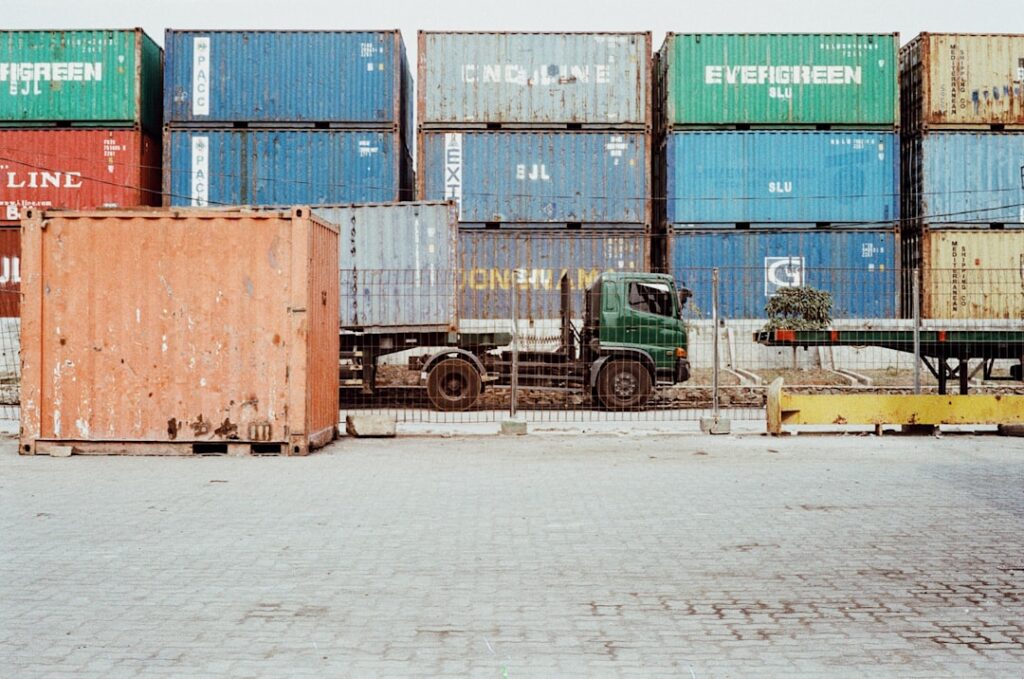
The connection between distant regional disputes and domestic food prices isn’t immediately obvious to most consumers, yet it’s remarkably straightforward once you trace the logistics. Global supply chains have become so interconnected that disruptions in one corner of the world create immediate consequences elsewhere. The Gulf region, in particular, serves as a critical corridor for international trade, with shipping lanes carrying billions of pounds worth of goods annually. When tensions escalate in this strategically vital area, shipping companies often reroute vessels, increase insurance costs, and navigate around potential conflict zones—all factors that translate into higher expenses for importers and ultimately, for the people buying groceries.
The Beverage Industry’s Vulnerability
The fizzy drinks sector stands as a particularly vulnerable point in Britain’s food supply network. Many of the ingredients and components used in soft drink manufacturing either originate from the Middle East region or transit through it. Additionally, several major beverage manufacturers source specialized packaging materials and additives from suppliers located within or near conflict zones. When shipping routes become uncertain or riskier, the costs associated with these imported components inevitably increase. Beverage companies, already operating on competitive margins, often have little choice but to pass these additional expenses to retailers and consumers.
Fresh Produce Under Pressure
The situation becomes even more complex when examining the fresh produce supply chains that feed British households. While the UK produces significant quantities of salad vegetables and other fresh produce domestically, the country remains heavily dependent on imports for certain items, particularly during winter months. Many of these imports travel through or originate from regions affected by Middle Eastern developments. Transportation costs spike during periods of heightened regional tension, directly impacting the price of everything from lettuce and tomatoes to cucumbers and peppers.
Meat Markets Face Escalating Pressures
The meat industry confronts its own set of challenges stemming from potential Gulf conflicts. Feed additives, specialized equipment, and animal health products utilized by UK producers often source from international suppliers. Moreover, shipping costs for meat exports—an important revenue stream for British farmers—increase substantially when vessels must navigate longer routes or pay additional insurance premiums. Domestic producers absorb these costs or reduce production, both scenarios ultimately leading to higher prices for consumers seeking beef, pork, and poultry.
Understanding the Multiplier Effect
Perhaps most concerning is the multiplier effect that accompanies any major disruption to international shipping and trade logistics. A five percent increase in transportation costs doesn’t simply equal a five percent increase in shelf prices. Storage costs, administrative overhead, and profit margins all compound the initial increase. A beverage manufacturer importing ingredients might see their costs rise by a modest percentage, but this translates into a noticeably larger price bump by the time products reach supermarket shelves.
What This Means for Your Shopping Bill
For the average British household managing grocery budgets that are already stretched by previous inflationary pressures, the prospect of geopolitical conflicts driving food costs higher represents a frustrating reality. These aren’t price increases driven by seasonal variation or even typical market competition—they’re externalities imposed by circumstances entirely beyond consumer control. Yet understanding these connections empowers shoppers to anticipate potential price movements and make informed purchasing decisions.
The takeaway is clear: in an interconnected global economy, events happening thousands of miles away have tangible, measurable consequences for household budgets. Whether it’s the bubbles in your soft drink, the leaves in your salad, or the meat on your plate, supply chain resilience remains fragile when geopolitical stability is in question.
This report is based on information originally published by BBC News. Business News Wire has independently summarized this content. Read the original article.