
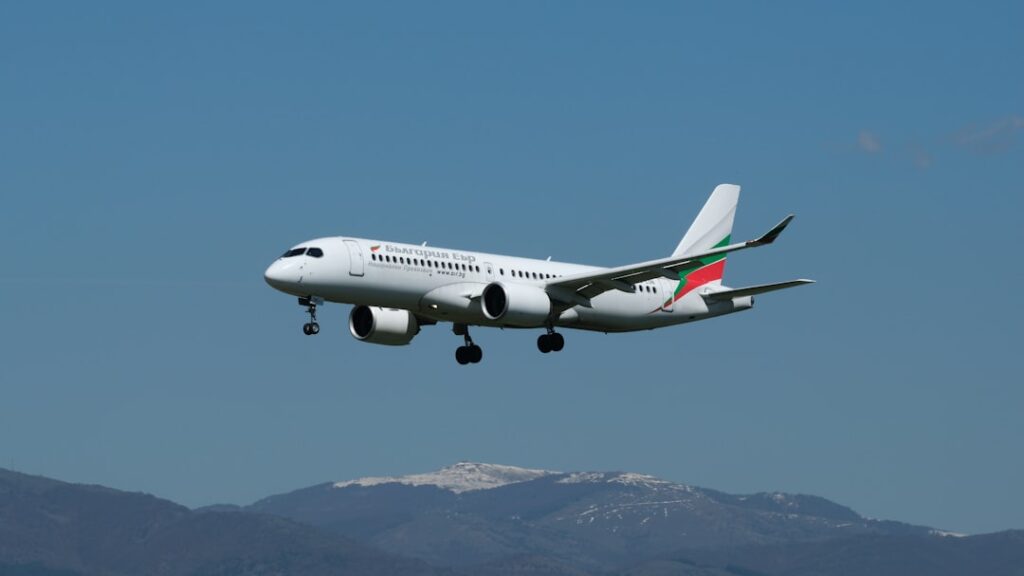
AirAsia’s Mega-Order Signals Strong Recovery for Belfast Aerospace Hub
In a significant boost for Northern Ireland’s manufacturing landscape, Malaysian low-cost carrier AirAsia has committed to a $19 billion purchase order for 120 Airbus A220 aircraft. The deal represents one of the largest commercial aviation orders in recent memory, and it carries particular importance for the Belfast facility where the aircraft’s wings are manufactured.
This substantial commitment from AirAsia serves as a powerful validation of both the A220’s competitive positioning in the narrow-body market and the critical role that Belfast’s aerospace cluster plays within Airbus’s global supply chain. For a region that has weathered considerable economic challenges over the decades, the order arrival carries implications that extend far beyond a single contract value.
Why the A220 Matters for Belfast
The Airbus A220, a relatively newer entrant to the commercial aircraft market, has quietly become one of the most sought-after jetliners for carriers seeking fuel efficiency and passenger comfort in the sub-150 seat category. The aircraft’s wings—manufactured in Belfast—represent a critical component that directly influences the plane’s aerodynamic performance and operational efficiency.
AirAsia’s decision to order such a substantial fleet of A220s reflects the airline’s strategic pivot toward modern, fuel-efficient aircraft that can maximize profitability on regional and medium-haul routes. For the Malaysian carrier, which operates one of Asia’s most extensive low-cost networks, the A220’s advanced avionics, lighter weight construction, and lower fuel consumption make it an economically compelling choice.
Implications for Belfast’s Manufacturing Workforce
The order’s size and scope translate directly into sustained demand for skilled workers at the Belfast facility. Aircraft wing manufacturing is highly specialized work, requiring precision engineering, advanced composites expertise, and quality control capabilities that take years to develop. The AirAsia order, combined with ongoing commitments from other customers, ensures that the Belfast operation will maintain robust production schedules for the foreseeable future.
Northern Ireland has developed a reputation as a center of aerospace excellence, attracting talent and investment that has gradually transformed the regional economy. The skilled workforce that has emerged within the aerospace sector represents a significant competitive advantage that extends beyond any single contract—it creates a self-reinforcing cycle of expertise, innovation, and economic opportunity.
The Broader Context of Aircraft Manufacturing Demand
AirAsia’s decision arrives amid broader industry trends suggesting that commercial aviation demand will remain robust for years to come. Post-pandemic travel recovery has accelerated faster than many industry analysts initially predicted, creating urgent demand for new aircraft that can replace aging fleets and accommodate expanding route networks.
For Airbus, orders like AirAsia’s contribute to a growing backlog that increasingly reflects genuine market confidence rather than speculative purchasing. The European aerospace giant has worked systematically to position the A220 as the technology leader in its category, emphasizing fuel economy, passenger comfort features, and operational flexibility that appeal directly to cost-conscious operators like AirAsia.
Economic Ripple Effects Beyond the Factory Floor
The true economic impact of a $19 billion order extends well beyond direct employment at the manufacturing facility. Supply chain partners, logistics providers, engineering services, and countless ancillary businesses benefit from the activity that such a large order generates. Belfast’s aerospace ecosystem includes numerous companies that supply components, services, and expertise to the primary manufacturers.
Additionally, sustained manufacturing success at the Belfast facility strengthens the region’s tax base, supports local communities, and provides the kind of stable, high-wage employment that has historically anchored regional economies. The visibility and credibility that comes from being selected as a critical manufacturing partner for globally distributed aircraft also attracts additional investment and business development opportunities.
Looking Forward: Sustaining Momentum
While the AirAsia order represents a major milestone, maintaining competitiveness in aerospace manufacturing requires continuous investment in capabilities, workforce development, and innovation. The Belfast facility’s future depends not only on current orders but on its ability to adapt to evolving technologies, including the eventual transition toward more sustainable aviation fuels and electric propulsion systems.
The order from AirAsia demonstrates that Northern Ireland’s aerospace manufacturing sector has earned its place at the center of global aircraft production. As commercial aviation continues its recovery and evolution, Belfast’s proven capabilities in wing manufacturing position the region favorably for continued growth and investment in the decade ahead.
This report is based on information originally published by BBC News. Business News Wire has independently summarized this content. Read the original article.