
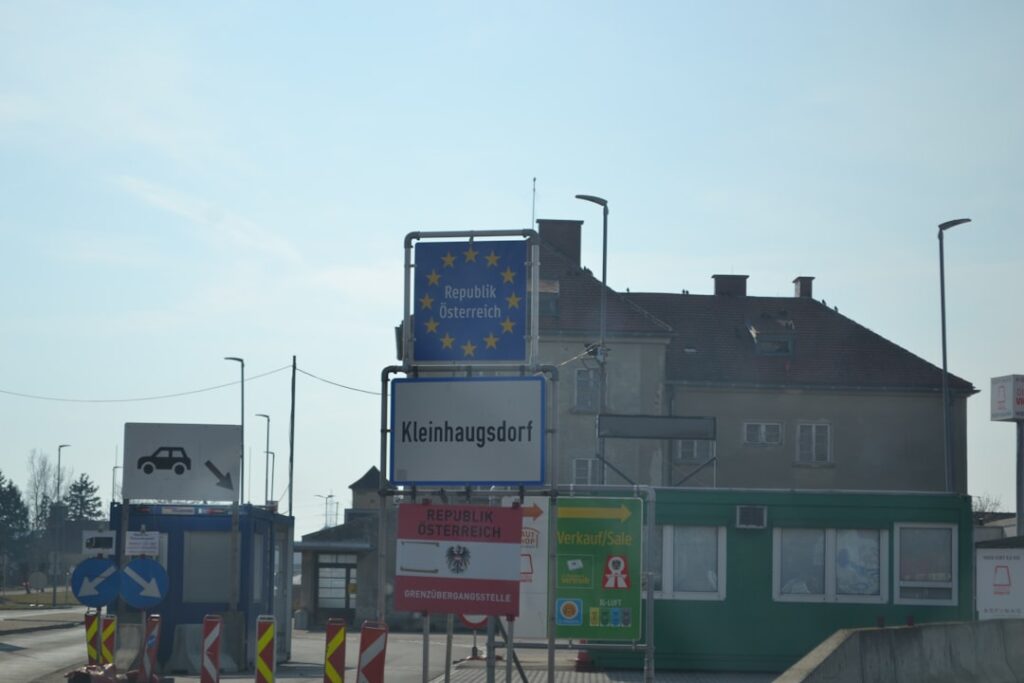
Southern Europe’s Divergent Approach to British Border Security
The travel landscape for British citizens crossing into Southern Europe just became considerably more complicated. While earlier reports had suggested that Portugal and Italy might follow Greece’s lead in effectively suspending biometric checks for UK nationals, both countries have now firmly rejected that path. This decision underscores growing tensions around how European Union member states are implementing post-Brexit travel protocols and highlights the fragmented nature of Europe’s response to managing British citizens at its borders.
The decision carries significant implications for travelers and the tourism industry alike. British visitors accustomed to streamlined border crossings through EU nations will need to prepare for more rigorous digital verification procedures when entering Portugal and Italy. For these countries’ thriving tourism sectors—which depend heavily on British visitors—the stricter stance represents a calculated trade-off between security protocols and commercial convenience.
Greece Sets a Controversial Precedent
Greece’s recent decision to effectively suspend biometric checks for British nationals had raised eyebrows across the European Union. By quietly downplaying digital verification requirements, Greece created an expectation that other Mediterranean destinations might follow suit. The move appeared to prioritize economic interests—namely keeping tourism pipelines flowing—over strict adherence to EU border regulations.
However, that precedent failed to gain traction in Iberian and Italian capitals. Portugal and Italy’s rejection of this approach suggests a more principled stance on border management, or perhaps a calculation that the economic benefits don’t justify bending security rules. The contrast between Athens and Lisbon, between Rome and Athens, reveals the considerable autonomy individual EU member states maintain over their own border protocols, even in an era of supposedly unified European governance.
The Post-Brexit Border Reality
Britain’s departure from the European Union fundamentally altered the mechanics of travel between the UK and the continent. No longer covered by EU freedom of movement agreements, British citizens now occupy an ambiguous status—neither EU residents nor holders of specialized visa arrangements in most cases. This has forced EU nations to develop their own frameworks for processing British arrivals.
The biometric checks in question stem from the EU Entry/Exit System (EES), a digital monitoring mechanism designed to track third-country nationals entering and exiting the Schengen Area. For EU states like Portugal and Italy, implementing these checks rigorously represents compliance with broader European security infrastructure. By maintaining strict digital verification procedures, these countries position themselves as serious about security protocols, even if it means occasional friction with visitors.
Economic Considerations vs. Security Priorities
The decision by Portugal and Italy to maintain strict digital border checks despite potential economic consequences reveals how seriously these nations view security frameworks. Tourism from the United Kingdom represents a substantial revenue stream for both countries, particularly in coastal regions and historic city centers. Visitors from Britain fill hotels, restaurants, and attractions from Lisbon to Rome.
Yet Portugal and Italy apparently concluded that maintaining consistent border security protocols matters more than maximizing short-term tourism flexibility. This suggests confidence in their ability to attract British visitors despite the additional border friction, or perhaps recognition that compromising on security standards could invite criticism from Brussels and other EU member states watching closely for inconsistent implementation of travel regulations.
What This Means for British Travelers
For anyone planning trips to Portugal or Italy, the message is clear: expect thorough digital verification processes at borders. Travelers should ensure their biometric data is up-to-date and prepare for potentially longer processing times during peak travel periods. Unlike the smoother experience available in Greece, British visitors to the Iberian Peninsula and Italy will encounter the full digital apparatus of post-Brexit border management.
Travel companies and tourism boards in Portugal and Italy will need to communicate this reality clearly to potential British visitors. Rather than presenting stricter checks as an obstacle, savvy tourism marketing could frame them as evidence of serious security standards that protect all travelers, including British citizens. This reframing might actually enhance confidence in these destinations among security-conscious visitors.
The Broader European Picture
Portugal and Italy’s decision fits into a larger pattern of how EU member states are navigating post-Brexit realities. Some nations prioritize economic relationships and practical tourism considerations, while others emphasize regulatory compliance and security consistency. Neither approach is inherently wrong, but the divergence illustrates why unified European policy implementation remains challenging even within supposedly integrated governance structures.
As Britain and the EU continue refining their relationship, decisions like these will accumulate, gradually shaping the actual experience of cross-border travel. Portugal and Italy have made their choice, signaling that security and regulatory consistency matter more than temporary tourism convenience. Whether other EU member states ultimately follow their example or Greece’s approach remains to be seen, but the landscape for British travelers across Europe will likely become increasingly fragmented unless more coordinated policy frameworks emerge.
This report is based on information originally published by BBC News. Business News Wire has independently summarized this content. Read the original article.