
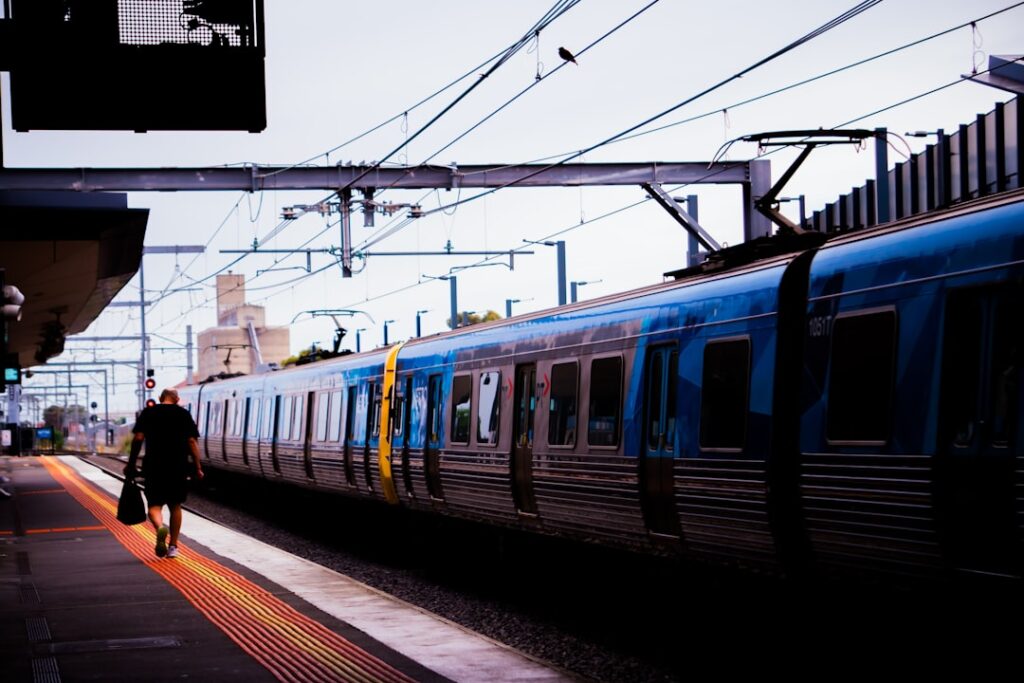
Technical Resolution Offers Limited Relief to Stranded Commuters
The transportation chaos engulfing Southern England’s rail infrastructure took a technical step toward resolution today, yet commuters should brace themselves for continued frustration. While engineers have successfully repaired the radio fault that triggered the cascade of service disruptions, National Rail officials made clear that passengers cannot expect an immediate return to normal operations.
The distinction between fixing a technical problem and restoring full service capacity reveals a fundamental reality of modern rail operations: infrastructure repairs don’t automatically translate to seamless passenger experiences. The residual effects of this morning’s outage will reverberate through the rail network for hours to come, leaving thousands of travelers scrambling to adjust their plans.
Understanding the Ripple Effect of Rail Disruptions
When critical communication systems fail on a railway network, the consequences extend far beyond the immediate technical failure. Today’s radio fault demonstrates how a single point of failure can paralyze an entire region’s transportation system. The radio infrastructure forms the backbone of modern rail operations, enabling train operators to communicate with signaling centers, coordinate movements across multiple lines, and respond to emergencies in real time.
Once such systems go offline, even temporarily, the recovery process demands meticulous coordination. Trains backed up along various routes must be carefully repositioned. Service schedules that were disrupted need to be gradually restored in a logical sequence. Passenger loads that accumulated at stations must be processed through the system in manageable waves. Each of these processes takes time, even after the underlying technical problem has been solved.
National Rail’s Cautious Outlook for the Evening Commute
National Rail’s measured warning to passengers reflects the professional reality that network managers face when recovering from major incidents. By cautioning commuters to expect continued delays through the end of the business day, the authority essentially acknowledges that the recovery period will stretch significantly beyond the moment the radio systems came back online.
This extended timeline frustrates both passengers and operators alike. Business travelers with critical meetings, workers dependent on reliable commute windows, and families eager to get home all find themselves trapped in a system still working through the consequences of earlier failures. The domino effect of transportation disruption ripples outward, affecting workplace productivity, school pickup schedules, and evening plans across the entire region.
Lessons From Network Vulnerability
Today’s incident reinforces uncomfortable truths about critical infrastructure. Modern rail networks, despite their sophisticated technology, remain vulnerable to single points of failure. The radio communication system, essential as it is, apparently lacked sufficient redundancy to prevent a total network collapse when problems arose.
For passengers navigating Southern England’s rail system, the experience underscores the importance of building flexibility into travel plans when possible. For rail operators and policymakers, it raises persistent questions about infrastructure investment and system resilience. How much redundancy is necessary? At what point does the cost of additional backup systems become justified by the prevention of incidents like today’s?
What Passengers Should Expect Moving Forward
Commuters attempting to navigate Southern England’s railways today should mentally prepare for a degraded service environment persisting through evening hours. Rather than experiencing a sharp return to normalcy once technical repairs complete, expect gradual improvements as the system systematically works through backlogged demand.
Patience becomes the operative virtue. Delays measured in minutes may persist as trains work through their accumulated schedules. Station platforms may remain crowded as the network processes backed-up passenger loads. Alternative transportation options, where available, might prove less frustrating than waiting for rail service to stabilize.
National Rail’s transparent communication about continued disruptions, while frustrating to passengers, provides valuable information for making informed decisions about the day’s travel plans. This honesty, though it brings unwelcome news, allows commuters to adjust expectations and make contingency arrangements rather than discovering extended delays only upon arriving at the station.
The broader takeaway from today’s Southern England rail disruption extends beyond immediate inconvenience. It highlights the delicate balance between infrastructure reliability and system vulnerability in modern transportation networks, a lesson that resonates far beyond a single region’s rail operations.
This report is based on information originally published by BBC News. Business News Wire has independently summarized this content. Read the original article.