
Beyond the Boardroom: Why Corporate Outings Matter More Than Ever
In an era where remote work dominates and in-person interaction feels increasingly precious, thoughtfully designed corporate outings have become essential investments in organizational health. Gone are the days when companies could rely on stale team-building exercises and generic trust falls to foster genuine workplace connections. Today’s most successful organizations recognize that meaningful experiences—the kind that challenge employees, inspire creativity, and create shared memories—deliver far greater returns on the investment than any mandatory happy hour ever could.
The modern corporate outing serves a dual purpose: it provides a necessary mental break from daily routines while simultaneously strengthening the interpersonal bonds that make teams function at their highest levels. When employees engage in novel, challenging, or creative experiences together, something remarkable happens. Barriers lower. Communication improves. People see their colleagues in new contexts, discovering capabilities and perspectives that cubicle life obscures. This article explores five distinctive outing concepts that accomplish exactly that—activities designed not just to entertain, but to meaningfully enhance team dynamics, morale, and organizational culture.
The Escape Room Revolution: Teamwork Under Pressure
Escape rooms have transcended novelty status to become legitimate team-building powerhouses, particularly for organizations seeking to evaluate and strengthen their collaborative problem-solving abilities. These immersive experiences place teams in carefully constructed scenarios where success depends entirely on effective communication, creative thinking, and distributed problem-solving—precisely the skills that separate high-performing teams from mediocre ones.
What makes escape rooms particularly valuable as corporate outings is their ability to surface natural team dynamics in real time. You quickly discover who takes charge under pressure, who excels at lateral thinking, who communicates clearly in stressful situations, and who supports others when frustration builds. These insights, organically gained through gameplay rather than artificial assessment, often prove more valuable than formal team assessments.
The modular nature of escape room experiences makes them remarkably scalable. Small teams of five or six can tackle a single room, while larger departments can compete across multiple themed challenges simultaneously, creating friendly competition that energizes rather than divides. Companies can even customize scenarios around industry-specific challenges or corporate values, ensuring the experience feels relevant rather than like a generic team-building checkbox exercise.
The post-experience debrief provides another crucial benefit. Teams naturally discuss their strategies, celebrate problem-solving breakthroughs, and laugh about moments of collective confusion. These conversations, conducted in a relaxed atmosphere outside the office, often reveal communication patterns and leadership dynamics that formal meetings never expose.
Culinary Competitions: Creativity Meets Collaboration
Culinary team-building activities deserve special attention because they accomplish something unique: they combine physical creativity with strategic planning, individual skill development with collective goal achievement. Whether your team participates in a structured cooking competition or an informal mixology workshop, food-focused outings generate genuine engagement and produce tangible, delicious results.
In a competitive cooking format, teams receive identical ingredients and a time limit, then must coordinate to produce a dish that demonstrates both creativity and technical competence. The pressure cooker environment (pun intended) reveals how teams prioritize, delegate, and adapt when initial plans go awry. Someone becomes the strategist. Someone else handles precision tasks. A third person manages timing. These natural divisions of labor mirror workplace dynamics, providing valuable insights into optimal team composition for various projects.
Mixology workshops offer a slightly different flavor—literally and figuratively. Participants learn professional bartending techniques while discovering the science and artistry behind cocktail creation. These activities work particularly well for teams that include diverse skill levels and experience, as the learning environment feels supportive rather than competitive. By the end, everyone leaves with both new knowledge and the satisfying experience of having created something they can actually consume and enjoy.
The informal networking that naturally occurs during culinary activities shouldn’t be underestimated. People bond while chopping vegetables, taste-test together, and celebrate successful dishes. These moments of casual interaction often prove more relationship-building than structured networking events.
Outdoor Adventures: Building Bonds in Natural Settings
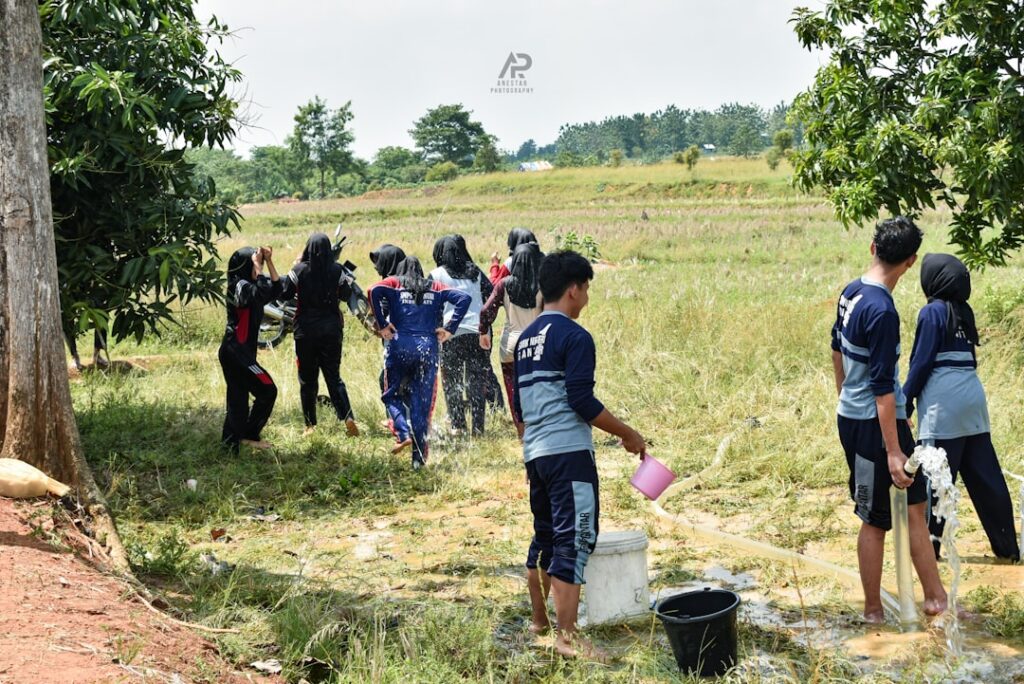
Physical activity in natural environments activates something primal in human bonding. When teams engage in outdoor adventures—whether hiking challenging trails, navigating ropes courses, or paddling together—they create shared experiences of achievement that strengthen relationships more effectively than conversation alone.
Outdoor team-building activities offer multiple benefits simultaneously. They promote physical wellness, which improves overall employee health and energy levels. They provide complete mental breaks from screens and meetings. They create natural opportunities for conversation and connection. And they generate genuine stories worth retelling—shared hardships and triumphs that become part of team lore.
The key to successful outdoor outings lies in thoughtful activity selection. Choose challenges that feel genuinely meaningful but achievable for diverse fitness levels. A hiking expedition up a challenging but doable peak works better than activities that inadvertently separate capable athletes from less experienced participants. Similarly, ropes course activities that offer multiple difficulty levels ensure everyone can participate at their own level without feeling inadequate.
Creative Workshops: Unlocking Artistic Expression
Creative workshops—pottery classes, candle-making, painting sessions, or jewelry crafting—serve a distinct purpose in corporate team-building. They create low-pressure environments where people relax, engage different parts of their brains, and simply spend enjoyable time together without competitive pressure or performance anxiety.
These experiences prove particularly valuable for teams that deal with high-pressure environments or intense deadline-driven work. The meditative, tactile nature of creative activities provides genuine stress relief while fostering the kind of informal conversation that deepens relationships. You’re not worried about your pottery wheel creation’s perfection; you’re focused on enjoying the process while chatting with colleagues in a relaxed atmosphere.
Creative workshops also democratize ability and experience in ways that competitive activities cannot. Everyone produces something, and everyone’s creation is equally valid. This egalitarian approach works wonderfully for teams with diverse personalities and skill sets, as it celebrates creation itself rather than excellence or speed.
Community Service: Purpose-Driven Team Building
Perhaps the most meaningful category of corporate outings involves community service projects—activities that benefit others while strengthening team bonds. Whether volunteering at food banks, building homes with organizations like Habitat for Humanity, or mentoring youth programs, community-focused outings add a dimension that purely entertainment-based activities lack: genuine purpose.
Teams working toward objectives larger than themselves experience something powerful. The collaboration serves a meaningful purpose. The shared values become explicit. Employees discover that their organization genuinely cares about making positive community impact, not just revenue generation. This shifts how employees perceive their workplace and their role within it.
Community service outings also generate pride and positive sentiment that extends far beyond the event itself. Employees often continue volunteer efforts independently, and the goodwill extends to the broader community, enhancing organizational reputation while improving team morale.
Selecting the Right Outing for Your Unique Team
The most effective corporate outings aren’t chosen from generic templates—they’re selected specifically to address your team’s particular needs, preferences, and goals. Ask yourself: Are you seeking to improve communication and problem-solving? Escape rooms excel here. Do you want to celebrate and relax together? Creative workshops or culinary activities work best. Are you trying to boost physical wellness while strengthening bonds? Outdoor adventures deliver. Do you want to build shared purpose and pride? Community service projects provide unmatched impact.
Consider your team composition, budget constraints, and accessibility requirements. Ensure activities accommodate various fitness levels, physical abilities, and comfort zones. The most successful outings don’t pressure anyone into uncomfortable situations; instead, they create genuine opportunities for positive connection.
Finally, don’t underestimate the power of follow-up. The conversation about the outing—shared jokes, photos, and reflections—extends the experience’s value significantly. Some organizations create photo galleries, share team stories in company communications, or reference the experience during future team discussions. These follow-ups reinforce the team-building investment and create lasting cultural impact.
Corporate outings, when thoughtfully designed and intentionally executed, transform from obligations into genuine highlights of the work year. They remind employees why they value their colleagues, demonstrate organizational investment in their wellbeing, and create the kinds of authentic connections that ultimately improve productivity, reduce turnover, and build genuinely strong teams.
This report is based on information originally published by Small Business Trends. Business News Wire has independently summarized this content. Read the original article.