
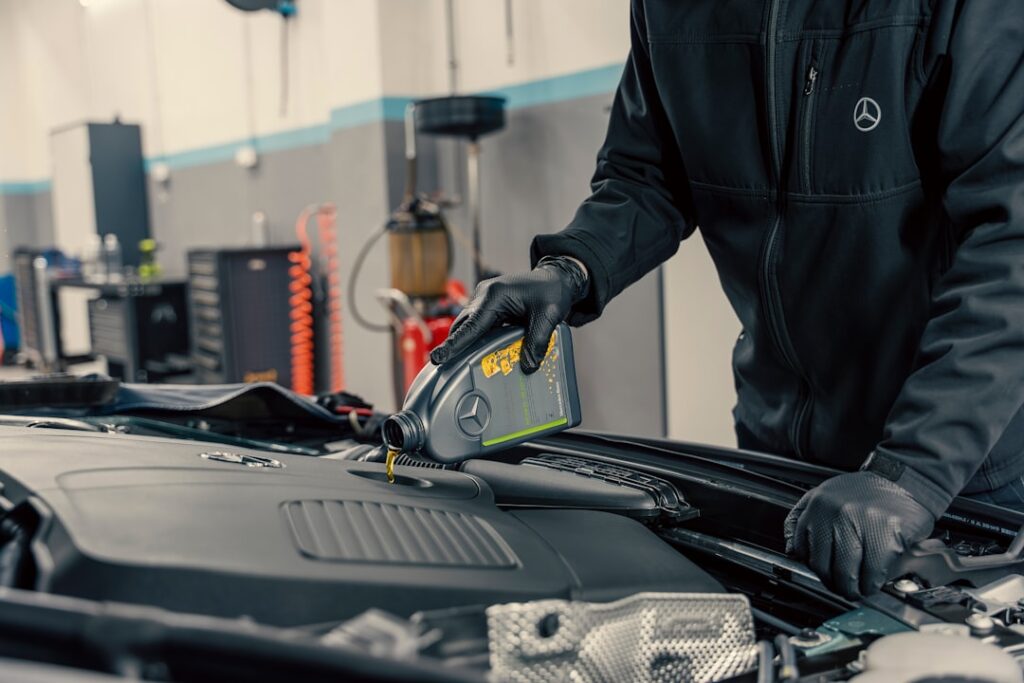
The Essential Question Every Driver Needs Answered
Walk into any automotive forum, and you’ll find heated debates about one of the most fundamental vehicle maintenance questions: How often should you really change your oil? The answer matters more than most drivers realize. Whether you’re commuting through Pennsylvania’s winding roads or navigating city streets, understanding your oil change schedule could mean the difference between a vehicle that runs reliably for years and one that faces costly repairs down the road.
HelloNation, a comprehensive resource for vehicle maintenance and care, has tackled this question head-on by bringing together industry expertise to provide drivers with practical, actionable guidance. The initiative features insights from brake repair expert Jason Stem, who brings a mechanic’s perspective to one of automotive ownership’s most fundamental maintenance decisions.
Understanding Modern Oil Change Intervals
Gone are the days when “every 3,000 miles” was the universal mantra for oil changes. Modern vehicles have evolved dramatically, and with them, the science of oil maintenance has transformed. Today’s engines, synthetic oils, and advanced filtration systems have extended recommended intervals considerably, leaving many drivers confused about what applies to their specific vehicle.
The relationship between oil quality, engine design, and maintenance intervals is more nuanced than ever. Synthetic oils can maintain their protective properties far longer than conventional oils, allowing manufacturers to recommend longer intervals for newer vehicles. However, this doesn’t mean all drivers can follow the same schedule. Driving habits, climate conditions, and vehicle age all factor into determining the optimal timing for your next oil change.
How Driving Habits Impact Your Maintenance Schedule
Your driving pattern tells an important story about your oil change needs. Are you primarily highway driving, where your engine maintains consistent speeds and temperatures? Or do you spend your days doing short city trips with frequent starts and stops? These distinctions matter tremendously.
Severe driving conditions—such as frequent idling, towing, driving in dusty environments, or consistently short trips—can significantly reduce oil effectiveness. When your engine doesn’t reach optimal operating temperature, moisture and contaminants accumulate in the oil faster than they would under normal conditions. This reality means that drivers with demanding lifestyles may need more frequent oil changes than their vehicle’s manual suggests, regardless of modern synthetic formulations.
The Consequences of Neglecting Oil Changes
Procrastinating on oil changes might seem like a minor economy, but the consequences ripple throughout your entire engine. Oil serves multiple critical functions: it lubricates moving parts, removes contaminants, dissipates heat, and protects against corrosion. When oil becomes degraded or depleted, all these functions deteriorate simultaneously.
Delaying an oil change beyond recommended intervals allows contaminants to accumulate, sludge to build up, and protective additives to break down. This creates a cascade of problems. Engine wear accelerates, friction increases, and heat management suffers. Over time, neglected oil changes can lead to premature engine wear, reduced fuel efficiency, increased emissions, and ultimately, complete engine failure—a repair bill that dwarfs the cost of regular maintenance.
Expert Guidance on Maintenance and Reliability
According to the insights shared through HelloNation’s initiative, proper oil maintenance represents one of the highest-return investments any vehicle owner can make. Jason Stem’s expertise in brake repair and overall vehicle maintenance underscores a broader principle: preventive maintenance across all vehicle systems creates a synergistic effect on reliability.
When you maintain your oil diligently, you’re not just protecting your engine—you’re supporting every system that depends on that engine. Your transmission runs cooler, your alternator works more efficiently, and your overall vehicle reliability improves measurably. This is why experienced technicians emphasize that oil changes aren’t just routine maintenance; they’re foundational to vehicle longevity.
Finding Your Personal Oil Change Schedule
The key to optimal oil maintenance lies in personalization. Start by consulting your vehicle’s owner manual for manufacturer recommendations. Then, honestly assess your driving conditions. Do you frequently tow? Drive in stop-and-go traffic? Operate in extremely hot or cold climates? Do you take frequent short trips?
If your driving conditions are severe, you might need to change oil more frequently than the manual suggests. Conversely, if you primarily drive on highways and maintain steady speeds, you might be able to stretch intervals closer to the manufacturer’s maximum recommendation. The sweet spot for most drivers typically falls somewhere between 5,000 and 7,500 miles for conventional oil, or 7,500 to 10,000 miles for synthetic oil.
Making the Right Choice for Your Vehicle
Ultimately, the decision about oil change frequency shouldn’t be based on marketing claims or casual advice from friends. Instead, it should emerge from a thoughtful analysis of your specific situation: your vehicle type, your driving patterns, your local climate, and your long-term ownership goals.
By staying informed about the relationship between oil quality, driving habits, and engine performance, you empower yourself to make maintenance decisions that protect your investment. Regular oil changes, scheduled thoughtfully and executed consistently, represent one of the simplest and most effective ways to ensure your vehicle serves you reliably for years to come.
This report is based on information originally published by All News Releases. Business News Wire has independently summarized this content. Read the original article.