
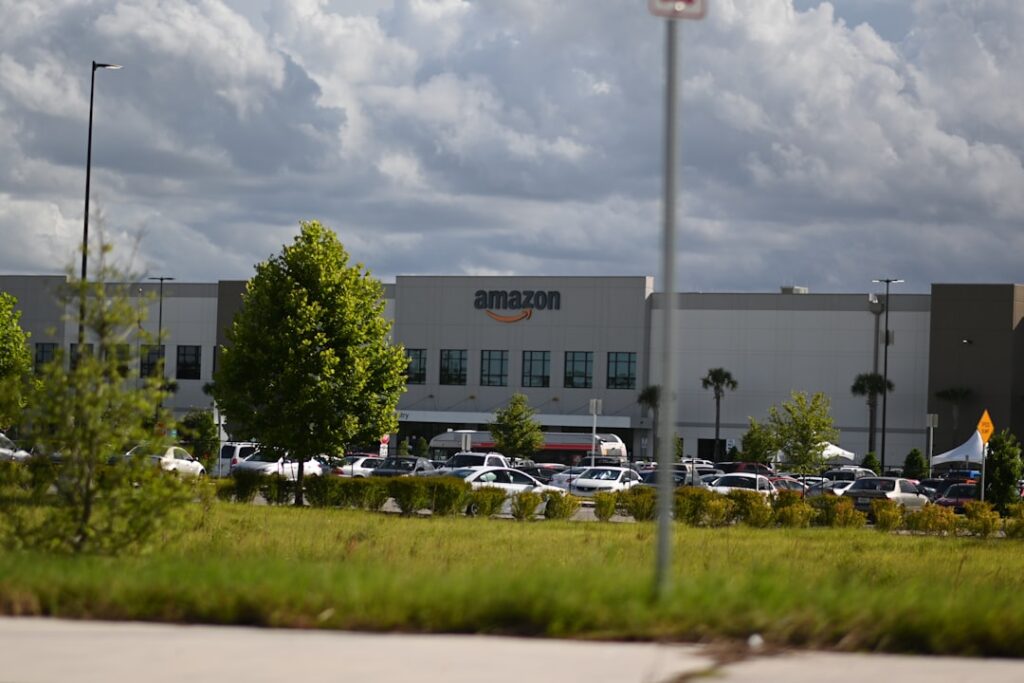
The Tale of Two Runways: Luxury and Labor
The evening of fashion’s most prestigious gathering told two distinctly different stories. While one narrative unfolded in the hallowed halls of the Metropolitan Museum of Art, complete with red carpet glamour and multi-million-dollar gowns, another was written on the streets by those whose labor helps fund such opulence. The contrast proved impossible to ignore—and impossible to dismiss as mere coincidence.
Jeff Bezos and his fiancée, Lauren Sánchez, stood poised to assume prominent roles as sponsors and honorary chairs of the Met Gala, the annual fundraising extravaganza supporting the museum’s prestigious Costume Institute. The couple’s participation represented the pinnacle of philanthropic prestige, a seal of approval stamped by America’s cultural elite. Yet this celebration of art, fashion, and charitable giving would not go uncontested.
When Workers Become the Statement
As Manhattan’s fashion cognoscenti prepared for an evening of sartorial excellence, Amazon workers were orchestrating their own powerful fashion statement—one that spoke volumes about equity, compensation, and workplace dignity. These individuals, whose contributions to the economy are frequently overlooked in favor of billionaire entrepreneurship narratives, decided their moment had come to be heard.
The timing was deliberate and unavoidable. The workers chose to position their protest directly across from the glittering spectacle, ensuring that the disconnect between executive wealth accumulation and worker compensation could not be swept aside or compartmentalized. This was not a distant labor dispute relegated to warehouse floors; it was positioned at the literal crossroads of billionaire celebration.
The Uncomfortable Questions Behind the Glamour
The juxtaposition raised uncomfortable but necessary questions about wealth distribution, corporate responsibility, and the true cost of convenience culture. When one individual’s net worth exceeds the GDP of many nations, and that same individual serves as a major patron of cultural institutions, the narrative becomes increasingly complicated. How much of the museum’s funding derives directly or indirectly from labor practices that workers consider exploitative?
Bezos built Amazon into a global powerhouse partly through innovations in warehouse automation and logistics efficiency. These same efficiencies, critics argue, have come at a measurable human cost. Workers have long reported grueling shifts, intense productivity quotas, and compensation packages they describe as inadequate relative to the company’s astronomical valuation and profits.
Philanthropy in the Spotlight
The Met Gala typically celebrates the intersection of fashion, art, and elite philanthropy. Sponsors and honorary chairs receive recognition as cultural stewards and patrons of the arts. Yet this year’s event became a case study in the complications of billionaire-backed charity. Can someone simultaneously receive accolades for cultural patronage while facing significant criticism regarding labor practices within their empire?
The workers’ counter-demonstration suggested that many believe the answer is no—or at least, not without challenge. They positioned themselves as a living counterargument to the narrative of benevolent billionaire philanthropy. Their presence reframed the entire evening: Was this truly a celebration of artistic achievement, or was it a celebration of a system that concentrates wealth to such an extraordinary degree that only billionaires can fund major cultural institutions?
A System Demanding Examination
The contrast between the two events highlighted a broader societal tension. Modern capitalism has created unprecedented wealth concentration at the top, and this wealth necessarily flows through philanthropic channels to support cultural and educational institutions. Museums, universities, and arts organizations increasingly depend on billionaire largesse. Yet this dependency creates a complex moral calculus: accepting funding from individuals whose business practices you might ethically question.
For Amazon workers, the protest represented an attempt to disrupt this narrative, to insert themselves into a story typically told without their voices or perspectives. They refused to remain invisible while their labor subsidized cultural glamour. The workers’ action suggested that true philanthropy might look different—perhaps more equitable compensation, better working conditions, and genuine workplace dignity.
The Conversation Continues
Whether the Met Gala attendees acknowledged or engaged with the workers’ message remains unclear. But the protest ensured that, for at least one evening, the conversation about billionaire wealth and corporate responsibility could not be entirely separated from the celebration of fashion and cultural patronage.
The two runways—one of haute couture, one of labor activism—walked parallel paths that evening, each telling an essential story about modern America. The question moving forward is whether institutions and society at large will continue to treat these stories as separate, or whether they will finally recognize them as inseparable parts of a larger conversation about justice, equity, and the obligations of those with extraordinary wealth and power.
This report is based on information originally published by Fast Company. Business News Wire has independently summarized this content. Read the original article.