
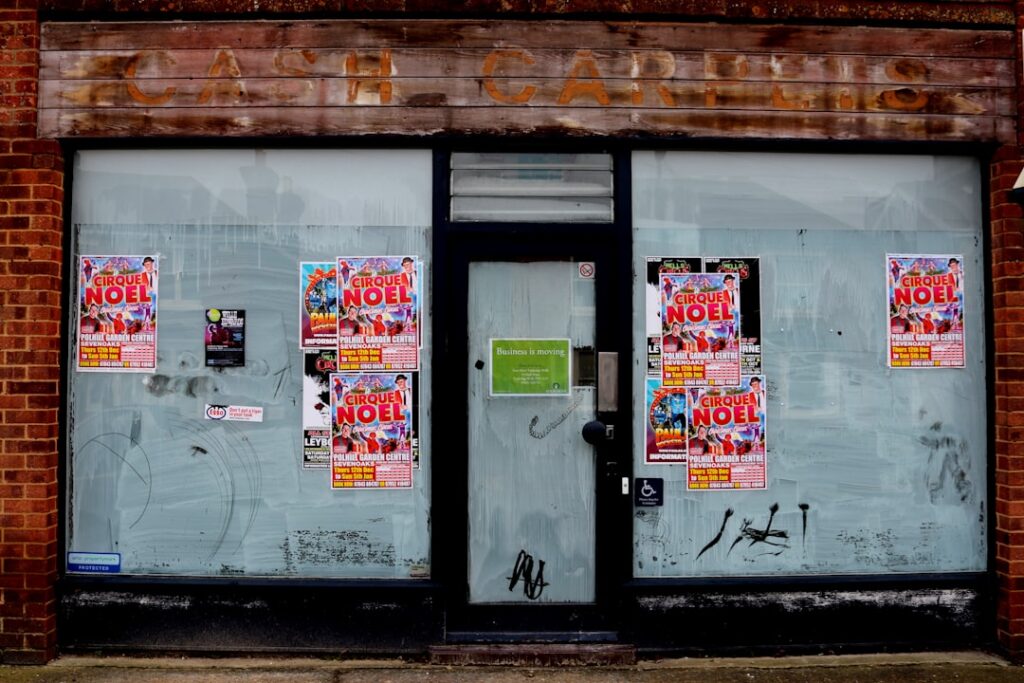
The Visible Decay Reshaping Electoral Sentiment
The condition of England’s high streets has transcended mere economic commentary to become a defining electoral issue. As vacant storefronts multiply and beloved retailers shutter their doors, voters are channeling their frustration into something tangible: their ballot choices. The upcoming May council elections are poised to become a referendum on more than just local governance—they represent a broader reckoning with years of commercial decline and perceived governmental neglect.
This phenomenon extends far beyond nostalgia for the shopping experiences of yesteryear. The deterioration of town centers symbolizes something voters feel acutely: a sense that their communities have been abandoned by both market forces and political leadership. Empty buildings cast long shadows—both literal and metaphorical—across electoral calculations.
Why Town Centers Matter Beyond Commerce
High streets have always functioned as more than retail destinations. They serve as community anchors, employment hubs, and visible indicators of a town’s vitality. When they fail, the psychological impact reverberates through entire populations. Residents don’t just lose shopping convenience; they lose gathering spaces, local job opportunities, and the sense that their hometown remains economically viable.
The current wave of closures reflects multiple converging pressures: e-commerce competition, rising commercial rents, changing consumer habits, and supply chain disruptions. Yet for many voters, these abstract economic forces feel less important than the immediate reality: the boarded-up storefronts they see daily, the friends who’ve lost retail jobs, and the sense that no one in power seems particularly concerned.
Political Discontent Takes Electoral Form
What makes this moment particularly significant for May’s council elections is that high street decline serves as a visible, tangible representation of broader political dissatisfaction. Voters struggling with the cost of living, concerned about public services, and anxious about their communities’ futures can point to their deteriorating town centers as evidence that something has gone fundamentally wrong.
Council elections often suffer from low turnout and limited media attention compared to general elections. Yet they remain crucial for local governance, affecting everything from planning permissions to business support programs to community investment. When voters feel energized by discontent—even discontent focused on issues like high street decline—they’re more likely to participate in local elections.
The Domino Effect of Community Decline
Beyond the immediate commercial impacts, high street deterioration triggers a cascade of secondary effects. Fewer shoppers mean reduced footfall for surviving businesses, accelerating closures. Property values decline, making investment less attractive. Council tax bases shrink while demands on services increase. The visible decay may even affect residents’ mental health and sense of community pride.
Young people see limited economic opportunity and migrate elsewhere. Established residents feel their property values declining and worry about neighborhood safety and vitality. Small business owners struggle against impossible odds. These aren’t abstract grievances—they’re personal experiences that accumulate into electoral consequences.
What May’s Elections Could Reveal
The local council elections scheduled for May will provide crucial data about whether high street decline has genuinely shifted voting behavior or whether it remains background noise in electoral calculations. Will voters punish incumbents for perceived failures to revitalize town centers? Will they support challengers offering novel approaches to commercial district renewal?
Early indications suggest widespread voter frustration could indeed reshape council compositions. This would have significant implications for subsequent policy decisions, local investment priorities, and how parties at all levels approach urban and town center strategy going forward.
A Moment of Reckoning
England’s struggling high streets represent more than economic failure—they embody a breakdown in the implicit social contract between communities and leadership. When town centers crumble, voters feel the effects immediately and personally. May’s council elections represent an opportunity for those communities to register their dissatisfaction and demand different approaches to revitalization and economic development.
Whether councils elected on the basis of high street discontent will be equipped to meaningfully address these challenges remains an open question. But one thing seems certain: the decline of England’s commercial districts will be a defining theme of this election cycle.
This report is based on information originally published by BBC News. Business News Wire has independently summarized this content. Read the original article.