
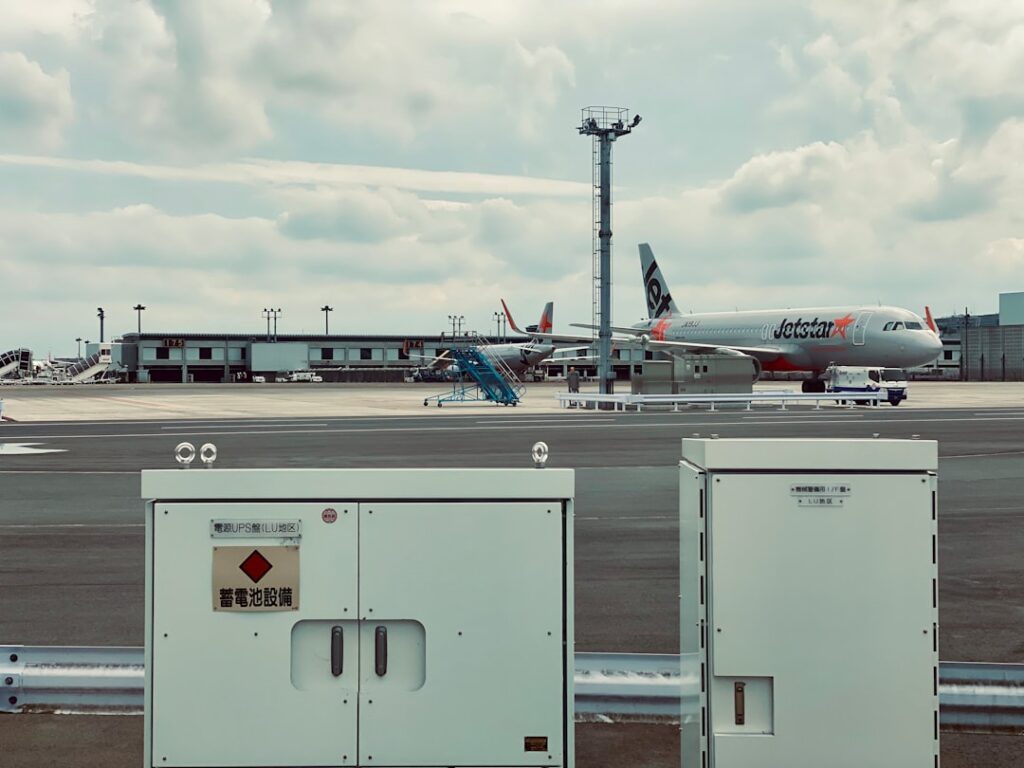
A Proactive Approach to Aviation Disruption
In a significant shift in how the aviation industry manages operational challenges, government ministers have introduced new guidelines that grant airlines the authority to cancel flights in advance when confronted with fuel supply shortages. Rather than waiting until the last moment to notify passengers of cancellations, carriers will now have the flexibility to make these difficult decisions earlier in the planning cycle, potentially allowing travelers more time to adjust their arrangements.
The policy initiative reflects a broader acknowledgment that the current geopolitical climate, particularly tensions affecting Middle Eastern fuel supplies, poses real risks to aviation operations. By establishing a framework that permits advance cancellations, policymakers hope to transform what could be a chaotic scramble into a more orderly, predictable process that ultimately serves passenger interests better than reactive last-minute decisions.
Why Summer Travel Matters
The timing of this announcement is hardly coincidental. The summer months represent peak travel season across Europe and beyond, when airlines operate at near-maximum capacity and any disruption can cascade through their entire network. Millions of passengers plan vacations, family reunions, and business trips during these months, making flight reliability a paramount concern for both carriers and the traveling public.
The existing protocol of last-minute cancellations creates genuine havoc. Passengers who’ve already arrived at airports, checked luggage, and said their goodbyes face the prospect of sudden rescheduling with limited alternatives. Hotels must be rebooked, connecting flights missed, and important appointments postponed—all with minimal notice. For families with young children, elderly travelers, or those with tight schedules, these sudden changes can transform planned trips into nightmares.
The Middle East Fuel Supply Question
The specific concern driving this policy change centers on fuel supplies originating from or transiting through the Middle East. Global aviation fuel markets are intricately connected to regional stability, and disruptions in this critical area can ripple through supply chains worldwide. Airlines operating in Europe and other regions may struggle to secure adequate fuel supplies if regional tensions escalate or supply routes face interruption.
Rather than hoping for supply continuity and risking operational collapse, the new framework acknowledges reality: sometimes fuel availability becomes genuinely constrained, and pretending otherwise until the eleventh hour serves no one. By planning ahead, airlines can alert passengers, coordinate alternative transportation, and manage expectations transparently.
Building Passenger Confidence Through Transparency
While no one celebrates flight cancellations, advance notice represents a pragmatic improvement over existing alternatives. Passengers with several days’ warning can explore other travel options, adjust their plans, and minimize personal disruption. They can book alternative flights on competitors’ schedules, arrange ground transportation, or reschedule their trips entirely—all decisions that become impossible when cancellations occur at the gate.
The new policy also demonstrates that government and industry recognize the difference between operational challenges beyond anyone’s control and poor management of those challenges. Fuel supply disruptions may be unavoidable, but how airlines and regulators handle them remains entirely within their control. Advance planning and transparent communication represent mature responses to genuine constraints.
Looking Ahead: A Balanced Approach
This initiative represents a calculated balancing act. Ministers want to ensure that summer travel proceeds as smoothly as possible while acknowledging that perfect conditions may not materialize. Airlines gain operational flexibility and the ability to manage their networks strategically rather than reactively. Passengers gain certainty and planning time, even if that certainty involves unwelcome news.
The success of this approach will ultimately depend on execution. Airlines must use their newfound authority responsibly, canceling only when genuinely necessary rather than opportunistically. Passengers and travel industry partners must adjust to a new reality where advance cancellations, while disappointing, beat the alternative of airport chaos and last-minute scrambling.
As global supply chains remain vulnerable to geopolitical shocks and the summer travel season approaches, this policy offers a more intelligent framework for managing genuine constraints. It’s hardly a perfect solution, but it represents pragmatic governance in an uncertain world.
This report is based on information originally published by BBC News. Business News Wire has independently summarized this content. Read the original article.