
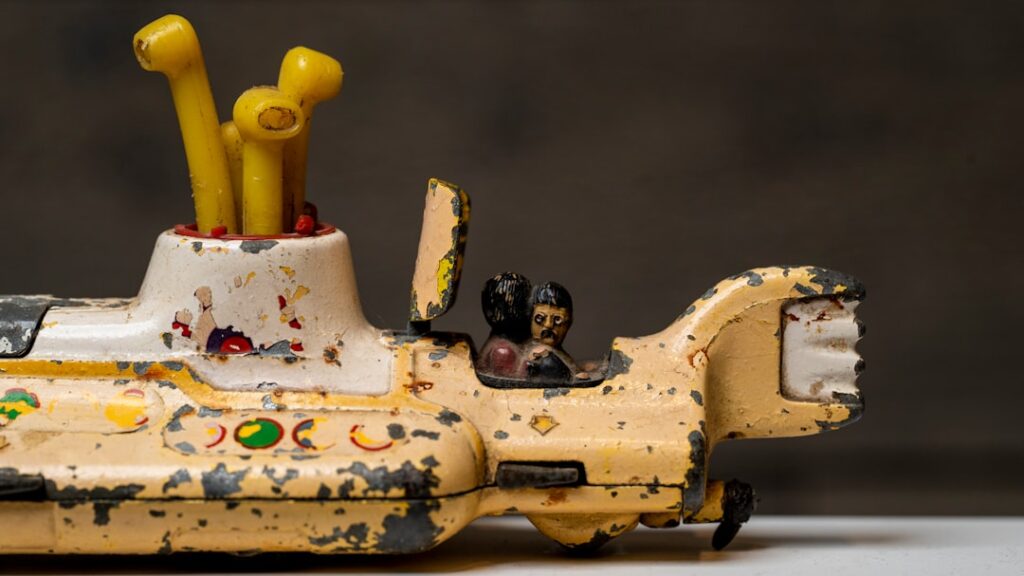
A Hidden Danger in the Toy Box: Asbestos Contamination Emerges as Critical Health Concern
In a troubling development that has captured the attention of health officials and parents alike, asbestos—a notoriously carcinogenic mineral—has been discovered contaminating children’s toys. This alarming finding has sent shockwaves through the toy manufacturing industry and raised serious questions about product safety standards and regulatory oversight in an increasingly globalized supply chain.
The discovery of asbestos in toys represents one of the most concerning health hazards to emerge in recent consumer safety news. Asbestos, a naturally occurring fibrous mineral that was widely used in industrial and commercial applications throughout the twentieth century, is now firmly established as a cause of serious respiratory diseases, mesothelioma, and lung cancer. When asbestos fibers are inhaled or ingested—particularly by young children whose bodies are still developing—they can lodge in the lungs and other organs, potentially causing disease decades later.
Understanding the Asbestos Threat
Asbestos poses an insidious danger because exposure often produces no immediate symptoms. Children playing with contaminated toys may unknowingly inhale microscopic fibers released during normal play. Unlike acute toxins that produce immediate reactions, asbestos-related diseases typically develop over years or even decades, making early detection and prevention critically important.
The presence of asbestos in children’s products is particularly egregious given that its dangers have been scientifically documented for over a century. Many developed nations have implemented strict bans or severe restrictions on asbestos use in consumer products. Yet the discovery in toys suggests that enforcement mechanisms may be failing, or that imported products are not being adequately screened before reaching consumers.
Regulatory Response and Consumer Action
Health authorities have swiftly mobilized in response to these findings, issuing public health warnings and initiating product recalls. Parents and caregivers are being urged to immediately inspect toys in their homes, particularly those manufactured overseas or purchased from discount retailers where quality control may be less rigorous. Any toys suspected of containing asbestos should be removed from children’s access immediately and reported to appropriate regulatory agencies.
The incident highlights significant gaps in current product safety systems. While developed nations maintain strict regulations governing asbestos in consumer goods, the global nature of toy manufacturing means that products may be sourced from jurisdictions with less stringent safety standards. Once these items enter the supply chain and reach retail shelves, they may not undergo sufficient testing to detect contamination before purchase.
Industry Accountability and Future Prevention
This troubling discovery demands accountability from toy manufacturers, importers, and retailers. Companies must take responsibility for thoroughly vetting their supply chains and ensuring that every product meets rigorous safety standards before it reaches store shelves. Manufacturers cannot hide behind claims of ignorance when it comes to such a well-known and documented health hazard.
Retailers also bear responsibility for the safety of products they sell. Large retail chains and e-commerce platforms must implement comprehensive testing protocols and maintain detailed records of product origins and manufacturing standards. The presence of asbestos in toys suggests these safeguards may be insufficient.
What Parents Should Do Now
In the immediate term, parents should take several precautionary steps. First, conduct a thorough inspection of toys currently in the home, paying special attention to vintage toys, hand-me-downs, and products purchased from unfamiliar sources. Look for any toys that appear to have deteriorating surfaces, as asbestos fibers are more likely to become airborne when materials break down.
Second, consult official regulatory agency websites for lists of recalled products. Third, if asbestos contamination is suspected, do not attempt to clean or repair the toy. Instead, carefully place it in a sealed plastic bag and contact local health authorities for proper disposal instructions.
Long-Term Implications
Beyond immediate consumer actions, this incident demands a comprehensive review of product safety regulations and enforcement mechanisms. Governments must strengthen import inspection protocols, increase penalties for violations, and hold companies accountable for negligence. Industry stakeholders must voluntarily exceed minimum requirements rather than cutting corners at consumers’ expense.
The asbestos in toys scandal serves as a stark reminder that no amount of regulatory oversight is too much when children’s health and safety are at stake. As consumers and citizens, we must remain vigilant and demand that the companies we support maintain the highest standards of product safety.
This report is based on information originally published by BBC News. Business News Wire has independently summarized this content. Read the original article.