
The Hidden Price Tag of “Natural” Beauty
The natural beauty revolution promised simplicity, authenticity, and freedom from expensive cosmetic procedures. Yet nearly a decade into this cultural shift, a striking paradox has emerged: maintaining that coveted “no-makeup makeup” aesthetic and clear, youthful skin through conventional means is proving far more expensive than consumers initially anticipated. What began as an economical alternative to invasive procedures has transformed into an ongoing financial commitment that rivals—or exceeds—the very treatments it sought to replace.
According to insights from Laser by Aleya, a premier aesthetic treatment provider based in Great Neck, New York, clients are increasingly arriving at a critical realization. The cumulative costs of maintaining a minimalist skincare routine, purchasing high-end serums, investing in consistent professional facials, and purchasing specialty products to address recurring skin concerns have become a genuine financial burden. The mathematics are undeniable: when you add up monthly subscriptions to skincare boxes, quarterly professional treatments, targeted serums at $100-plus per bottle, and continuous product replacement cycles, the annual expenditure becomes substantial.
Consumer Behavior Shifts Toward Permanence
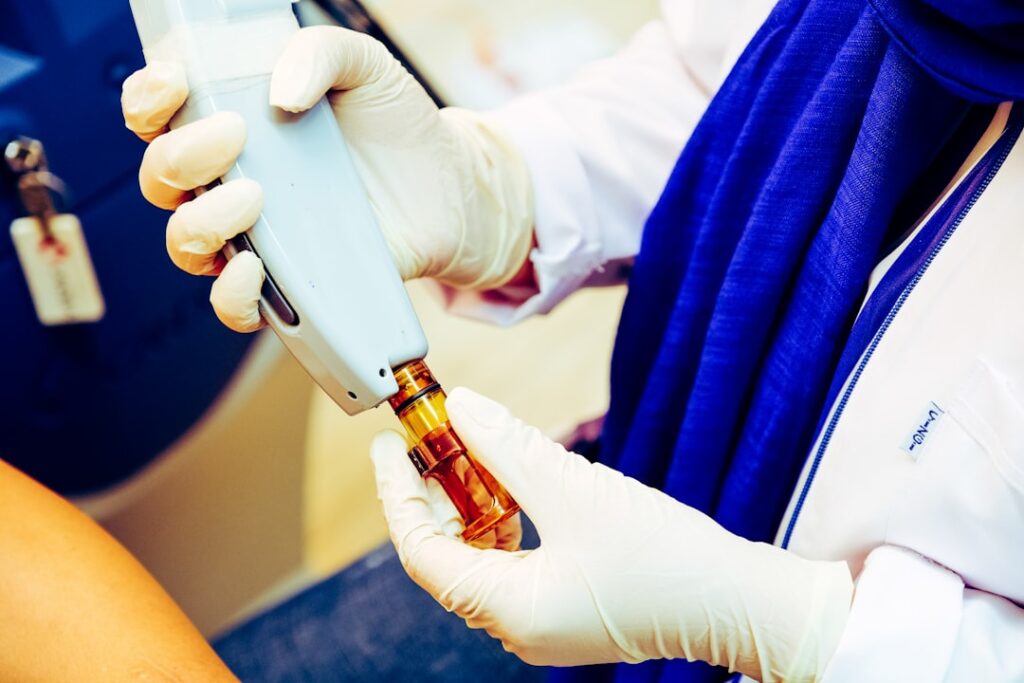
This economic awakening has catalyzed a fundamental shift in how consumers approach beauty maintenance. Rather than accepting an endless cycle of temporary fixes and recurring expenses, a growing demographic is exploring permanent or semi-permanent solutions that promise to reduce long-term costs and maintenance requirements. Laser treatments, once viewed as luxury indulgences reserved for special occasions, are now being reconsidered as legitimate investments in future savings and lifestyle convenience.
The appeal lies in the mathematics of permanence. A series of laser treatments targeting specific concerns—whether unwanted hair, pigmentation irregularities, or skin texture issues—requires an upfront investment but eliminates the need for continuous product purchases and professional maintenance appointments. For consumers exhausted by the endless product cycle, this represents a compelling value proposition that extends far beyond mere aesthetic improvement.
Reevaluating True Cost of Minimalist Routines
The natural beauty community has long marketed itself as the economical choice. Influencers and beauty advocates championed the philosophy that fewer, higher-quality products could replace expensive spa treatments and dermatological procedures. However, this narrative overlooked a critical reality: “natural” skin requires rigorous maintenance. Acne doesn’t disappear through minimalism alone. Fine lines and sun damage demand consistent intervention. Unwanted hair growth persists regardless of one’s commitment to natural aesthetics.
What consumers are discovering is that the natural beauty approach often demands premium-priced products to achieve results. A single bottle of high-end retinol serum can cost $150 or more. Professional facials targeting specific skin concerns run $200 to $400 per session. When consumers require these treatments monthly or quarterly to maintain their desired appearance, the annual expenditure easily exceeds $3,000 to $5,000—figures that rival or surpass the cost of comprehensive laser treatment packages.
The Long-Term Treatment Philosophy
Industry professionals are reporting that clients now approach beauty decisions with unprecedented pragmatism. Rather than viewing treatments as frivolous or vain, consumers are evaluating them through a cost-benefit lens typically reserved for major financial decisions. A laser hair removal package, while expensive initially, eliminates years of razor purchases, shaving cream, professional waxing appointments, and ingrown hair treatments. Similarly, skin resurfacing treatments can address multiple concerns simultaneously, reducing the need for numerous specialty serums and ongoing professional facials.
This represents a philosophical evolution in how consumers conceptualize beauty maintenance. The focus has shifted from temporary concealment to permanent improvement. Instead of asking “What product can I apply today to hide this problem?” consumers now ask “What treatment can I invest in now to eliminate this concern permanently?”
Market Implications and Future Trends
This consumer shift carries significant implications for the broader beauty industry. The skincare product market, which has experienced explosive growth alongside the natural beauty movement, may face headwinds as consumers increasingly redirect spending toward professional treatments. Conversely, the aesthetic treatment industry is experiencing surging demand from price-conscious consumers seeking to break the product cycle.
What’s particularly noteworthy is that this trend transcends demographic boundaries. It’s not exclusively wealthy consumers seeking luxury treatments. Rather, middle-income consumers are making calculated decisions about allocating their beauty budgets toward solutions that offer superior long-term value propositions. This democratization of professional aesthetic treatments reflects a maturation in consumer thinking about beauty investment.
As this trend continues to gain momentum, the beauty industry will likely witness continued consolidation around comprehensive treatment protocols rather than isolated product purchases. The natural beauty movement has inadvertently catalyzed a return to professional aesthetic services—not as luxury indulgences, but as pragmatic economic choices.
This report is based on information originally published by All News Releases. Business News Wire has independently summarized this content. Read the original article.