
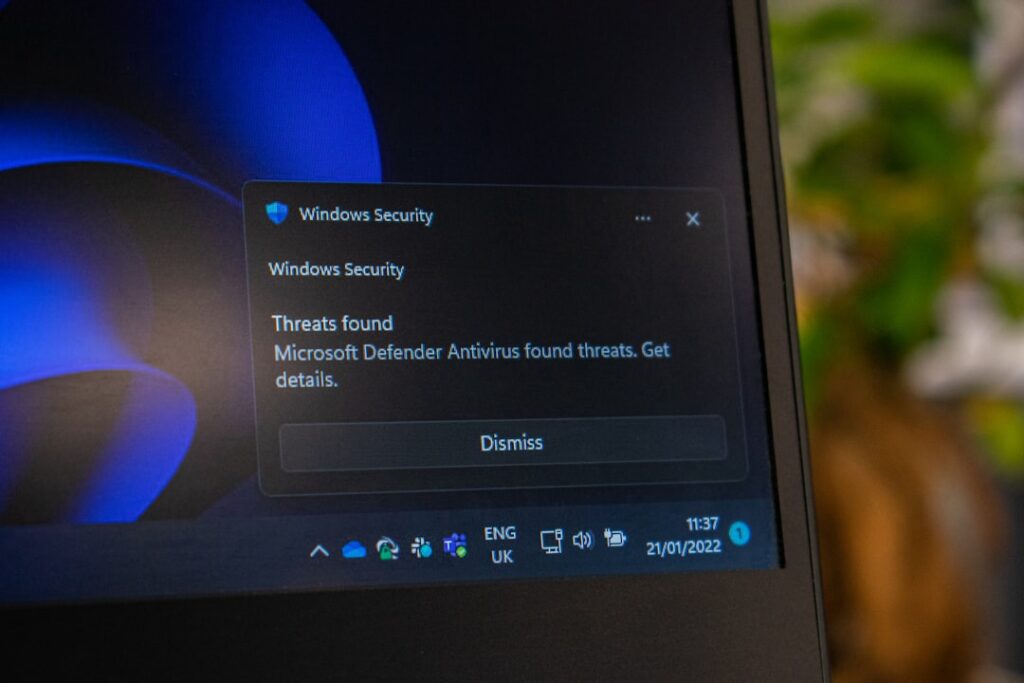
Critical Windows Defender Vulnerabilities Now Under Active Exploitation
The cybersecurity landscape has shifted into higher alert status following a troubling cascade of events. A security researcher recently disclosed detailed information about three significant vulnerabilities affecting Windows Defender, including the actual exploit code capable of weaponizing these flaws. What makes this situation particularly urgent is that threat actors have already begun leveraging these vulnerabilities in coordinated attacks against real organizations, according to findings from a major cybersecurity firm monitoring global threat activity.
The timing of this disclosure highlights an ongoing tension in the information security community: the balance between responsible disclosure and the public’s right to understand security risks. When technical details and working exploits become publicly available, the window of opportunity for defenders to patch systems shrinks dramatically. In this case, that window appears to have already closed for many enterprises still running unpatched versions of Windows Defender.
The Vulnerability Disclosure and Immediate Threat Response
The three security flaws in Windows Defender represent a troubling vulnerability pattern. Rather than requiring sophisticated, zero-day-level exploitation techniques, these vulnerabilities can be weaponized with the publicly available code, making them accessible to a broader range of threat actors—not just the most technically advanced adversaries. This democratization of attack capabilities poses a significant challenge for enterprise security teams who must now prioritize patching across potentially thousands of systems.
Cybersecurity firms monitoring the threat landscape report that exploitation attempts have already moved beyond theoretical proof-of-concept demonstrations. Real attackers are conducting actual intrusions leveraging these flaws, successfully compromising organizational networks and establishing initial footholds for further malicious activity. The speed of adoption by malicious actors underscores how quickly vulnerabilities transition from academic interest to practical weaponization in the hands of criminals and state-sponsored groups.
Why Organizations Remain Vulnerable
The continued exploitation of these flaws points to a persistent problem plaguing enterprise IT environments: patch management failures. Despite clear evidence of active attacks and the availability of security updates, many organizations struggle to apply patches promptly across their infrastructure. Legacy systems, complex IT environments, testing requirements, and resource constraints all contribute to delayed patch deployment timelines that criminals exploit relentlessly.
Windows Defender, as a default security component in countless business environments, represents a particularly attractive target for attackers. Compromising endpoint protection tools provides threat actors with a direct pathway to disable security monitoring, evade detection systems, and maintain persistent access to compromised systems. When these protective tools themselves become weaponized vulnerabilities, the ripple effects across enterprise networks can be catastrophic.
The Broader Security Implications
This incident exemplifies a fundamental challenge in modern cybersecurity: the race between disclosure and exploitation. Security researchers face pressure to share findings with vendors and the public, but premature disclosure without adequate patching timelines accelerates threat actor adoption. In this case, the detailed public disclosure combined with functional exploit code created conditions for rapid weaponization.
Organizations must recognize that the mere existence of a security update does not equal protection. The critical step occurs when patches are actually tested, approved, and deployed throughout enterprise environments. Many organizations operate on slower patch cycles than the accelerated timelines that active exploitation requires, creating dangerous gaps where systems remain vulnerable despite fixes being available.
Recommended Actions for Organizations
Security professionals should prioritize Windows Defender patching as an urgent operational matter rather than routine maintenance. Organizations should review their patch management processes to identify bottlenecks that delay critical security updates. Additionally, network segmentation and endpoint detection and response solutions can provide additional defense layers while patches are being deployed.
The situation also underscores the importance of monitoring threat intelligence feeds and maintaining awareness of active exploitation campaigns. Organizations that understand which vulnerabilities are being actively exploited can prioritize patching efforts more effectively, focusing resources on the threats that pose immediate risks to their environments.
As threat actors continue demonstrating their willingness to rapidly adopt newly disclosed vulnerabilities, the days of leisurely patch deployment windows are effectively over. Organizations that fail to accelerate their security response timelines will continue finding themselves on the losing side of this digital arms race.
This report is based on information originally published by TechCrunch. Business News Wire has independently summarized this content. Read the original article.