
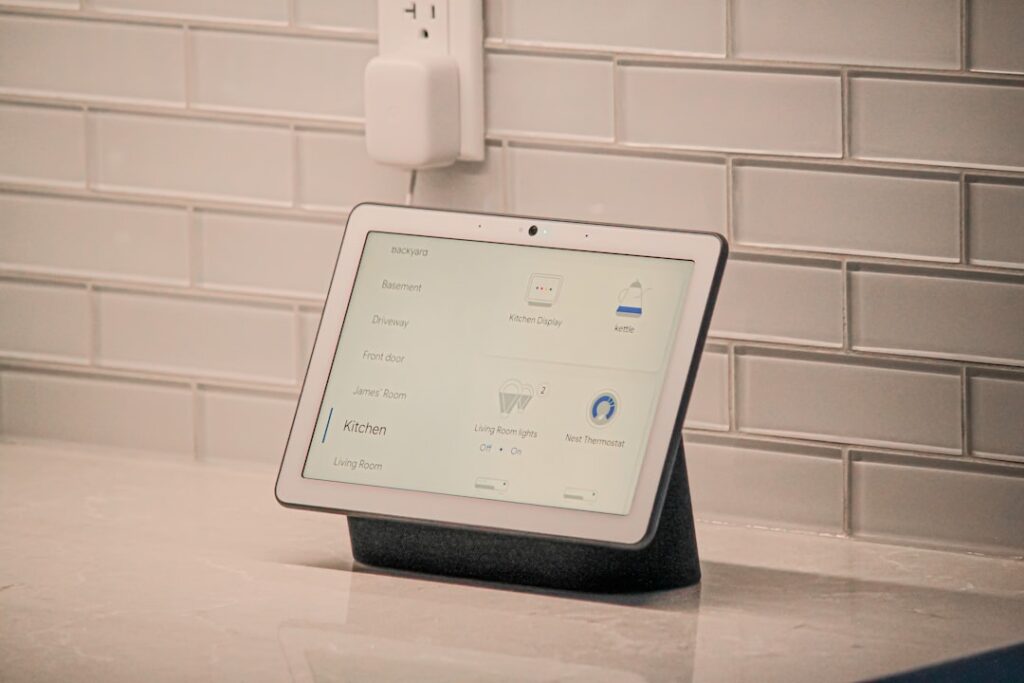
The Hidden World of Housing Innovation
Walk into any real estate transaction today, and you’ll encounter a process that feels remarkably similar to how homes were bought and sold decades ago. Yet somewhere in the shadows of the technology world, sophisticated solutions exist that could dramatically reduce costs, eliminate stress, and streamline the entire homebuying experience. These innovations aren’t mythical—they’re real, functional, and ready for deployment. The question isn’t whether they work. The question is: why don’t you ever see them?
This paradox sits at the heart of a fundamental disconnect between what’s technologically possible and what’s actually available to consumers. The real estate industry has become a fortress of tradition, resistant to disruption despite mounting evidence that homebuyers desperately want—and need—better solutions. Understanding this gap requires examining the structural obstacles that keep innovation locked away from the very people who would benefit most from it.
Why the Real Estate Industry Resists Change
The residential real estate market operates within a complex ecosystem of entrenched interests, regulatory frameworks, and business models that have remained largely unchanged for generations. Real estate agents, brokers, lenders, title companies, and countless other stakeholders have built their operations around existing processes. Introducing new technology threatens to disrupt these carefully constructed systems, and disruption means uncertainty about profitability and market position.
Consider the traditional real estate agent’s role. For decades, agents have controlled information flow and served as the primary intermediary between buyers and sellers. Digital platforms and innovative tools that provide transparency and streamline transactions directly threaten this gatekeeping function. Similarly, lenders have developed standardized procedures and risk assessment models around conventional processes. Asking them to adopt new verification systems or digital documentation methods requires retraining staff, updating infrastructure, and most importantly, accepting that their competitive advantages might erode.
This institutional resistance creates a vicious cycle. Developers of housing technology struggle to gain market traction because the traditional players—who control distribution channels and customer access—have little incentive to promote solutions that might reduce their relevance. Homebuyers, unaware that better options exist, continue accepting outdated processes as inevitable rather than challenging the status quo.
The Cost of Invisibility to Consumers
The consequences of this technological invisibility fall squarely on the shoulders of homebuyers. The average person purchasing a home faces an overwhelming maze of paperwork, coordination nightmares, and stress-inducing timelines. Many encounter unexpected complications that could have been prevented with better information access or more efficient processes. The financial toll is equally significant—hidden fees, inefficient transactions, and lack of price transparency cost consumers millions annually.
What makes this situation particularly frustrating is that potential solutions exist. Technology could provide real-time updates on transaction status, automated document verification that reduces closing delays, better pricing transparency, enhanced inspection documentation, and streamlined communication between all parties. Some of these tools have proven successful in limited markets or among early adopters, demonstrating genuine value. Yet they remain confined to niches rather than becoming industry standards.
What Must Change for Innovation to Emerge
Breaking through this technological impasse requires fundamental shifts in how the real estate industry operates. First, regulatory frameworks need modernization. Many regulations were written for a paper-based world and inadvertently create barriers for digital solutions. Updating these frameworks to accommodate innovation while maintaining consumer protection would remove significant obstacles to adoption.
Second, the industry must embrace transparency as a competitive advantage rather than viewing it as threatening. Platforms that provide better information and streamlined processes don’t necessarily eliminate intermediaries—they can enhance their value by handling more complex transactions or providing specialized expertise. Forward-thinking agents and brokers who adopt technology-enabled practices often find they attract more clients and close more deals.
Third, collaboration between traditional players and technology innovators needs to increase. Rather than viewing startups as threats, established industry participants could work with them to integrate solutions into existing workflows. This partnership approach has succeeded in other industries undergoing digital transformation and could work in real estate as well.
Fourth, consumer demand must increase. As homebuyers become more aware that better solutions exist and actively seek them out, pressure naturally increases on traditional providers to adapt or risk losing business to more innovative competitors.
Looking Forward: A More Transparent Market
The housing technology revolution isn’t coming someday in the distant future—it’s already happening in pockets across the country. The challenge lies in mainstreaming these innovations so that every homebuyer benefits from advances that reduce costs, save time, and eliminate unnecessary stress.
When the real estate industry finally decides that innovation serves its long-term interests better than preservation of the status quo, we’ll see a rapid transformation. Homebuyers will gain access to tools that make transactions more transparent, efficient, and affordable. The market will become more competitive as information asymmetries disappear. And perhaps most importantly, the homebuying experience will finally catch up with the twenty-first century.
Until that shift occurs, housing technology will continue to lurk just beyond the average buyer’s line of sight—a promising but frustratingly inaccessible solution to problems that shouldn’t exist in our digital age.
This report is based on information originally published by Entrepreneur – Latest. Business News Wire has independently summarized this content. Read the original article.