
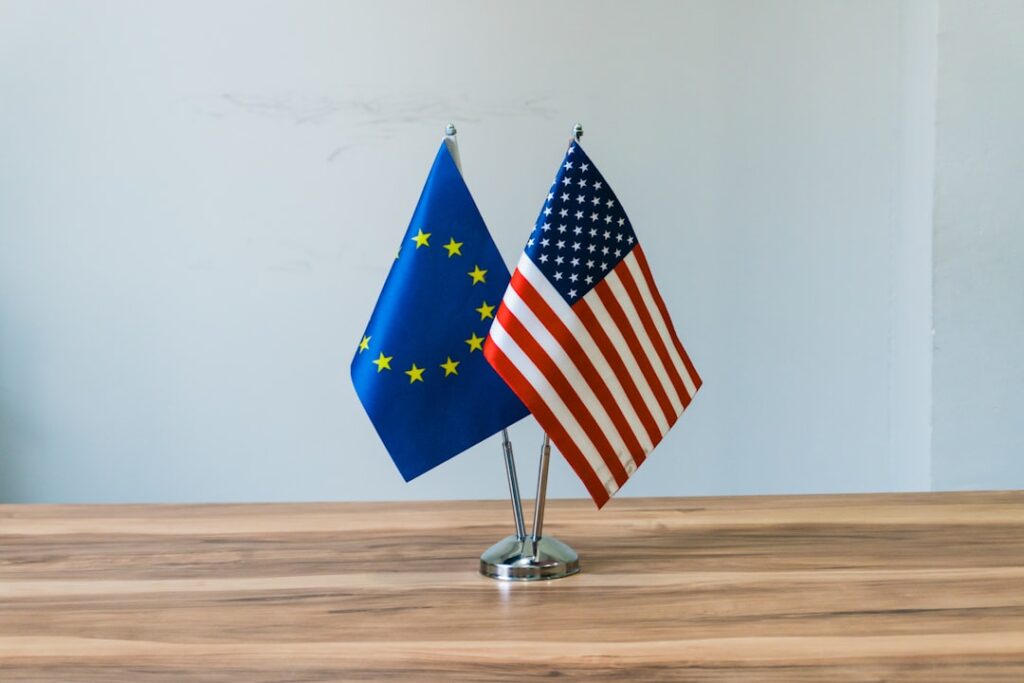
A Fourth of July Showdown in Trade Negotiations
In a move that signals intensifying pressure on international trade relationships, President Trump has delivered a clear and time-sensitive message to European Union leadership: approve the trade deal negotiated last year and eliminate tariffs on American goods by July 4th, or face potential consequences. The ultimatum, delivered with characteristic directness, marks a significant escalation in efforts to reshape America’s commercial relationship with one of the world’s largest economic blocs.
The ultimatum comes at a critical juncture in transatlantic trade relations, where negotiations have been ongoing but progress remains contested. By tying the deadline to America’s Independence Day, Trump has injected symbolic weight into what would otherwise be a standard negotiating tactic, suggesting the administration views this matter as fundamental to American economic sovereignty and interests.
The Core Demands: Deal Ratification and Tariff Elimination
The Trump administration’s position contains two primary components. First, the European Union must formally enact the trade agreement that was previously negotiated between the two parties. Second, and equally important, the EU must commit to reducing all tariffs on American goods to zero. This dual requirement suggests the administration believes previous negotiations may not have gone far enough in protecting American business interests.
The push for zero tariffs represents an ambitious negotiating position. Rather than accepting tiered tariff reductions or gradual phase-ins common in international trade agreements, the Trump administration is demanding complete elimination of duties on American exports. This approach reflects a hardline philosophy on trade that prioritizes maximum access for American goods over the reciprocal arrangements typically found in modern trade deals.
Historical Context and Previous Negotiations
The trade deal referenced in Trump’s ultimatum was agreed upon during previous negotiations between the United States and the European Union. However, the fact that the president is now demanding its enactment suggests either that the EU has not yet fully ratified it through their internal processes, or that Trump believes the agreed-upon terms require strengthening before final implementation. This distinction matters significantly for understanding the current negotiating landscape.
The EU’s regulatory and decision-making processes are notably complex, often requiring approval from multiple member states and parliamentary bodies. What might appear as delay or resistance from an American perspective could simply reflect the bureaucratic realities of coordinating 27 member nations with varying economic interests and priorities. Understanding this structural reality becomes crucial for interpreting the administration’s apparent frustration.
Implications for American Business and Workers
For American exporters and manufacturers, the stakes represented by this ultimatum are substantial. European tariffs on American goods—whether agricultural products, manufactured goods, or industrial equipment—directly affect the competitiveness of American businesses in one of the world’s largest and most lucrative markets. Reducing those barriers could potentially open significant opportunities for American companies seeking to expand internationally.
The manufacturing sector, in particular, has long sought greater access to European markets. Industries ranging from automotive to pharmaceuticals to agricultural equipment could benefit from tariff elimination. However, the aggressive timeline and unilateral nature of the ultimatum raise questions about whether such an approach might provoke defensive reactions rather than cooperation from EU policymakers.
The Broader Trade War Picture
This ultimatum must be understood within the broader context of Trump administration trade policy, which has emphasized bilateral negotiations, reciprocal tariffs, and American-first principles. The approach represents a significant departure from decades of multilateral trade frameworks and represents a more confrontational stance toward international commerce.
The July 4th deadline itself carries tactical significance. By selecting a date just weeks away, Trump has created urgency and limited the EU’s ability to engage in extended negotiations. This strategy reflects a negotiating philosophy that favors pressure and tight timelines over prolonged deliberation. Whether such tactics ultimately prove effective in achieving American trade objectives remains an open question in business and policy circles.
What Comes Next?
The coming weeks will prove critical for understanding how seriously both sides take this ultimatum. The EU’s response will reveal whether European leaders view the deadline as negotiable or binding, and whether they perceive Trump’s demands as reasonable adjustments to previous terms or non-starters that would require walking away from agreed frameworks.
Business leaders on both sides of the Atlantic are watching closely, understanding that trade policy decisions at this level ripple through supply chains, pricing structures, and corporate investment strategies. The outcome of these negotiations could reshape transatlantic commerce for years to come, affecting everything from jobs to consumer prices to competitive dynamics in global markets.
This report is based on information originally published by BBC News. Business News Wire has independently summarized this content. Read the original article.