
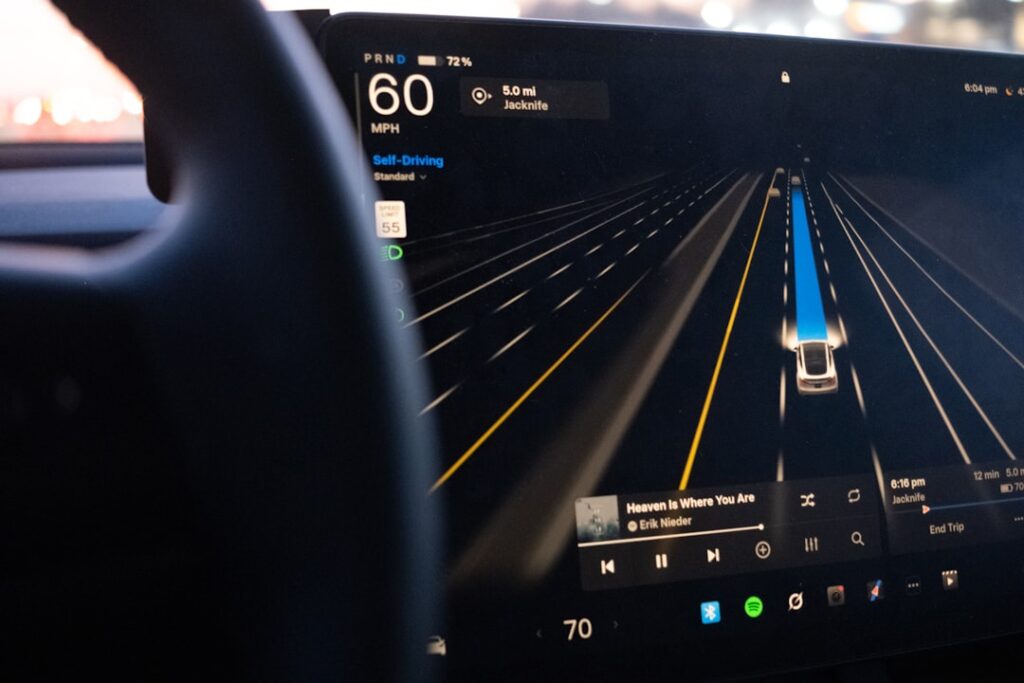
The Hardware Truth Emerges
In a move that could reshape the narrative around Tesla’s most ambitious feature, Elon Musk has publicly acknowledged what many industry observers suspected but the company long avoided stating directly: millions of Tesla owners will need to purchase hardware upgrades to achieve true Full Self-Driving (FSD) capabilities. This candid admission marks a notable departure from years of messaging that suggested incremental software updates would be sufficient to unlock autonomous driving features across Tesla’s existing fleet.
The confession carries significant weight not merely as a technical clarification, but as a potential liability issue. For nearly a decade, Tesla has cultivated a narrative of inevitable progress, one where today’s drivers were perpetually just one or two software releases away from experiencing fully autonomous vehicles. That carefully constructed messaging now faces serious scrutiny.
Years of Promises Meet Hardware Reality
Tesla’s approach to Full Self-Driving development has consistently emphasized software innovation over hardware limitations. The company sold FSD packages to hundreds of thousands of customers based on the premise that their vehicles’ existing sensors and computing hardware were adequate. Marketing materials and public statements from Musk himself reinforced this notion, positioning FSD as an achievable milestone that would arrive through over-the-air software updates.
The gap between marketing messaging and technical reality now threatens to become a flashpoint for consumer advocates and legal professionals alike. Customers who paid thousands of dollars for FSD packages—with subscription costs ranging from $99 to $199 monthly—were operating under the assumption that their current hardware would suffice. The sudden revelation that upgrades are necessary represents a fundamental shift in those terms.
Legal Vulnerabilities on the Horizon
This development opens multiple doors for potential litigation. Consumer protection attorneys have already begun examining whether Tesla’s previous statements constitute misleading marketing practices. The company’s regularity in delaying FSD delivery timelines while maintaining that hardware was not the limiting factor now appears problematic in retrospect.
The timing of this admission is particularly noteworthy. As Tesla faces increased scrutiny from regulators regarding autonomous vehicle safety claims, the revelation that current hardware cannot support full autonomy undermines years of regulatory filings and investor presentations. Federal agencies tasked with overseeing vehicle safety may find questions about why Tesla continued selling FSD to vehicles it knew were inadequately equipped.
Class-action lawsuits represent a genuine possibility, especially if evidence surfaces showing Tesla’s internal teams understood hardware limitations while continuing to market FSD as imminent. The company has already faced multiple legal challenges around FSD promises; this admission could provide substantial ammunition for plaintiffs’ attorneys.
What Customers Actually Need to Upgrade
While Musk’s statement confirms the necessity of hardware upgrades, specifics regarding the scope and cost remain somewhat vague. Industry analysts speculate that newer sensor packages, enhanced computing processors, or revised camera configurations may be required. The financial implications for Tesla’s installed base are substantial—if millions of owners need upgrades, the associated costs could range from hundreds to several thousand dollars per vehicle.
This financial burden raises ethical questions about how the costs will be distributed. Will Tesla offer subsidized upgrades to customers who purchased FSD in good faith? Will the company provide free hardware installations to early adopters? The answers to these questions will significantly impact Tesla’s reputation and potential legal exposure.
Implications for Tesla’s Future
Beyond the immediate legal concerns, Musk’s admission signals broader challenges for Tesla’s autonomous driving strategy. The company has invested enormous resources in building software-first autonomous capabilities, and the admission that hardware represents a fundamental constraint suggests that strategy may need recalibration.
For prospective Tesla buyers and current owners considering FSD purchases, this development introduces considerable uncertainty. The company’s credibility on autonomous driving timelines has already faced skepticism; this hardware revelation reinforces doubts about whether FSD will ever achieve full autonomy as promised.
The coming months will reveal how Tesla addresses this credibility crisis and whether regulatory bodies take action based on years of FSD marketing claims that appear increasingly difficult to reconcile with hardware realities. For investors, consumers, and industry observers, the honest acknowledgment of hardware limitations raises uncomfortable questions about what other technical hurdles might still lie ahead.
This report is based on information originally published by TechCrunch. Business News Wire has independently summarized this content. Read the original article.