
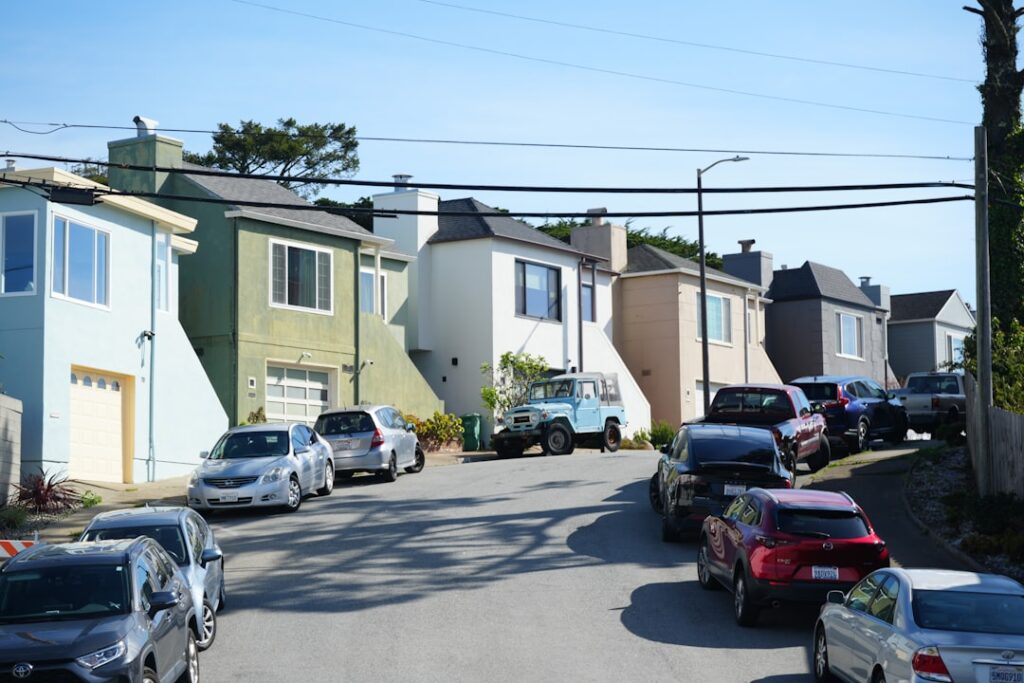
The Tech Wealth Effect: How Innovation Created an Affordability Catastrophe
San Francisco stands at a peculiar crossroads. On one hand, the city remains the global epicenter of technological innovation, home to some of the planet’s most ambitious entrepreneurs and groundbreaking companies. On the other hand, it has become a cautionary tale about what happens when concentrated wealth drives housing demand beyond the realm of economic sustainability. The answer to understanding this paradox lies not in mystery or speculation, but in the observable reality of how technology sector wealth translates into real estate economics.
The invisible force reshaping San Francisco’s housing landscape isn’t difficult to identify for anyone who has been paying attention to the city’s technology ecosystem. The same private companies that have disrupted industries and created trillion-dollar market valuations have simultaneously created an entirely new class of wealth holders. These aren’t solely the founders and venture capitalists—though they certainly play a role. Rather, it’s the engineers, product managers, and early-stage employees at companies like Airbnb, Stripe, and SpaceX who have quietly accumulated fortunes that would have seemed unimaginable just two decades ago.
The Liquidity Event That Changed Everything
What’s transformed the housing market from expensive to virtually unaffordable is the increasing frequency and scale of wealth realization events. Employees aren’t merely holding paper gains anymore—they’re cashing out. Secondary market sales, delayed IPOs, and strategic acquisitions have put billions of dollars directly into the hands of technology workers. When tens of thousands of individuals suddenly possess liquid capital in the millions, housing demand doesn’t increase proportionally—it explodes exponentially.
This phenomenon extends beyond the typical tech worker stereotype. Mid-level managers, specialized contractors, and even support staff at high-growth companies have benefited from equity packages that matured into life-changing sums. For many, their primary instinct upon realizing these gains has been to invest in real estate—the most tangible asset class available and, traditionally, the safest long-term store of value.
Supply Cannot Match Unprecedented Demand
Here’s where San Francisco’s structural problems become apparent. The city has built remarkably little new housing relative to the influx of high-income technology workers over the past fifteen years. Zoning restrictions, environmental reviews, and neighborhood opposition have created an environment where new residential construction barely keeps pace with normal population growth, let alone the extraordinary demand generated by newly wealthy tech employees.
The mathematics are brutal. When housing supply remains relatively static—or grows at only 2-3% annually—while demand is driven upward by an influx of individuals with unprecedented purchasing power, prices don’t gradually increase. They reorient themselves entirely. A median home price that was substantial ten years ago becomes merely the entry point for discussion in today’s market.
A Market Detached from Economic Reality
What observers mean when they describe San Francisco’s housing market as having “lost its mind” is that prices have fundamentally detached from the earning power of the city’s general population. A software engineer at a major tech company might reasonably afford a $3 million home. A teacher, nurse, or skilled tradesperson cannot. Yet both are competing in the same market, bidding against the same limited inventory.
The result is a market that increasingly serves only the exceptionally wealthy. Average San Francisco residents—those without equity stakes in unicorn companies or substantial inheritance—are essentially priced out of homeownership in the city where they work and live. This creates a secondary dynamic: those who can’t afford to buy are forced to rent, increasing pressure on rental markets and accelerating gentrification patterns.
The Broader Implications
San Francisco’s housing crisis is ultimately a mirror reflecting the concentration of wealth in the technology sector. It demonstrates what happens when a single industry’s employees accumulate such substantial capital that they alone can reshape an entire metropolitan real estate market. Without significant changes to housing supply, zoning policy, or wealth distribution patterns within technology companies themselves, the city’s affordability crisis will likely worsen before it improves.
The market hasn’t lost its mind—it has simply responded rationally to the massive influx of capital into the hands of technology sector employees. Understanding this mechanism is essential for anyone seeking to comprehend not just San Francisco’s housing crisis, but the broader economic implications of technology sector concentration and wealth accumulation in America’s major metropolitan areas.
This report is based on information originally published by TechCrunch. Business News Wire has independently summarized this content. Read the original article.