
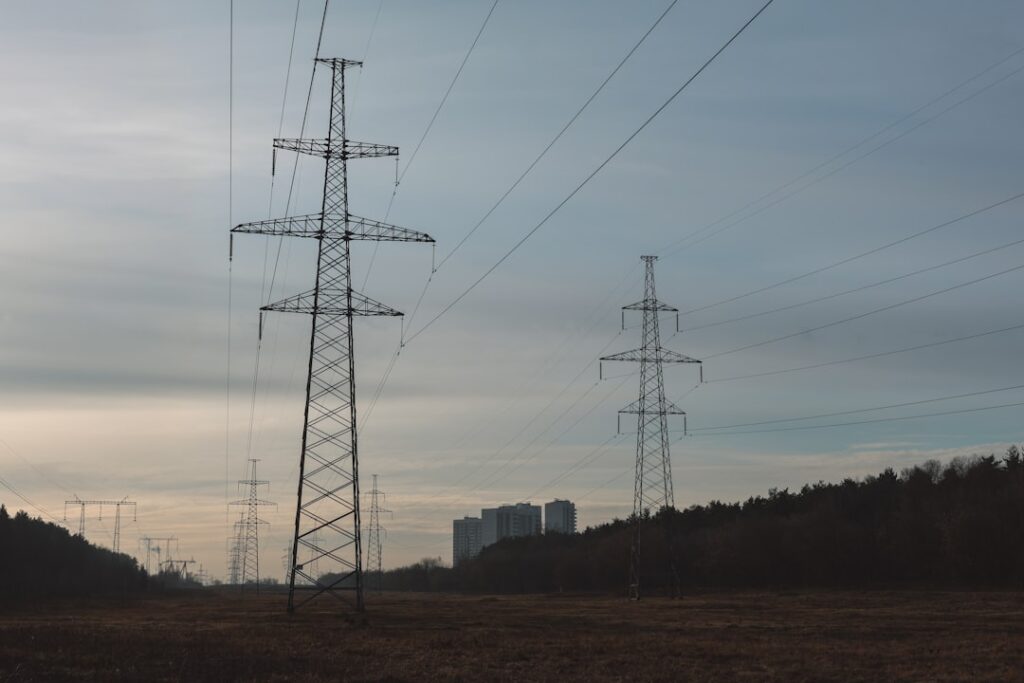
State Grid Jiangsu Sets New Standard for Power Reliability and Business-Friendly Infrastructure
In a compelling demonstration of modern utility management, State Grid Taicang Power Supply Company unveiled its comprehensive approach to energy distribution at the 18th “Taicang Day” celebration held in Munich, Germany. The company’s showcase highlighted three critical pillars that are reshaping how international enterprises view infrastructure reliability: an exceptional 99.996% electricity reliability rate, streamlined grid connection procedures, and a steadfast commitment to low-carbon energy solutions.
The presentation, which took place in the heart of Europe’s business community, signals a strategic shift in how Chinese utilities are positioning themselves on the global stage. By presenting concrete performance metrics and investor-centric policies, State Grid Jiangsu is effectively communicating that reliable power infrastructure no longer requires companies to compromise on sustainability or operational complexity.
Near-Perfect Reliability Becomes Competitive Advantage
The headline figure of 99.996% electricity reliability deserves careful examination. This metric represents more than just a statistical accomplishment—it translates to approximately 21 minutes of potential downtime per year across the entire grid. For capital-intensive manufacturing operations, pharmaceutical production facilities, data centers, and other electricity-dependent enterprises, this level of consistency fundamentally changes business planning calculations.
Traditional power grids in many regions operate at reliability levels ranging from 99.5% to 99.9%, which can result in hours of unplanned downtime annually. The differential between 99.9% reliability and 99.996% reliability might appear marginal numerically, but the operational impact is substantial. A single unexpected outage can cost manufacturing facilities thousands of dollars per minute, compromise product quality, or disrupt critical digital services.
State Grid Jiangsu’s achievement reflects substantial investment in grid modernization, redundancy systems, and predictive maintenance technologies. The utility has implemented advanced monitoring systems that identify potential failures before they occur, allowing technicians to perform preventive maintenance during scheduled windows rather than responding to emergencies.
Simplifying Grid Access for International Operators
Beyond raw reliability metrics, State Grid Taicang is addressing a persistent pain point for foreign companies establishing operations in China: the complexity of connecting to electrical infrastructure. Historically, the grid connection process involved navigating multiple bureaucratic layers, unclear timelines, and substantial upfront costs that could stretch into the millions of dollars.
The company’s initiative to reduce connection costs and streamline access procedures directly addresses this friction point. By creating clearer pathways, publishing transparent pricing structures, and reducing administrative overhead, the utility is removing a significant barrier to foreign direct investment in the Suzhou region.
This approach reflects a broader understanding that infrastructure services must evolve alongside the businesses they serve. Modern international corporations expect digital interfaces, clear service level agreements, and predictable timelines—the same standards they receive from utility providers in Europe and North America.
Low-Carbon Energy: Business Imperative Meets Environmental Responsibility
State Grid Jiangsu’s emphasis on low-carbon electricity supply addresses an increasingly critical concern for multinational enterprises. Global corporations facing pressure from investors, regulators, and consumers to reduce their carbon footprint view energy sourcing as a strategic consideration, not merely an operational necessity.
Companies headquartered in Europe and North America frequently have binding commitments to reduce scope 2 emissions—the greenhouse gases associated with purchased electricity. By situating operations in regions with access to low-carbon power, these enterprises can make measurable progress toward sustainability targets while maintaining manufacturing or operational capacity in Asia’s most dynamic markets.
The Suzhou region, where State Grid Taicang operates, has been investing heavily in renewable energy infrastructure, including wind farms, solar installations, and connections to hydroelectric generation facilities. This energy mix enables industrial users to source electricity with a substantially lower carbon footprint than relying on coal-based generation that still dominates portions of China’s power grid.
Strategic Positioning in the Global Competition for Investment
The decision to showcase these capabilities at an event in Munich carries symbolic weight. By bringing its message to the heart of Europe’s industrial and business community, State Grid Jiangsu is directly competing for investment attention against established manufacturing hubs in Germany, Poland, and other European nations.
This approach recognizes a fundamental reality of 21st-century business: location decisions are no longer determined solely by labor costs or proximity to raw materials. Modern enterprises conduct sophisticated analyses comparing total cost of ownership across multiple jurisdictions, factoring in infrastructure reliability, regulatory stability, sustainability credentials, and operational ease.
State Grid Jiangsu’s messaging is calibrated to address each of these considerations. The utility is essentially communicating: “Choose Suzhou not despite being in China, but because our infrastructure standards exceed what you can reliably obtain elsewhere.”
Looking Forward: Infrastructure as Economic Development Tool
The utility’s initiatives reflect a maturing perspective on the relationship between reliable infrastructure and economic development. Rather than viewing utilities as backward-looking industries focused on cost minimization, State Grid Jiangsu has positioned itself as an active partner in economic development, understanding that world-class infrastructure attracts world-class investment.
As global supply chains continue to diversify away from concentration in a few key locations, regions offering superior infrastructure combined with business-friendly policies will capture disproportionate shares of new investment. State Grid Jiangsu’s proactive communications strategy suggests the company understands this competitive dynamic and is preparing accordingly.
This report is based on information originally published by All News Releases. Business News Wire has independently summarized this content. Read the original article.