
The Paradox of Inspirational Literature in Elite Institutions
There exists a curious phenomenon in American higher education that deserves far more scrutiny than it typically receives. When a book captures the imagination of Stanford’s freshman class—those bright-eyed arrivals determined to leave their mark on the world—something curious happens. The spotlight intensifies. Media coverage multiplies. And suddenly, more students than ever before seem determined to follow in the footsteps outlined on those pages.
But here’s the uncomfortable question nobody wants to ask: Is the book actually changing minds, or is the cultural attention surrounding it simply fanning the flames of ambition that were already burning bright?
The Stanford Feedback Loop
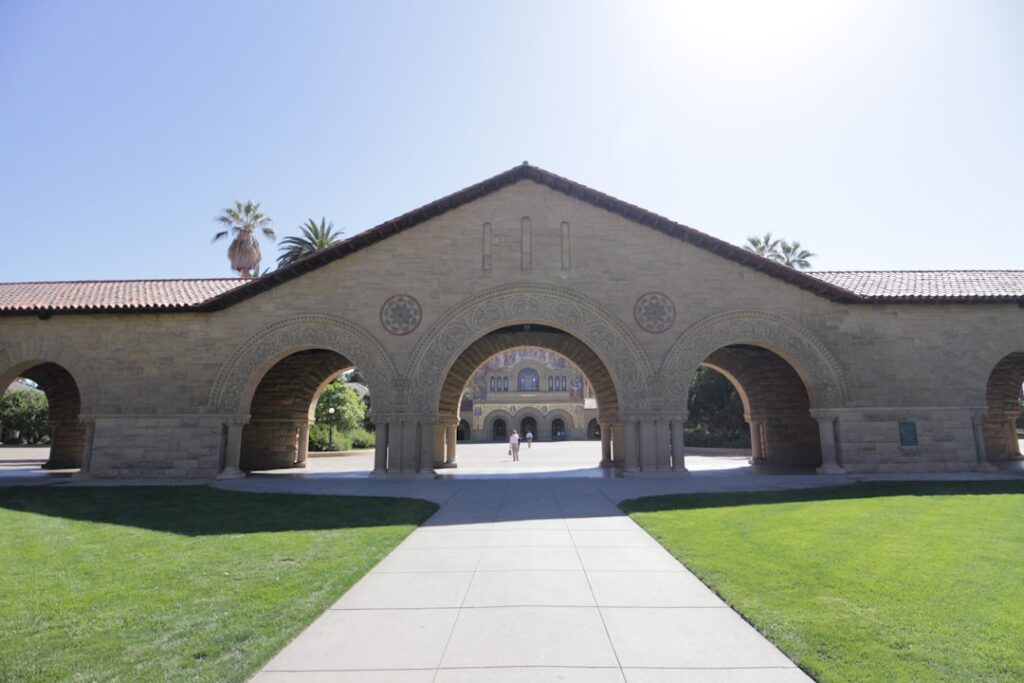
Stanford University has long cultivated a particular brand of ambition. The campus sits in the heart of Silicon Valley, where the mythology of the college dropout who became a billionaire has replaced traditional notions of success. Every student who walks through those gates carries expectations—both their own and those of the world watching closely from afar.
When a book gains traction among this specific demographic, something remarkable occurs. The narrative becomes self-reinforcing. A book about world-changing ambition gets featured in a major publication, which sparks discussion among Stanford’s student body, which generates additional media coverage, which attracts more ambitious students to Stanford in the first place, which increases the likelihood they’ll read the book. The cycle perpetuates itself with mechanical precision.
Literature as Catalyst or Mirror?
The fundamental question lingers: what role does literature actually play in shaping the trajectories of ambitious young people? Scholars might argue that books serve as catalysts—they provide frameworks for thinking, vocabulary for expressing ambition, and roadmaps for action. A well-written exploration of how to build transformative companies or organizations could plausibly redirect someone’s career path.
Yet another perspective suggests something different. Perhaps these books don’t create ambition so much as they articulate it. Students arriving at Stanford already possess world-changing aspirations. They’ve already decided they want to build, create, and lead. The book doesn’t manufacture that desire; it simply gives it shape and legitimacy.
The Media Amplification Effect
What cannot be disputed is the power of media attention to amplify whatever message a book contains. When TechCrunch, Forbes, or other influential publications cover a book about Stanford students and their ambitions, something shifts in the cultural conversation. The book becomes more than literature—it becomes a status symbol, a conversation starter, and a cultural artifact that marks one’s participation in elite circles.
This amplification effect likely matters more than the book’s actual content. A mediocre book featured prominently in major publications will influence more minds than an exceptional book languishing in obscurity. The Stanford students who “want to rule the world” may well read whatever book receives prominent coverage, not necessarily because the book is transformative, but because reading it becomes part of the identity they’re constructing.
The Uncomfortable Truth About Ambition
Here’s what we might be reluctant to acknowledge: Stanford’s most ambitious students probably don’t need a book to push them harder. They’re already pushing themselves to limits that would exhaust ordinary mortals. They’re already staying up late, already pursuing side projects, already thinking about the company they’ll found or the problems they’ll solve. They’re already dreaming about changing the world.
Adding a book to this environment might provide structure or inspiration, but it’s unlikely to fundamentally alter behavior that’s already at maximum intensity. Instead, these books may serve a different function entirely—they provide intellectual validation. They transform raw ambition into something that feels more sophisticated, more purposeful, more worthy of respect.
The Real Impact Question
So what’s the honest answer to the original question: can a book like this actually change anything? The answer probably depends on your definition of “change.” If change means redirecting someone from one ambitious path to another, the book might do that. If change means introducing someone to new ideas or perspectives they hadn’t previously considered, certainly books can accomplish that.
But if change means transforming the fundamental ambition level of Stanford’s brightest students, then the answer is almost certainly no. These students arrive pre-loaded with ambition. What they might acquire from prominent books is direction, vocabulary, and confidence that their ambitions are worthy of pursuit.
The Spotlight’s Strange Logic
Perhaps the more interesting observation is this: the spotlight probably does send more students racing to Stanford, but not because the book converted them. Rather, the attention itself becomes a signal. If major publications are writing about a book aimed at Stanford students who want to rule the world, then Stanford itself must be the place where world-ruling happens. The coverage becomes a form of marketing for the institution itself.
This suggests a more cynical but perhaps more accurate interpretation: media coverage of ambitious books aimed at Stanford students doesn’t change those students so much as it reinforces Stanford’s brand as the incubator of world-changing ambition. The book becomes almost beside the point.
Looking Forward
As Stanford continues to attract the world’s most ambitious young people, and as books continue to chronicle their ambitions, we might do well to ask tougher questions about what we’re really looking at. Are we documenting genuine transformation, or are we participating in an elaborate feedback loop that primarily serves to reinforce existing hierarchies and institutions?
The answer probably lies somewhere in between. The books may matter, the spotlight may matter, and Stanford’s students may matter most of all. What’s certain is that the conversation will continue, the books will keep appearing, and ambitious students will keep reading them—whether because the books change them or simply because that’s what ambitious Stanford students do.
This report is based on information originally published by TechCrunch. Business News Wire has independently summarized this content. Read the original article.