
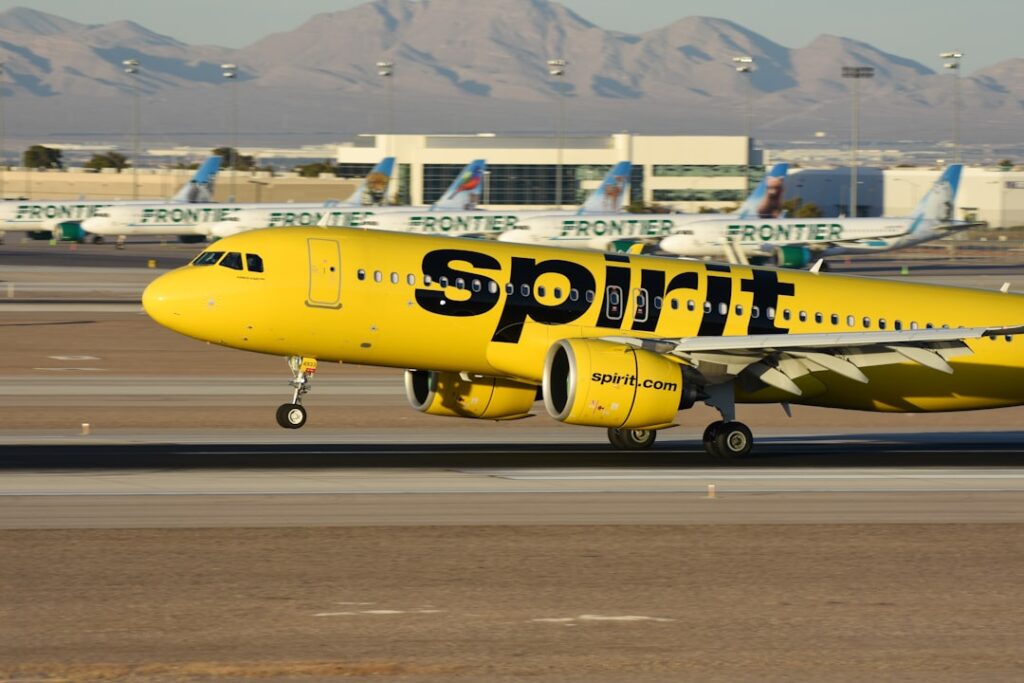
Spirit Airlines Ends Operations as Bailout Dreams Evaporate
The aviation industry is reeling from the news that Spirit Airlines, once a scrappy disruptor in the ultra-low-cost carrier space, is ceasing operations entirely. What makes this announcement particularly striking isn’t just the airline’s demise—it’s the dramatic way the final chapter unfolded, with negotiations for a substantial $500 million bailout from the Trump administration ultimately falling apart.
For years, Spirit carved out a niche in American aviation as the bare-bones alternative to legacy carriers. The airline pioneered a business model that stripped flying down to its essentials: customers paid rock-bottom fares and then were charged separately for amenities that competitors included as standard. Baggage fees, seat selection, boarding priority—Spirit monetized every conceivable aspect of the travel experience. This approach generated fierce customer loyalty among budget-conscious travelers while earning the airline widespread disdain among those who valued convenience and service.
From Maverick to Martyr: Spirit’s Troubled Recent History
In recent years, however, Spirit’s fortunes took a dramatic turn for the worse. The airline faced mounting operational challenges, soaring fuel costs, labor disputes, and an increasingly skeptical traveling public. Financial pressures mounted as the carrier struggled to maintain profitability in an industry that had become increasingly competitive and unpredictable. What was once viewed as an innovative business model began looking increasingly untenable.
The airline’s plight worsened as it attempted to merge with fellow ultra-low-cost carrier Frontier Airlines in 2022. That deal collapsed spectacularly, leaving Spirit isolated and vulnerable. Without the scale and resources that consolidation might have provided, the airline found itself fighting an uphill battle against better-capitalized competitors.
A Last-Ditch Rescue Attempt That Never Materialized
Recognizing the existential threat it faced, Spirit’s leadership pursued aggressive negotiations with the Trump administration to secure government financial assistance. A $500 million bailout package was discussed—a lifeline that, if approved, might have kept the airline aloft and operating. These negotiations represented Spirit’s final gambit, a desperate attempt to access federal support that could bridge the gap between its current operational reality and long-term viability.
However, those talks ultimately proved fruitless. The administration declined to approve the bailout package, leaving Spirit without access to the critical capital it needed to continue operations. Whether the decision hinged on political calculations, economic assessments of the airline’s viability, or other policy considerations remains unclear. What is certain is that without this funding, Spirit had no viable path forward.
The Broader Impact on Aviation and Consumers
Spirit’s shutdown has ripple effects throughout the airline industry and travel ecosystem. The airline once carried millions of passengers annually, and those customers must now find alternatives for their air travel. While competitors like Southwest, Frontier, and various legacy carriers will likely absorb some of this demand, the loss of a major ultra-low-cost option may result in higher average fares for budget-conscious travelers.
Additionally, the closure affects thousands of Spirit employees who now face unemployment. Flight attendants, pilots, ground crew, and administrative staff all find themselves seeking new employment in what, for many, will be a difficult transition.
What Spirit’s Demise Reveals About Modern Aviation
The collapse of Spirit Airlines underscores several uncomfortable truths about the contemporary airline industry. Competition in the ultra-low-cost segment has become ferocious, leaving little room for error or weathering of economic storms. The business model that once seemed revolutionary has proven fragile when faced with sustained cost pressures and market headwinds.
Furthermore, Spirit’s failed bailout demonstrates that even businesses requesting government assistance aren’t guaranteed to receive it. The decision to decline Spirit’s request suggests that policymakers may be applying stricter criteria to airline support, or that they determined the airline’s underlying business model was simply too compromised to salvage.
As the dust settles on Spirit’s closure, the airline industry faces questions about consolidation, competition, and the sustainability of various business models in an increasingly complex travel landscape. What seemed inevitable for years—that Spirit would either merge, be acquired, or face serious structural challenges—has finally come to pass, though perhaps in a more abrupt manner than anyone anticipated.
This report is based on information originally published by BBC News. Business News Wire has independently summarized this content. Read the original article.