
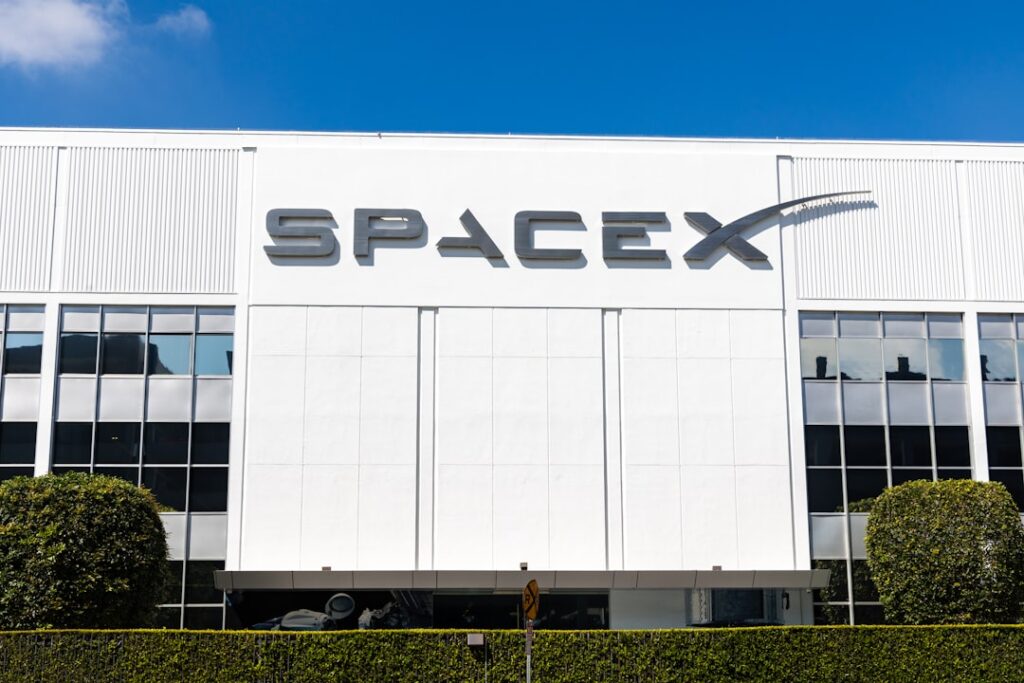
SpaceX’s Bold Gambit Reshapes AI Funding Landscape
In a dramatic turn of events that underscores the shifting power dynamics in Silicon Valley, SpaceX has successfully derailed what was shaping up to be one of the year’s most significant venture funding rounds. Cursor, the AI-focused startup, had been preparing to close a substantial $2 billion funding round this week—a deal that would have positioned the company as a major player in the rapidly expanding artificial intelligence market. However, those plans have been abruptly shelved following an extraordinarily compelling offer from Elon Musk’s aerospace and technology juggernaut.
Rather than allow Cursor to secure traditional venture capital backing, SpaceX has made a counterproposal that essentially rewrites the playbook for how tech acquisitions are negotiated. The company is offering Cursor a $10 billion “collaboration fee” upfront, coupled with what sources describe as a clear pathway toward a full acquisition valuing the startup at an eye-watering $60 billion. This strategic maneuver represents far more than a simple acquisition offer—it’s a demonstration of corporate muscle that sends shockwaves through the venture capital community and raises profound questions about the future of independent startup funding.
The Numbers Behind the Deal
The mathematics of SpaceX’s proposal are difficult to ignore. A $10 billion collaboration fee represents five times the annual revenue of most well-established software companies. When paired with the acquisition pathway, the offer effectively values Cursor’s technology, team, and market potential at $60 billion—a staggering figure that would make Cursor one of the most valuable private companies in existence, far exceeding typical venture-backed startup valuations.
To contextualize this offer: Cursor was actively seeking $2 billion in Series funding at what was presumably a lower valuation. SpaceX’s intervention not only quadrupled the immediate capital injection but also provided a guaranteed exit at a significantly higher valuation. From a pure financial perspective, no venture capital syndicate could realistically compete with these terms. The offer essentially renders traditional fundraising obsolete for Cursor’s leadership team.
What This Means for Venture Capital
The implications of SpaceX’s move extend far beyond Cursor’s executive suite. This acquisition represents a watershed moment in venture capital dynamics, particularly in the AI sector where competition for both talent and technology has reached fever pitch. Large, well-capitalized corporations now possess the ability to bypass traditional venture fundraising mechanisms entirely by simply outbidding VCs at the source.
For venture capital firms that had prepared pitches, conducted due diligence, and positioned themselves for a significant ownership stake in Cursor, this outcome must feel like a missed opportunity. More troubling for the broader VC ecosystem is what it signals about the future. When trillion-dollar companies can simply absorb promising startups at premium valuations, the traditional venture model—which depends on backing early-stage companies and nurturing them to success—faces existential pressure.
Strategic Imperatives and Market Consolidation
SpaceX’s aggressive pursuit of Cursor speaks volumes about the company’s strategic priorities. As artificial intelligence becomes increasingly central to aerospace operations, autonomous systems, and space exploration, securing cutting-edge AI talent and technology has become mission-critical. Rather than waiting for Cursor to mature as an independent company or risk losing the team to competitors, SpaceX has opted for immediate integration and control.
This approach reflects broader industry trends toward consolidation. In an era where technological advancement accelerates exponentially, the cost of developing AI capabilities in-house often exceeds the cost of acquiring proven teams and technologies. SpaceX’s offer to Cursor essentially formalizes this economic reality, putting a $60 billion price tag on the strategic value of AI innovation.
The Human Element
Beyond the headline numbers, SpaceX’s offer addresses a critical concern for any startup founders contemplating such a move: the retention of their team and vision. By structuring the deal as both a collaboration fee and an acquisition pathway, SpaceX provides flexibility and upside potential for Cursor’s employees and investors. The company’s history of maintaining acquired teams while integrating them into larger organizational structures may have made this pitch more palatable than a traditional acquisition would have been.
Cursor’s decision to halt fundraising discussions and pursue these negotiations with SpaceX ultimately represents a rational response to market conditions. When a company worth hundreds of billions of dollars identifies your startup as strategically important enough to guarantee a $60 billion exit, the calculus becomes straightforward. Few founders would decline such an opportunity in favor of the uncertain outcome of venture funding, regardless of how well-capitalized the VCs involved may be.
As this deal develops, industry observers should pay close attention. The SpaceX-Cursor dynamic may herald a new era in tech acquisitions, one where mega-cap companies increasingly bypass venture capital entirely and directly absorb promising startups at premium valuations. For the venture capital industry, this represents both a warning and an urgent call to reassess how firms create value in an era of mega-cap corporate dominance.
This report is based on information originally published by TechCrunch. Business News Wire has independently summarized this content. Read the original article.