
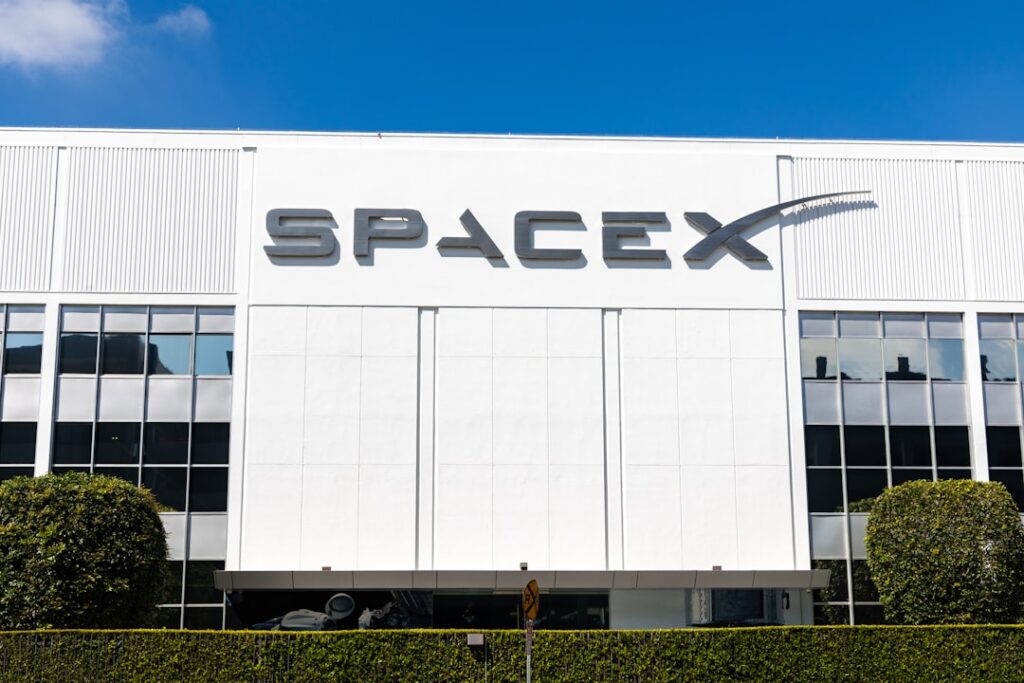
SpaceX Makes Bold Pre-IPO Play for AI Coding Startup Cursor
In a move that epitomizes Elon Musk’s unconventional approach to corporate strategy, SpaceX has positioned itself to acquire Cursor, the rapidly ascendant artificial intelligence coding platform, for a staggering $60 billion. This transaction represents far more than a simple business acquisition—it signals a fundamental shift in how aerospace companies view the integration of advanced artificial intelligence into their core operations, and it raises intriguing questions about the timing and rationale behind such a colossal investment on the eve of what many expect to be SpaceX’s eventual initial public offering.
The Strategic Rationale Behind the Massive Valuation
At first blush, the $60 billion price tag appears extraordinarily ambitious for a startup in the AI-assisted coding space. Yet the valuation becomes far more comprehensible when one considers the transformative potential of Cursor’s technology within SpaceX’s operational ecosystem. The aerospace manufacturer faces persistent engineering challenges that demand continuous innovation in software development, autonomous systems, and real-time data processing. Cursor’s advanced AI capabilities, which enable developers to write code more efficiently and with fewer errors, address precisely these needs at an organizational scale where marginal improvements compound into massive competitive advantages.
SpaceX’s ambitions extend across multiple fronts: perfecting Starship landings, developing autonomous navigation systems, managing satellite constellations, and optimizing ground control software. Each of these domains relies heavily on sophisticated software engineering. By acquiring Cursor, SpaceX wouldn’t merely gain access to existing technology—it would effectively control the talent pool, intellectual property, and research direction of one of the most innovative AI platforms currently transforming software development practices across the industry.
IPO Timing Raises Eyebrows Across Wall Street
The decision to pursue such a substantial acquisition before going public strikes many industry observers as audacious, if not reckless. Typically, companies preparing for IPO roadshows endeavor to present clean balance sheets, predictable revenue streams, and conservative capital allocation strategies. They certainly don’t announce $60 billion acquisition options that could materially alter their financial profile and distract from their core narrative to potential investors.
Yet this unconventional approach carries a certain logic if viewed through the lens of Musk’s historical playbook. By securing the acquisition option now, SpaceX potentially locks in terms before Cursor’s valuation skyrockets following inevitable venture funding rounds or competitive bidding wars. It’s a high-stakes gambit that presumes SpaceX’s future capital position—whether through IPO proceeds or other financing mechanisms—will dwarf current challenges. The company essentially positions itself to exercise the option when market conditions prove most favorable, potentially after demonstrating successful Starship flights or other milestone achievements that would justify the astronomical price to public investors.
Cursor’s Prominence in the AI-Coding Renaissance
Cursor has emerged as one of the defining success stories of the artificial intelligence revolution. The platform leverages large language models to assist programmers in writing, testing, and debugging code with unprecedented speed and accuracy. In an environment where software talent remains perpetually scarce and engineering velocity increasingly determines competitive outcomes, Cursor’s capabilities position it as genuinely transformative technology rather than incremental improvement.
The startup has attracted considerable attention from developers worldwide, with adoption accelerating dramatically across enterprises and independent practitioners alike. For SpaceX specifically, integrating such capabilities throughout its engineering organization could meaningfully reduce development cycles, minimize costly errors in mission-critical systems, and amplify the productivity of its already world-class engineering teams.
What This Signals About SpaceX’s Future
This acquisition option reveals SpaceX’s strategic mindset as it approaches a potential public market debut. Rather than presenting itself as a pure aerospace play confined to launching rockets and deploying satellites, SpaceX envisions itself as a technology powerhouse where software, artificial intelligence, and advanced engineering converge. An acquisition of this magnitude would telegraph to investors that SpaceX possesses not just visionary leadership but also the financial resources and strategic clarity to reshape its competitive position through transformative deals.
For now, SpaceX holds an option—a financially disciplined approach that preserves flexibility while securing access to transformative technology. Whether the company ultimately exercises this option will depend on numerous variables: Cursor’s continued performance, SpaceX’s capital position, regulatory considerations, and broader market conditions. But one certainty remains: this move perfectly encapsulates the audacious risk-taking that defines Musk’s approach to building future-oriented organizations.
This report is based on information originally published by TechCrunch. Business News Wire has independently summarized this content. Read the original article.