
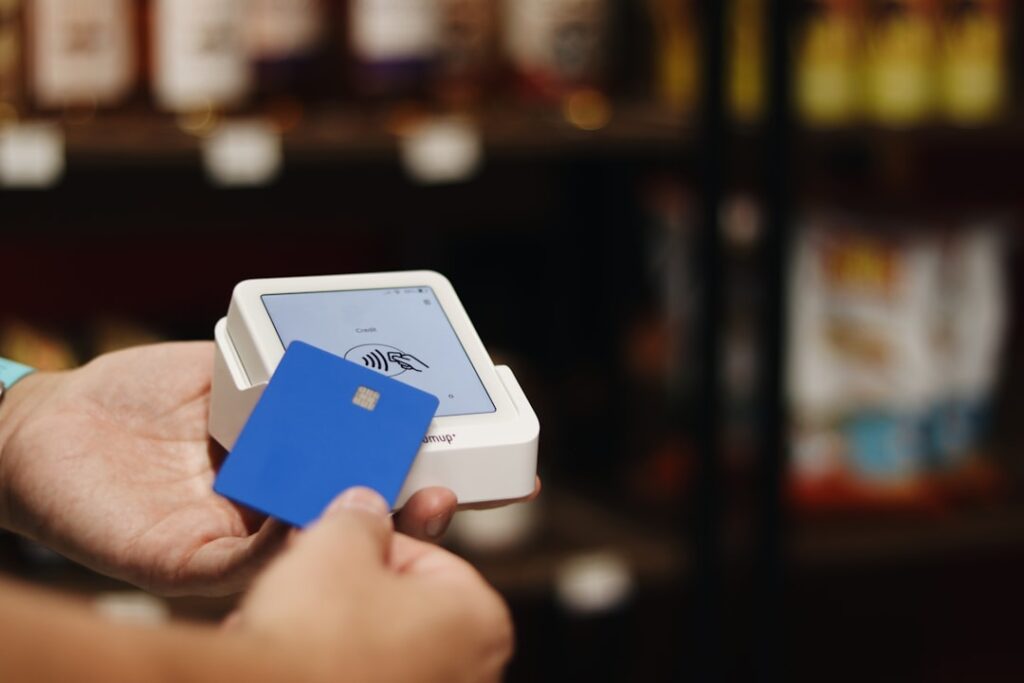
The Modern Business Case for Reward Card Software
In today’s hyper-competitive retail landscape, businesses face an uncomfortable truth: acquiring new customers costs significantly more than retaining existing ones. Enter reward card software—a strategic investment that tackles customer loyalty with surgical precision. This technology doesn’t just track purchases; it fundamentally reimagines how businesses interact with their customer base, creating measurable pathways to increased lifetime value and sustainable growth.
Reward card software represents more than a nice-to-have feature in modern point-of-sale systems. It’s a comprehensive solution designed to automate what was once manual, fragmented, and inefficient loyalty program management. By leveraging real-time data and intelligent automation, this software empowers businesses to make informed decisions about customer engagement while simultaneously eliminating the administrative burden of manual reward tracking.
Decoding How Reward Card Software Actually Works
Understanding the mechanics of reward card software requires examining three interconnected components: identification, tracking, and redemption. When a customer enrolls in a loyalty program, the system assigns them a unique identifier—traditionally a physical card number, increasingly a digital ID linked to their account. This identifier becomes the foundation for all subsequent transactions and reward accumulation.
During each purchase, the software instantly recognizes the customer’s unique identifier and processes reward calculations according to predetermined rules. These rules might reward points based on purchase amount, transaction frequency, specific product categories, or time-based promotions. The automation ensures consistency while eliminating human error from the calculation process.
The system maintains a real-time ledger of each customer’s reward balance, updated immediately upon transaction completion. This transparency allows customers to see their progress toward redemption targets, creating psychological incentives for continued engagement. When customers decide to redeem their accumulated points or unlock discounts, the software deducts the appropriate value and processes the transaction seamlessly.
Integration With Your Existing Point of Sale Infrastructure
One of the primary advantages of modern reward card software is its ability to integrate directly with existing Point of Sale systems. Rather than requiring complete system overhauls, this software works within your current technological ecosystem. The integration enables real-time synchronization between transaction data and customer reward accounts, eliminating delays and ensuring accuracy.
This seamless integration provides several operational benefits. Transaction data flows automatically from your POS to the rewards system, eliminating manual entry and associated errors. Customer service representatives can instantly access reward balances and transaction history without switching between systems. The unified approach creates a smoother experience for both staff and customers.
Furthermore, integrated systems provide comprehensive visibility across your entire operation. Whether customers shop at a single location or multiple branches, the software maintains a consolidated view of their purchasing patterns and reward status. This capability proves especially valuable for businesses operating multiple locations or considering expansion.
Customization: Building Loyalty Programs That Reflect Your Brand
Cookie-cutter loyalty programs rarely generate the engagement required for meaningful business impact. Sophisticated reward card software recognizes this reality by offering extensive customization options. Businesses can design tiered reward structures where customers unlock progressively better benefits as they spend more, creating natural escalation paths.
Point multiplier strategies allow seasonal promotions without reprogram entire systems. During peak shopping periods, a business might offer double or triple points, driving volume without permanently diluting profit margins. Alternatively, businesses can create category-specific multipliers that encourage purchases in higher-margin product lines or seasonal inventory.
Some businesses implement surprise-and-delight mechanics, where certain transactions trigger bonus points or random rewards. These unexpected benefits create positive emotional associations with the brand and encourage social sharing. Others develop partnership opportunities where customers earn points with affiliated businesses, expanding the reward ecosystem and increasing perceived value.
The Data Intelligence Advantage
Beyond operational efficiency, reward card software generates invaluable business intelligence. Advanced reporting features track customer behavior patterns, revealing which segments purchase most frequently, spend highest amounts, and show greatest lifetime value. This segmentation enables precisely targeted marketing campaigns that speak directly to customer preferences and demonstrated interests.
Predictive analytics identify churn risk before customers actually leave. When a loyal customer’s purchase frequency drops below historical norms, the system flags this change, enabling proactive intervention. Perhaps a personalized discount or special offer can rekindle engagement before that customer defects to competitors.
Sales trend analysis reveals which products drive repeat purchases and which attract single-transaction customers. This intelligence directly informs inventory management, merchandising decisions, and product selection strategies. Rather than relying on intuition, business leaders make evidence-based decisions grounded in actual customer behavior.
Building Lasting Customer Relationships Through Strategic Rewards
The ultimate purpose of reward card software transcends mechanical point accumulation. It exists to cultivate genuine customer relationships that withstand competitive pressure and market fluctuations. When properly implemented, these programs communicate a clear message: we value your business and recognize your loyalty.
Customers who feel appreciated develop emotional connections to brands that extend beyond transactional relationships. They become advocates who recommend businesses to friends and family. They demonstrate greater tolerance for occasional service failures because the relationship foundation extends deeper than any single interaction.
This psychological shift—from transactional customer to valued community member—represents the true power of reward card software. The technology provides the infrastructure, but business leaders provide the strategic vision that transforms that infrastructure into meaningful competitive advantage.
Practical Implementation Considerations
Successful reward card software deployment requires more than simply installing the technology. Businesses must communicate program benefits clearly, remove friction from enrollment processes, and consistently deliver on promised rewards. Staff training ensures every team member understands the program and can answer customer questions confidently.
Initial setup decisions about point values, redemption thresholds, and tier structures have lasting implications. Overly generous programs erode profitability, while stingy programs fail to generate meaningful engagement. The optimal balance varies by industry, customer demographics, and competitive context.
Marketing the loyalty program itself requires strategic planning. Many businesses dedicate resources to promoting program benefits, recognizing that technology sitting idle generates no returns. Effective promotion emphasizes customer benefits rather than company requirements.
The Bottom Line
Reward card software represents a foundational investment for businesses serious about customer retention and sustainable growth. By automating loyalty program management, providing actionable business intelligence, and creating frameworks for personalized customer engagement, this technology delivers returns that justify its investment many times over. In markets where customer acquisition costs continue climbing, the ability to profitably retain and grow existing customer relationships has become less a luxury and more an operational necessity.
This report is based on information originally published by Small Business Trends. Business News Wire has independently summarized this content. Read the original article.