
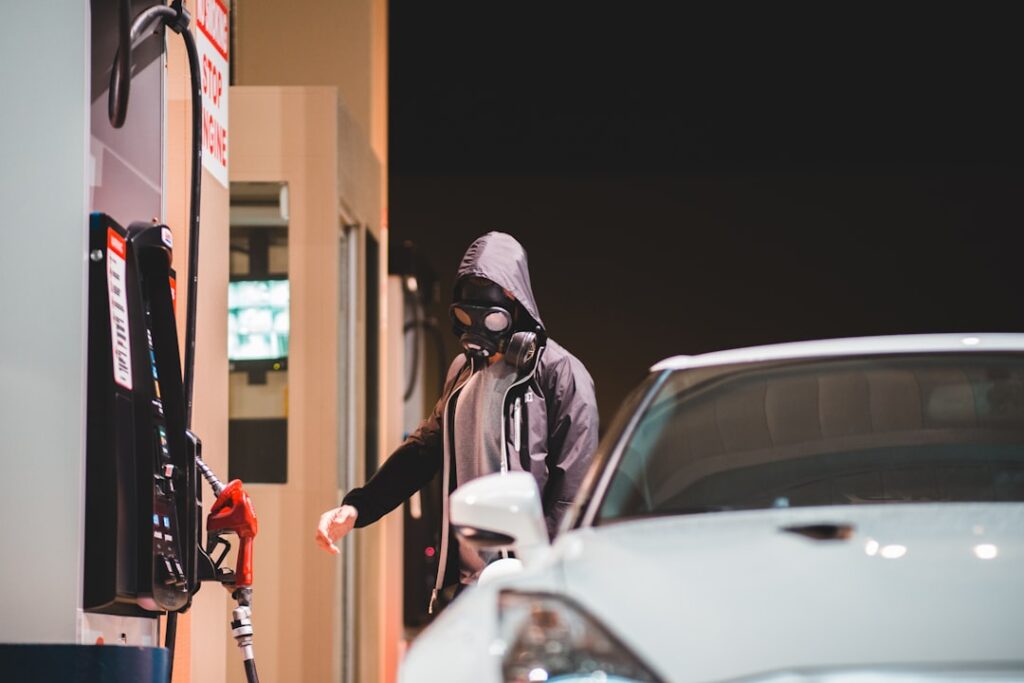
The Perfect Storm: How Geopolitics and Economics Collide at the Pump
The intersection of global politics and everyday economics rarely manifests more visibly than at the fuel pump. Yet that’s precisely where we’re witnessing a troubling trend unfold. Petrol theft has skyrocketed by approximately 62% compared to last year, creating a cascading crisis that affects everyone from individual commuters to large-scale logistics operations. The culprit behind this surge? Escalating tensions centered on Iran, which have sent fuel costs spiraling upward and created the perfect conditions for criminal opportunism.
This isn’t simply a matter of thieves taking advantage of commodity price fluctuations. Rather, it represents a fundamental shift in how economic desperation and geopolitical instability intersect to reshape criminal behavior. When fuel becomes scarce and expensive, the incentive structure for theft fundamentally changes. What was once a niche criminal operation has evolved into a widespread phenomenon affecting fuel distributors, retailers, and consumers alike.
Understanding the 62% Explosion in Fuel Theft
The statistics tell a stark story. A 62% increase in petrol theft year-over-year isn’t a marginal bump or a statistical anomaly—it represents a dramatic reshaping of criminal enterprise in the energy sector. This explosive growth suggests that the threshold at which theft becomes economically rational has been crossed, not just for organized criminal enterprises, but potentially for individuals and smaller operations as well.
The mechanics of this increase deserve examination. As Iran-related geopolitical tensions mount, they destabilize global oil markets. Supply chain uncertainties, actual disruptions to shipping routes, and market anxiety all converge to push fuel prices higher. For those operating on the margins of the economy, fuel costs represent a significant portion of their operational or household expenses. This creates dual pressures: legitimate demand for fuel at more affordable prices and the economic incentive for criminals to steal and redistribute fuel through illicit channels.
Iran’s Role in the Global Energy Crisis
Iran occupies a peculiar position in the global energy landscape. As a significant oil producer, the nation’s political instability sends shockwaves through international markets. When tensions rise—whether through sanctions, military posturing, or direct conflict—the market’s reaction is immediate and severe. Traders and suppliers, operating under conditions of uncertainty, bid up prices as a hedge against potential supply disruptions.
This mechanism, while economically rational from a market perspective, creates real hardship for energy consumers across the globe. Those in developing nations, emerging economies, and even developed countries feel the pinch differently. For some, higher fuel costs are an inconvenience. For others, they represent an impossible burden that forces difficult choices between heating, transportation, and other essentials.
The Ripple Effects Across Supply Chains and Communities
The consequences of elevated fuel theft extend far beyond the crime statistics. Fuel retailers and distributors face real operational challenges as theft compounds their already-compressed margins. Insurance costs rise, security expenses increase, and operational inefficiencies mount. These costs don’t disappear—they’re absorbed into supply chains and eventually passed along to consumers who foot the bill through higher prices.
Transportation and logistics companies face particular vulnerability. For operations dependent on fuel supplies, theft represents both an operational disruption and a cost driver. Some businesses respond by implementing more robust security measures, further increasing their operational expenses. Others absorb the losses directly, affecting profitability and potentially job security for employees.
Consumer Impact and Market Volatility
Perhaps most immediately felt is the consumer impact. Higher fuel prices already strain household budgets; fuel theft and its associated costs layer additional expense onto an already challenging situation. The relationship between theft, supply disruption, and pricing creates a vicious cycle where criminal activity and legitimate market forces reinforce each other, pushing prices higher and making fuel less accessible to those with limited resources.
The 62% year-over-year increase in petrol theft stands as a symptom of deeper systemic issues. It reflects how geopolitical events in one region can transform criminal behavior patterns globally, how economic desperation intersects with opportunity, and how energy security remains fundamentally intertwined with political stability. Until these underlying tensions ease, we should expect this troubling trend to persist.
This report is based on information originally published by BBC News. Business News Wire has independently summarized this content. Read the original article.