
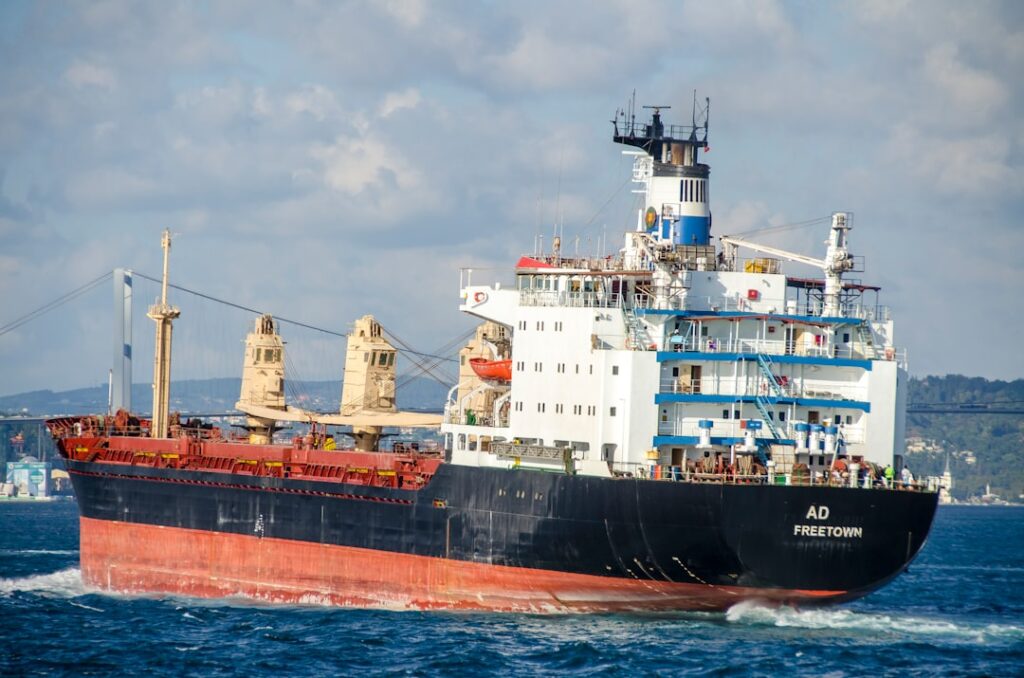
Oil Markets Breathe Easier as Iran Opens Critical Shipping Lane
The global oil market received a shot in the arm this week as Iran made a pivotal announcement regarding one of the world’s most strategically important waterways. The Strait of Hormuz, a chokepoint through which roughly one-fifth of the world’s petroleum supply flows daily, would remain open for commercial traffic throughout the duration of the ongoing ceasefire, according to Iranian officials. The declaration sent shockwaves through energy markets, with Brent crude oil prices tumbling by approximately ten percent in response to the news—a dramatic move that underscored just how tightly wound investor nerves had become.
For traders and energy analysts who had been bracing for potential supply disruptions, Iran’s commitment to keep the strategic waterway operational represented a significant de-escalation of tensions. The Strait of Hormuz serves as a vital conduit for crude oil exports from the Persian Gulf, making any threat to its accessibility an immediate concern for global energy security and economic stability. The mere possibility of disruption typically sends shivers through commodity markets, driving up prices as investors scramble to price in risk premiums. This week’s announcement essentially removed that cloud of uncertainty—at least temporarily.
Understanding the Strategic Importance of the Strait
The significance of the Strait of Hormuz cannot be overstated for global markets. Every single day, enormous tankers carrying millions of barrels of oil navigate through these waters, destined for refineries across Asia, Europe, and beyond. Any prolonged closure or even substantial disruption would have immediate and far-reaching consequences for energy prices worldwide and, by extension, inflation pressures on consumer goods and transportation costs. This reality explains why even hints of trouble in the region have historically triggered swift market reactions.
Iran’s willingness to keep the waterway open during the ceasefire period demonstrates a recognition of the economic interdependencies that bind modern markets together. While geopolitical tensions remain real and underlying disputes have not evaporated, the practical acknowledgment that global commerce must continue provides investors with a modicum of confidence. It’s a delicate balance—one that can shift dramatically should circumstances change.
Market Implications and the Broader Energy Landscape
The ten percent decline in Brent crude represents more than just a number on an exchange screen. It reflects the collective judgment of thousands of traders worldwide that immediate supply risk has diminished. For consumers, lower crude prices can eventually translate into relief at the gas pump, though the journey from wellhead to filling station involves numerous intermediaries and processing steps. For businesses dependent on energy costs, the price movement offers a potential respite from elevated operational expenses.
Energy analysts have been quick to note that while this week’s announcement is positive, it carries an important caveat: the security of the Strait remains conditional upon the continuation of the ceasefire. Should hostilities resume or tensions escalate, the current assurances would evaporate just as quickly as they materialized. The market is essentially pricing in a period of stability, with the understanding that this stability has a built-in expiration date—the duration of the current truce.
What This Means for Global Energy Markets
The ripple effects of this price movement extend far beyond the oil sector. Airline stocks typically benefit when energy costs decline, as fuel represents a substantial portion of operating expenses for carriers. Shipping companies face similar dynamics. Conversely, energy stocks may face headwinds as lower oil prices compress profit margins for producers, at least in the near term. The interconnectedness of modern markets means that a single geopolitical development can create winners and losers across multiple sectors and geographies.
For policymakers and central banks monitoring inflation, lower energy prices provide welcome relief to their efforts to combat price increases. Energy represents a crucial component of inflation indices, and when crude costs decline, it generally supports lower overall inflation readings. This, in turn, could influence decisions around interest rates and monetary policy—decisions that affect everything from mortgage rates to employment levels.
Looking Ahead: Uncertainty Remains
While this week’s news represents a positive development for global markets, it would be naive to assume that the underlying tensions in the region have been resolved. The ceasefire itself remains a temporary measure, and history demonstrates that arrangements in this region can prove fragile. Investors and analysts will continue monitoring the situation closely, watching for any signs that the current détente might unravel.
For now, however, the market has spoken: with the Strait of Hormuz confirmed open and commerce flowing freely, energy markets can settle into a more stable footing. Whether that stability proves durable depends on events that remain largely outside the control of traders and corporate executives. What’s certain is that the global economy will continue watching the Persian Gulf closely, understanding that what happens there matters everywhere.
This report is based on information originally published by BBC News. Business News Wire has independently summarized this content. Read the original article.