
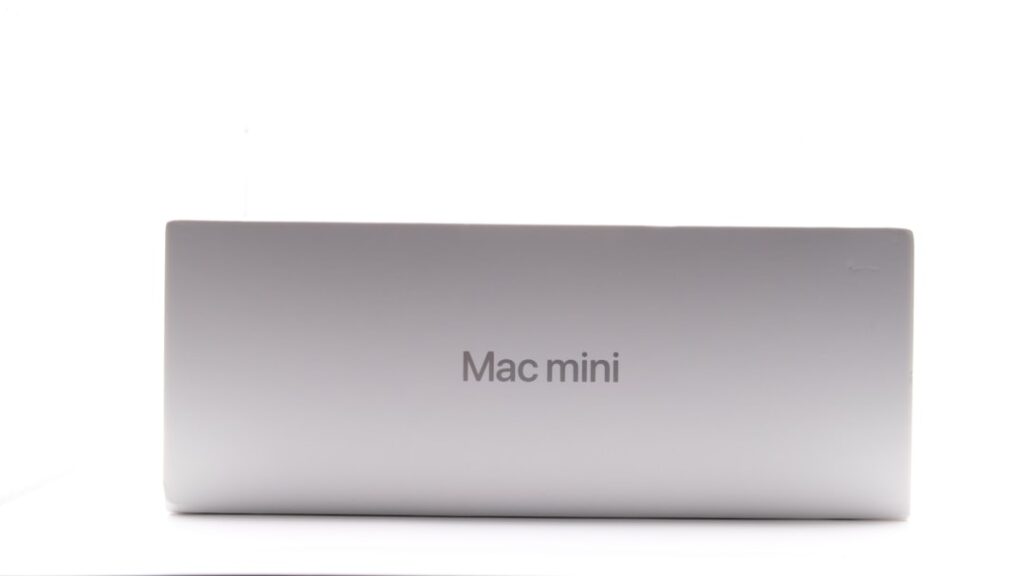
The Unexpected AI-Driven Shortage Reshaping Apple’s Hardware Market
In a striking twist that few predicted, Apple’s Mac mini—the company’s diminutive desktop computer that has long occupied a modest corner of its product ecosystem—has become the hottest commodity in consumer electronics. What began as standard product demand has escalated into a full-blown shortage scenario, complete with opportunistic resellers listing marked-up units on eBay at prices that would make any Apple retail manager wince.
The culprit behind this unexpected upheaval? The artificial intelligence revolution. As developers, researchers, and hobbyists worldwide scramble to experiment with local AI model deployment, they’ve discovered that the Mac mini offers an elegant combination of performance, affordability, and compact form factor that makes it ideal for running sophisticated machine learning applications without the enterprise-grade price tag of larger systems.
When Niche Demand Meets Supply Chain Reality
The speed at which the Mac mini has transitioned from a steady seller to an out-of-stock item across Apple’s official channels demonstrates just how rapidly emerging technological trends can disrupt traditional consumer electronics markets. What was once a computer primarily targeted at professionals requiring a small-footprint desktop or creative enthusiasts seeking an affordable entry point to Apple’s ecosystem has suddenly captured the imagination of an entirely different demographic: AI practitioners building local inference systems.
The shortage has created a perfect storm of conditions that secondary market resellers dream about. With official channels depleted and demand showing no signs of abating, eBay has become flooded with listings offering Mac minis at substantial markups over their original retail price. Savvy buyers who managed to secure units through official channels or earlier inventory windows are now cashing in on the scarcity, while desperate purchasers—unable to obtain units through traditional retail—are left with limited options.
The Economics of AI-Driven Hardware Demand
This phenomenon reflects a broader reality in the current technology landscape: artificial intelligence has transitioned from academic curiosity to practical tool with immediate real-world applications. The availability of open-source large language models and machine learning frameworks has democratized AI development, enabling individuals and small teams to run sophisticated models locally rather than relying exclusively on cloud-based services.
For those applications, the Mac mini’s specifications prove surprisingly compelling. The computer’s Apple Silicon chips deliver impressive computational performance in a power-efficient package, while the compact design means minimal space requirements for developers setting up lab environments or small production systems. Unlike larger tower systems or server hardware, the Mac mini fits naturally on a desk or in a lab without requiring specialized infrastructure.
eBay’s Secondary Market Tells the Real Story
The explosion of marked-up listings on eBay serves as an unfiltered barometer of genuine market demand. Unlike official retail channels that might obscure demand signals through inventory management strategies, the secondary market responds immediately to supply-demand imbalances. Resellers only mark up prices when they’re confident buyers will pay premium rates, which speaks volumes about how desperately the AI community wants Mac minis right now.
This reseller activity also highlights a frustration point for legitimate purchasers. Those seeking Mac minis for genuine AI development work now face a choice between waiting for official stock to replenish or paying substantial premiums to secondary market sellers. The price inflation isn’t merely inconvenient—it represents real friction in the path to innovation, potentially slowing some projects or pushing budget-conscious teams toward competing hardware platforms.
What This Means for Apple and the Broader Tech Ecosystem
For Apple, the Mac mini shortage represents both an opportunity and a challenge. On one hand, the surge in demand validates the product’s viability and relevance in cutting-edge technology conversations. The company’s designers created a machine that perfectly suits emerging use cases, and market demand has validated that vision.
However, the company also faces reputational risks when its products consistently sell out and secondary market prices soar. Customers frustrated by unavailability might explore alternatives from competitors, and developers building on Mac minis today might develop platform loyalty that follows them into larger purchasing decisions tomorrow.
The Mac mini shortage ultimately tells a compelling story about how rapidly technology markets evolve. A product positioned for one demographic has suddenly become essential infrastructure for an entirely different community, revealing the unpredictable intersection of hardware design, technological innovation, and market demand that defines modern consumer electronics.
This report is based on information originally published by TechCrunch. Business News Wire has independently summarized this content. Read the original article.