
How Middle East Tensions Could Hit Your Wallet
The Bank of England has sounded an alarm that demands our attention. In its latest comprehensive report, Britain’s central bank has identified a troubling chain of economic consequences stemming from escalating tensions in Iran. The implications ripple far beyond foreign policy debates—they threaten the financial stability of millions of ordinary British households. Whether you’re struggling with a mortgage, worried about your job prospects, or dreading the next energy bill, the potential fallout from this geopolitical crisis deserves serious consideration.
The warnings aren’t based on speculation or worst-case scenarios. Rather, the Bank of England’s analysis presents a sobering assessment of how interconnected our global economy has become. When tensions flare in one of the world’s most strategically important regions, the effects cascade through oil markets, inflation rates, and ultimately, right into the monthly budgets of families across the United Kingdom.
The Mortgage Squeeze: Rising Rates in Uncertain Times
Perhaps the most immediate concern for homeowners centers on mortgage rates. The Bank of England’s assessment suggests that geopolitical uncertainty in Iran could place upward pressure on interest rates globally. For those with variable-rate mortgages or those planning to remortgage, this represents a genuine financial threat. The already challenging housing market could become even more difficult to navigate.
The mechanism at work here is straightforward: when global uncertainty increases, investors become nervous. This nervousness drives up borrowing costs across the board. Banks become more cautious about lending, and when they do lend, they charge more. Mortgage applicants could find themselves facing higher rates than they’d anticipated, potentially adding hundreds of pounds to annual payments just when household budgets are already stretched.
The timing couldn’t be worse. With many Britons still recovering from years of pandemic-related financial pressures and dealing with inflation that has eroded purchasing power, the prospect of climbing mortgage costs adds another layer of anxiety to homeownership. First-time buyers, already priced out of many markets, face an even steeper mountain to climb.
Employment Uncertainty: When Geopolitics Meets Job Markets
Beyond mortgages, the Bank of England’s report highlights genuine employment risks. Economic uncertainty typically triggers business caution. Companies postpone expansion plans, delay hiring decisions, and become more conservative about wages when they can’t predict their operating environment with confidence. Middle Eastern tensions create precisely this kind of unpredictability.
Certain sectors face particular vulnerability. Aviation, tourism, and international trade industries could experience significant disruption if regional tensions escalate further. Manufacturing firms dependent on global supply chains may find their operations complicated by potential shipping route disruptions. Workers in these sectors should prepare themselves for potential job market headwinds.
Even those in seemingly insulated industries shouldn’t feel complacent. A broader economic slowdown triggered by geopolitical concerns could ripple through the entire employment landscape. Recruitment freezes and redundancy rounds often follow periods of heightened uncertainty.
Energy Bills: The Price at the Pump and Beyond
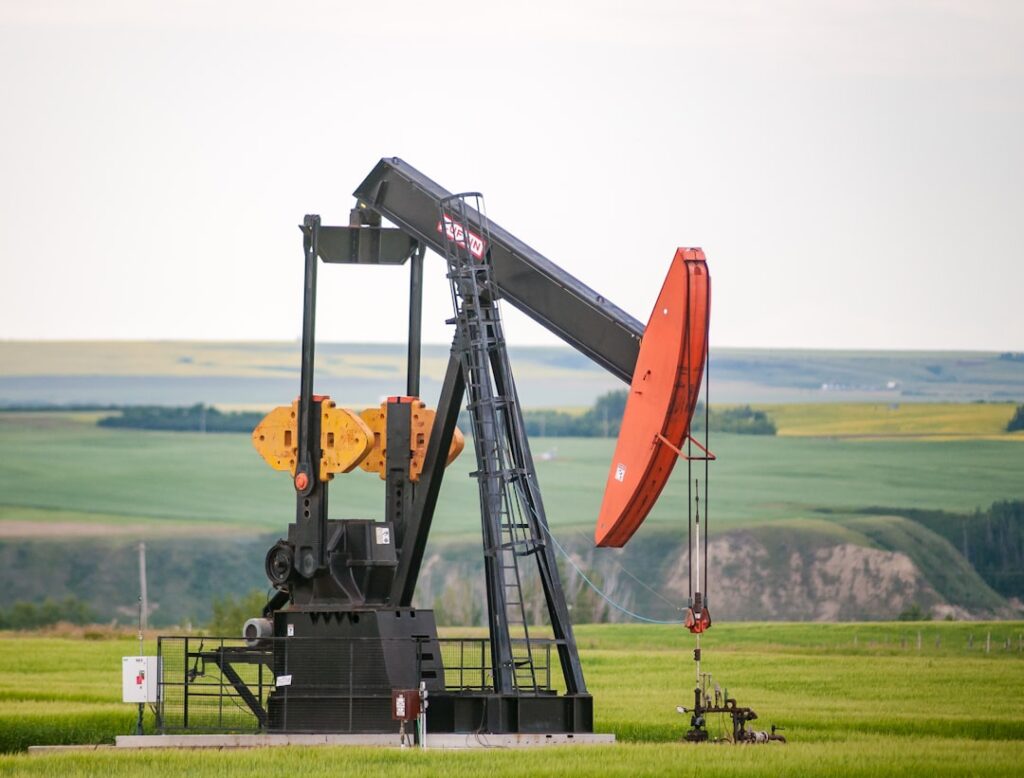
Perhaps the most tangible and immediate threat centers on energy costs. Iran sits atop vast oil reserves, and any disruption to Middle Eastern oil production sends shockwaves through global energy markets. Crude oil prices spike when supply appears threatened, and those increases quickly translate into higher petrol prices at the pump and elevated heating costs for homes across Britain.
For households already struggling with energy bills that have climbed dramatically in recent years, this prospect is genuinely frightening. The energy crisis that battered British families in 2022 and 2023 remains fresh in collective memory. The possibility of another surge in heating and fuel costs—driven by events beyond domestic control—adds a painful new dimension to winter anxieties.
Renewable energy developments offer some insulation from petroleum-based price shocks, but the transition remains incomplete. Until Britain’s energy infrastructure fully embraces alternatives, vulnerability to Middle Eastern supply disruptions persists.
What Should Households Do Now?
The Bank of England’s warnings aren’t intended to panic the public but rather to inform decision-making. Households would be wise to consider their exposure across these three critical areas: mortgages, employment, and energy costs. Those with variable-rate mortgages might explore fixed-rate options while rates remain manageable. Workers should assess their sector’s vulnerability and update their skills accordingly. Families might review energy efficiency measures that could reduce consumption and protect against price spikes.
The geopolitical landscape remains fluid and uncertain. What’s certain is that the British economy doesn’t exist in isolation. Global events have local consequences, and the Bank of England is rightly focused on helping citizens understand these connections.
This report is based on information originally published by BBC News. Business News Wire has independently summarized this content. Read the original article.