
What is Blockchain Technology?
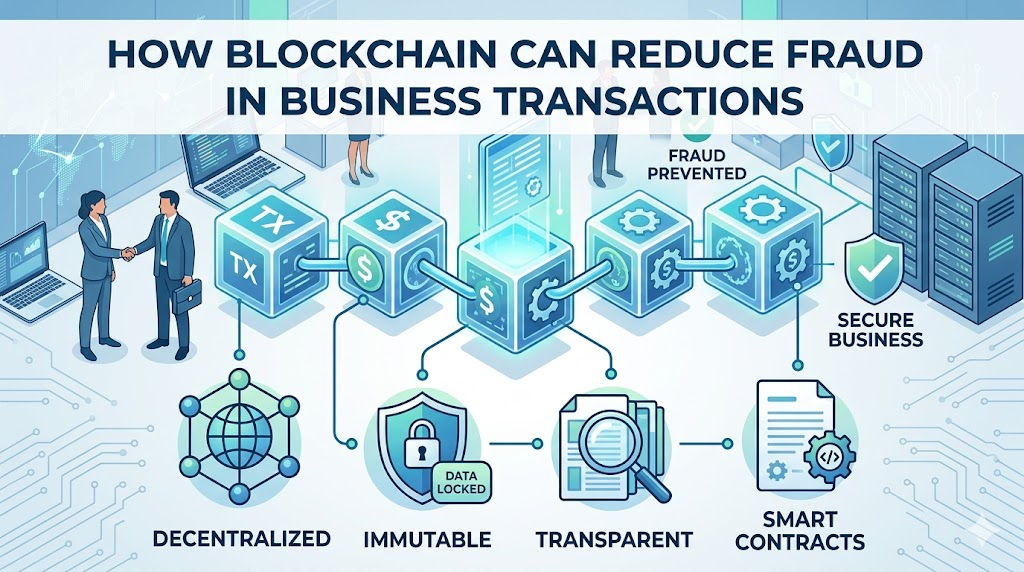
Blockchain is a decentralized, immutable ledger using cryptographic hashing where Bitcoin processes 7 transactions per second across 15,000+ nodes worldwide. This technology records transactions across many computers, ensuring no single entity controls the data. It contrasts with traditional centralized databases by distributing control.
The core of blockchain lies in its distributed ledger technology (DLT), where each participant holds a full copy of the ledger. Blocks are linked using SHA-256 hashes, creating a chain where altering one block breaks the links to others. This setup provides immutability and prevents tampering.
Consensus mechanisms like Proof of Work or Proof of Stake validate transactions. Miners or validators compete to add blocks, achieving agreement across the network. Satoshi Nakamoto’s 2008 whitepaper introduced this for Bitcoin, enabling trustless systems without intermediaries.
Smart contracts automate agreements on platforms like Ethereum. They execute when conditions are met, supporting applications in business transactions. A simple diagram shows the genesis block as the starting point, feeding into a Merkle tree for efficient verification, then chaining blocks with a nonce for security.
The Scale of Fraud in Modern Business Transactions
Global fraud losses reached $5.8 billion in 2023, with 52% of businesses experiencing invoice fraud averaging $100K per incident. Occupational fraud alone costs businesses $4.7 trillion annually, according to PwC reports. These figures highlight the urgent need for solutions like blockchain in business transactions.
Payment fraud resulted in $41 billion losses in 2022, as noted by LexisNexis. B2B invoice fraud surged 25% post-COVID, often through fake invoices or altered payment details. Companies face repeated hits from such schemes in daily operations.
Supply chain fraud affects 15% of companies, per EY 2023 findings, involving counterfeit goods or falsified provenance. Industries like manufacturing and retail suffer most from these issues. Distributed ledger technology offers tamper-proof records to combat this.
| Fraud Type | Annual Loss | Common Methods | Industries Hit Hardest |
| Occupational Fraud | $4.7T | Asset misappropriation, corruption | Finance, retail |
| Payment Fraud | $41B (2022) | Phishing, account takeover | E-commerce, banking |
| Supply Chain Fraud | N/A | Counterfeiting, false invoicing | Manufacturing, logistics |
| B2B Invoice Fraud | N/A | Fake vendor creation, duplicate payments | All sectors |
Why Traditional Systems Fail Against Fraud
Centralized databases like SQL servers represent 68% of cyber breaches due to single points of failure, per Verizon’s 2023 DBIR. These systems store all data in one place, making them easy targets for hackers. Once breached, fraudsters can alter records without detection.
Traditional systems suffer from several key failure modes that enable fraud in business transactions. Mutable ledgers allow alterations, such as editing bank statements to inflate balances. Trusted third parties introduce risks, like the 2016 Bangladesh Bank heist via SWIFT where $81 million vanished.
Other issues include delayed reconciliation, such as T+2 settlement cycles that leave gaps for manipulation, and insider threats seen in scandals like Enron’s accounting fraud. These vulnerabilities rely on centralized control and human oversight. In contrast, blockchain’s tamper-proof design uses distributed ledger technology to prevent such exploits.
Blockchain achieves this through immutability and cryptographic security, where each transaction links via hash chains in a public ledger. Once added, records cannot change without network consensus, eliminating single points of failure. This fosters trustless systems for secure business transactions and fraud reduction.
Core Blockchain Features That Combat Fraud
Blockchain’s core features provide mathematical guarantees against fraud. These include immutability, decentralized consensus, cryptographic security, and smart contracts. Ethereum’s smart contracts executed value securely in 2023.
These features target common fraud vectors in business transactions, such as tampering and double-spending. Immutability ensures tamper-proof records. Consensus mechanisms enable trustless validation across peer-to-peer networks.
Cryptographic tools prevent forgery through digital signatures. Smart contracts automate enforcement, reducing intermediary risks. Later sections detail these with mechanisms for fraud reduction.
Immutability of Distributed Ledger
Once written, blockchain transactions cannot be altered without 51% network control, requiring immense computational power for networks like Bitcoin. This distributed ledger technology uses chaining to protect data. Altering early blocks demands recalculating all subsequent ones.
SHA-256 hashing creates strong collision resistance in each block. Merkle trees allow efficient verification of data integrity without full downloads. Network difficulty adjusts every 2016 blocks to maintain block times.
After six confirmations, chain reorganization becomes highly improbable. Businesses benefit from audit trails that provide real-time validation. For example, supply chain records track provenance without alteration risks.
This immutability supports fraud detection in invoice and payment fraud. Companies use it for tamper-proof financial records. Experts recommend it for maintaining data integrity in high-value transactions.
Decentralized Consensus Mechanisms
Bitcoin’s Proof of Work secures its network through thousands of nodes achieving Byzantine fault tolerance against malicious actors. This consensus mechanism prevents double-spending in decentralized systems. Nodes validate transactions collectively.
Different mechanisms suit various needs. The table below compares key types.
| Mechanism | Example | Key Trait | Finality Time |
| PoW | Bitcoin | High hash rate security | About 1 hour (6 confirmations) |
| PoS | Ethereum 2.0 | Stake-based validation | 15 seconds |
| DPoS | EOS | Delegated producers | Seconds |
PoW relies on miners solving puzzles for block creation. PoS uses staked assets with slashing penalties for misbehavior. These ensure transaction verification without central authorities.
Businesses apply this for cross-border payments and DeFi. It eliminates intermediaries in trustless systems. Research suggests consensus strengthens cybersecurity against hacking.
Cryptographic Security and Hashing
ECDSA signatures and SHA-256 hashing provide strong security levels resistant to current computing power. Public/private key pairs on the secp256k1 curve secure transactions. Digital signatures verify ownership without revealing private keys.
Multi-signature wallets require multiple approvals, like 3-of-5, for high-value transfers. This prevents single-point failures in business deals. No known private key breaks have occurred since inception.
In Ethereum, functions like keccak256(abi.encodePacked()) generate unique hashes for data. Businesses use this for identity verification and KYC processes. It supports AML compliance through verifiable proofs.
These primitives enable tamper-proof records and double-spending prevention. Enterprises integrate them in private blockchains for internal audits. Practical advice includes using multi-sig for escrow services.
Smart Contracts for Automated Enforcement
Ethereum smart contracts automate conditional payments, reducing escrow fraud risks through code execution. Solidity code compiles to EVM bytecode for deterministic runs. Gas fees prevent denial-of-service attacks.
Logic like require(msg.sender == owner); enforces access control. Multi-sig escrow patterns release funds only on conditions met. Chainlink oracles feed off-chain data for real-world triggers.
Networks maintain high uptime across validator nodes. Businesses use this for contract automation in supply chains. It resolves disputes via on-chain evidence.
Tokenization and NFTs extend this to asset tracking. DeFi platforms apply it for lending without banks. Experts recommend integrating oracles for reliable price feeds in transactions.
Key Mechanisms for Fraud Reduction
Blockchain eliminates reliance on trust-based systems by introducing mathematical fraud prevention through four key mechanisms. These include decentralization, real-time verification, transparent ledgers, and double-spending prevention. Each creates tamper-proof transaction flows across distributed networks.
Traditional business transactions depend on intermediaries like banks, which introduce vulnerabilities. In contrast, distributed ledger technology (DLT) ensures every participant verifies data independently. This shift reduces payment fraud in areas like cross-border payments and invoice processing.
Smart contracts automate enforcement, while cryptographic security protects integrity. Businesses gain audit trails for compliance with KYC and AML rules. These mechanisms build trustless systems for supply chain integrity and DeFi applications.
Examples include tokenization for asset tracking and multi-signature wallets for secure approvals. Overall, blockchain fosters fraud reduction by prioritizing immutability over centralized control.
Elimination of Single Points of Failure
Decentralized networks with thousands of nodes reduce outage risk compared to single-server systems. No central authority means no kill switch for attackers to exploit. Geographic distribution spans nodes across many countries, enhancing resilience.
Economic incentives align validators through staking rewards and slashing penalties. This setup prevents coordinated failures seen in traditional systems. Businesses benefit from Byzantine fault tolerance in peer-to-peer networks.
Consider the Equifax breach, where a single vulnerability exposed millions of records. On blockchain, such an event becomes impossible due to immutability and node consensus. Proof of stake or proof of work mechanisms ensure ongoing validation.
Practical advice: Adopt enterprise solutions like Hyperledger for private blockchains. This eliminates intermediaries in business transactions and strengthens cybersecurity against hacking.
Real-Time Transaction Verification
Solana processes thousands of transactions per second with sub-second finality, outpacing batch systems like Visa. Transactions move from mempool to block inclusion, then gain confirmations. This enables real-time validation across the network.
Compare speeds: Bitcoin offers deliberate finality, Ethereum faster blocks, and Layer 2 like Polygon high throughput. Anomaly detection flags fraud during verification. Machine learning integration spots unusual patterns instantly.
In business, this prevents invoice fraud by confirming payments on arrival. Consensus mechanisms like proof of stake ensure agreement without delays. Finality provides irrevocability for high-value deals.
Actionable step: Use layer 2 protocols for scalable transaction verification. This supports cross-border payments as a SWIFT alternative with built-in fraud detection.
Transparent Audit Trails
Every Bitcoin transaction since the genesis block remains publicly verifiable, enabling forensic reconstruction unavailable in bank records. Block explorers allow instant queries of complete histories. Event logs in smart contracts add detailed tracking.
Features include full transaction history and tamper-proof records via hash chains. Regulators access data for AML compliance without subpoenas. This transparency aids fraud analytics and dispute resolution.
Example: Funds from major exchange hacks get traced across chains. Businesses use this for provenance tracking in supply chains, preventing counterfeits. Public ledgers support KYC through identity verification.
Tip: Integrate oracle services for off-chain data in audits. Permissioned networks like Corda offer privacy with transparency for enterprise needs.
Prevention of Double-Spending
Blockchain solved double-spending through timestamp server protocol, securing transactions without trusted third parties. The longest chain rule resolves conflicts by network consensus. Timestamps and Merkle trees enforce order.
Contrast with traditional checkbook fraud, where copies fool banks. Satoshi’s design uses miners or validators to timestamp via proof of work or stake. This prevents reuse in digital transactions.
A 51% attack demands immense resources, making it impractical for major chains. Double-spending prevention protects DeFi and NFTs from duplication. Businesses avoid losses in escrow services and tokenization.
Practical use: Deploy multi-signature wallets for high-stakes payments. This ensures irrevocability and aligns with regulatory compliance in financial fraud prevention.
Specific Fraud Types Blockchain Addresses
Blockchain targets major fraud categories in business transactions with immutable verification. Counterfeit documents, supply chain tampering, and payment manipulations drain resources from companies. Distributed ledger technology provides tamper-proof records and real-time validation to address these issues.
Document fraud often involves fake invoices that mislead payments. Blockchain uses cryptographic security and digital signatures to verify authenticity. Smart contracts automate checks, reducing reliance on intermediaries.
Supply chain issues hide tampering until disputes arise. Provenance tracking via hash chains ensures transparency across peers. Businesses gain audit trails for quick resolution.
Payment fraud exploits settlement delays. Atomic settlement with consensus mechanisms prevents double-spending. These solutions build trustless systems for secure transactions.
Counterfeit Documents and Invoicing Fraud
Invoice fraud creates heavy losses for businesses; blockchain reduces this via signed, timestamped ledgers. Companies face repeated incidents from forged documents. Distributed ledger technology offers a reliable fix.
The process starts by hashing document data with keccak256(invoice_data). Add an ECDSA signature for authenticity. Store the hash on-chain for immutability.
Verification happens through smart contracts. They check signatures and timestamps instantly. This creates tamper-proof records against alterations.
· Hash the invoice details securely.
· Sign with private keys for ownership proof.
· Deploy smart contract for automated validation.
Examples like IBM Food Trust show this in action for food industry invoices. Businesses implement private blockchains for compliance. Fraud detection improves with these steps.
Supply Chain Tampering and Provenance Issues
Walmart’s blockchain pilot reduced traceability from days to seconds across suppliers. Supply chain integrity suffers from hidden tampering. Blockchain provides end-to-end transparency.
IBM Food Trust connects companies for transaction tracking. VeChain secures luxury goods provenance with Merkle trees. IoT devices feed data via oracles for real-time updates.
Each item gets a unique hash in the chain. Nodes validate changes through consensus mechanisms. This prevents counterfeit insertion at any stage.
· Tag products with NFC or RFID for data capture.
· Build Merkle trees for efficient verification.
· Integrate oracles for off-chain supply data.
Enterprises use Hyperledger for permissioned networks. This setup ensures provenance tracking from source to delivery. Disputes drop with clear audit trails.
Payment and Settlement Manipulation
RippleNet processes high volumes quickly compared to traditional systems, cutting settlement risks. Payment fraud thrives on delays and manipulations. Blockchain enables cryptographic guarantees.
Hashed Timelock Contracts ensure atomic settlement. State channels like Lightning Network scale transactions. Cross-chain bridges connect networks securely.
Multi-signature wallets require approvals for releases. Escrow services hold funds until conditions meet. This eliminates intermediary risks in peer-to-peer networks.
1. Lock funds in HTLC with hashes.
2. Reveal preimage for cross-party release.
3. Refund if timeouts occur.
DeFi platforms use tokenization for fast validation. Businesses adopt these for cross-border payments. Finality brings efficiency and cost savings.
Real-World Applications in Business Sectors
Enterprise blockchain adoption grew 87% in 2023, processing $15B in real business transactions (Consensys Report). Businesses in finance, supply chain, and insurance use distributed ledger technology to cut fraud through immutability and transparency.
In finance, platforms enable cross-border payments with real-time validation and cryptographic security. Supply chains gain from tamper-proof records for provenance tracking. Insurance leverages smart contracts for automated claims.
These sectors show fraud reduction via consensus mechanisms and peer-to-peer networks. Companies eliminate intermediaries, fostering trustless systems. Practical integration of DLT drives efficiency in business transactions.
Experts recommend starting with permissioned networks for regulatory compliance. This approach ensures data integrity while supporting KYC and AML processes across industries.
Finance and Cross-Border Payments
JPMorgan’s JPM Coin processes $1B+ daily, reducing cross-border costs 80% vs SWIFT’s $35/trx fee. It uses private blockchains for fast settlement and double-spending prevention.
Ripple XRP connects 300+ banks with $30T notional value, offering a SWIFT alternative through consensus mechanisms. Stellar powers IBM World Wire for low-cost transfers via peer-to-peer networks. Circle USDC, with $25B circulation, integrates Chainalysis for AML compliance.
Regulatory approvals like NYDFS BitLicense support these tools. Businesses benefit from transaction verification and hash chains for audit trails. Multi-signature wallets add security for high-value deals.
Adopt tokenization for assets to enhance identity verification. This setup cuts payment fraud and enables real-time validation in DeFi environments.
Supply Chain Management
Maersk/IBM TradeLens processed 50M+ shipping events across 100+ ports, cutting documentation fraud 40%. The platform uses Hyperledger Fabric for permissioned networks and supply chain integrity.
Compare platforms: Hyperledger Fabric suits Walmart’s tracking needs with privacy features. Corda from R3 serves banks via interoperability and smart contracts. Ethereum Enterprise handles public ledgers with scalability solutions like layer 2 protocols.
· Hyperledger reduces paperwork through tamper-proof records.
· Corda speeds dispute resolution with digital signatures.
· Ethereum integrates oracles for IoT data via Oracle tools.
These systems provide provenance tracking and counterfeit prevention. Businesses gain efficiency from real-time validation and fork resistance in enterprise blockchain setups.
Insurance Claims Processing
AXA’s Fizzy.as uses Ethereum smart contracts to auto-pay flight delay claims in 24 seconds vs 30+ days. Parametric insurance relies on weather oracles for automatic triggers.
Claims verification employs oracle integration for off-chain data. Auto-payout smart contracts ensure irrevocability and finality. This eliminates invoice fraud through transparency and decentralization.
Lemonade Insurance processes claims 30% faster with blockchain forensics. Governance models like DAOs could further automate risk management. Integrate machine learning for anomaly detection in fraud analytics.
Experts recommend escrow services and multi-signature wallets for claims. These features support contract automation and dispute resolution, saving costs in business transactions.
Implementation Strategies for Businesses
Businesses can implement blockchain technology to reduce fraud in transactions through practical steps. Start with assessing current systems for vulnerabilities like invoice fraud or payment disputes. Choose architectures that fit operational needs, such as hybrid models for balancing privacy and transparency.
Key tools include Hyperledger Fabric for permissioned networks and Ethereum for public ledgers. Integrate via APIs for seamless deployment. Use smart contracts for automated transaction verification and tamper-proof records.
Follow a phased approach: pilot on a small scale, test consensus mechanisms, then scale with layer 2 protocols for efficiency. This ensures fraud reduction via immutability and real-time validation. Train teams on cryptographic security and digital signatures.
Monitor with fraud analytics and anomaly detection. Enterprise solutions like Corda support cross-border payments with intermediary elimination. These strategies enhance trustless systems while maintaining regulatory compliance.
Hybrid Blockchain Models
Hybrid models combine Hyperledger Fabric private chains with Ethereum public settlement to optimize fraud prevention in business transactions. They offer controlled access alongside transparent audit trails. This setup supports supply chain integrity and financial fraud detection.
| Model | Key Features | Examples | Use Case |
| Public | Full transparency, decentralization | Ethereum | Open transaction verification |
| Private | Permissioned networks, privacy | Hyperledger Fabric | Internal audit trails |
| Hybrid | Privacy + transparency, interoperability | Polygon PoS + Fabric | Settlement with privacy |
Interoperability via Chainlink CCIP connects these models for seamless data flow. JP Morgan’s Onyx uses a hybrid approach for settlement processes, preventing double-spending. Businesses gain from peer-to-peer networks and multi-signature wallets.
Deploy hybrid setups for real-time validation in DeFi or escrow services. Governance models ensure fork resistance. This reduces payment fraud through proven consensus mechanisms like proof of stake.
Integration with Legacy Systems
Integrate blockchain with existing ERP systems using REST APIs and Web3.js for smooth transitions. This method feeds legacy data into distributed ledger technology without full overhauls. It supports transaction speed and irrevocability in daily operations.
4. Use REST APIs for initial connections to pull invoice or payment data.
5. Incorporate Chainlink oracles for secure off-chain data input.
6. Leverage Hyperledger Besu for EVM compatibility with legacy tools.
A phased migration works best: start with a pilot project for high-risk transactions, then scale enterprise-wide. For example, web3.eth.sendTransaction() handles sends securely. This builds tamper-proof records alongside current databases.
Focus on KYC and AML compliance during integration. Add machine learning for fraud detection on the chain. Results include cost savings from intermediary elimination and enhanced data integrity against hacking.
Frequently Asked Questions
How Blockchain Can Reduce Fraud in Business Transactions: What is the core mechanism?
Blockchain reduces fraud in business transactions by creating a decentralized, immutable ledger where every transaction is recorded in a tamper-proof block linked chronologically. This transparency ensures that once data is entered, it cannot be altered without consensus from the network, eliminating opportunities for fraudulent alterations common in centralized systems.
How Blockchain Can Reduce Fraud in Business Transactions: Why is immutability important?
Immutability in blockchain means that historical records of business transactions cannot be changed retroactively. This feature prevents fraudsters from manipulating invoices, receipts, or payment histories, providing businesses with verifiable proof that fosters trust among parties without relying on intermediaries.
How Blockchain Can Reduce Fraud in Business Transactions: How does it enhance transparency?
Blockchain offers real-time visibility into every step of a transaction via a shared public or permissioned ledger. All participants can view the same data simultaneously, reducing discrepancies and fraud like double-spending or unauthorized modifications in supply chain or financial dealings.
How Blockchain Can Reduce Fraud in Business Transactions: What role does smart contracts play?
Smart contracts are self-executing codes on blockchain that automatically enforce transaction terms when conditions are met. They minimize fraud by eliminating manual interventions prone to errors or deceit, ensuring payments, deliveries, or obligations are fulfilled precisely as agreed.
How Blockchain Can Reduce Fraud in Business Transactions: How does it combat identity fraud?
Through decentralized identifiers (DIDs) and cryptographic verification, blockchain confirms the authenticity of parties involved in transactions. This reduces identity theft and impersonation fraud in B2B dealings, as digital signatures provide non-repudiable proof of involvement.
How Blockchain Can Reduce Fraud in Business Transactions: Can it lower costs associated with fraud prevention?
Yes, by automating verification processes and removing the need for costly third-party auditors or reconciliation efforts, blockchain significantly cuts fraud-related expenses. Businesses save on dispute resolutions and compliance, as the technology inherently prevents many fraud vectors upfront.