
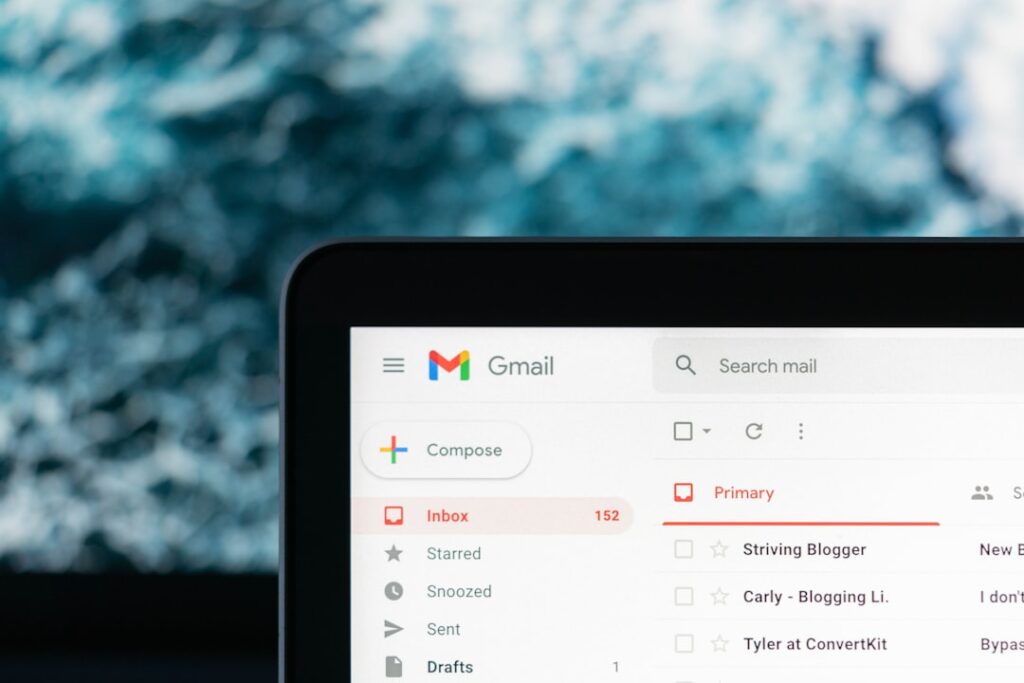
Gemini Arrives in Gmail: A Double-Edged Sword for Small Business
The intersection of artificial intelligence and email management has arrived, and it’s creating both excitement and anxiety in the small business community. Google’s Gemini—the company’s ambitious AI initiative—is now deeply integrated into Gmail, promising to revolutionize how entrepreneurs manage their inboxes. Yet with great power comes great responsibility, and for business owners already struggling to protect sensitive data, the implications demand careful examination.
Blake Barnes, Gmail’s Vice President of Product, frames the conversation strategically: “Your inbox is your business.” This seemingly simple statement underscores a profound truth that too many entrepreneurs overlook. In an era where data breaches dominate headlines and privacy concerns escalate daily, the integration of AI tools into the most sensitive communication channels requires more than reassurances—it demands concrete, verifiable safeguards.
The Productivity Promise: What Gemini Actually Does
Let’s cut through the marketing noise and focus on what Gemini genuinely delivers. The technology excels at specific, isolated tasks that would otherwise consume hours of a small business owner’s day. Email summarization, for instance, transforms a mountain of correspondence into digestible briefs. Response generation helps entrepreneurs maintain communication velocity when time is scarce. For overwhelmed business leaders juggling customer inquiries, supplier communications, and internal memos, these capabilities represent genuine productivity gains.
Consider a realistic scenario: A small e-commerce business owner receives fifty customer emails daily. Gemini can instantly summarize common themes, flag urgent issues, and suggest response templates. What previously demanded two hours of manual review now requires fifteen minutes of AI-assisted triage. That’s not hyperbole—that’s liberation from administrative drudgery.
This efficiency extends across industries. Service providers can draft proposals faster. Consultants can synthesize client feedback more effectively. Nonprofits can streamline donor communications. The practical applications are substantial enough to justify serious consideration.
Privacy Protections: Separating Fact From Corporate Assurance
Here’s where skepticism becomes not just appropriate but necessary. Google maintains that Gemini does not train its foundational AI models on your personal email content. The company states clearly: personal emails don’t feed the machine learning algorithm that powers Gemini across all users. This is a critical distinction that deserves emphasis.
But understanding the distinction requires nuance. When you submit an email to Gemini for summarization, that content is processed in isolation. It’s analyzed for your specific request, then—according to Google—it exits the system without persistent storage in broader training datasets. Your data doesn’t become part of the collective knowledge base that improves Gemini for everyone else.
This is genuinely more protective than many cloud-based services operate. However, it’s important to recognize what “processed in isolation” actually means. Your data still travels through Google’s infrastructure. It still exists temporarily in company systems. The company still has technical capability to access it, even if stated policy prohibits use for model training.
Small business owners must ask themselves: Is policy-based protection sufficient, or do I need architectural guarantees? That’s an uncomfortable question Google’s marketing materials don’t address directly.
The Unspoken Risks: Beyond Corporate Promises
No technology company operates in a risk-free vacuum. Security breaches happen. Data exfiltration occurs. Regulatory environments shift. A company’s privacy commitments today might become untenable tomorrow under different ownership, different regulations, or different business models.
For entrepreneurs sharing client information, financial details, or proprietary business strategies via email, the stakes are demonstrably higher. A summarization request involving confidential pricing strategy or customer relationship data introduces risk, however minor Google’s safeguards render it.
This doesn’t mean avoiding Gemini entirely. It means practicing surgical caution. Some emails deserve AI assistance; others demand human-only handling. Treating all correspondence equally is precisely when productivity tools become liability vectors.
The Trust Equation: Transparency Meets Control
Technology adoption ultimately rests on trust, and trust requires transparency. Google has structured Gemini’s privacy protections more carefully than many competitors, which deserves acknowledgment. But acknowledgment isn’t blank acceptance.
Smart businesses will demand granular controls. Can you disable Gemini for specific email threads? Can you establish rules preventing AI processing of messages marked sensitive? Can you audit which requests were processed and when? These controls transform Gemini from a take-it-or-leave-it proposition into a manageable tool.
Currently, the control landscape remains limited. Google offers basic on-off switches rather than sophisticated permission architecture. Strengthening these controls would significantly improve the technology’s suitability for sensitive business communications.
Strategic Implementation: Maximizing Benefit While Minimizing Exposure
Successful Gemini adoption requires intentional strategy. Use Gemini aggressively for marketing communications, customer service templates, and administrative correspondence. Deploy it cautiously for financial discussions, legal matters, and proprietary information. Reserve human-only handling for truly sensitive content.
This tiered approach captures productivity gains while respecting legitimate security concerns. It acknowledges that not all emails are created equal and that risk tolerance varies based on content sensitivity.
Additionally, small business owners should establish clear policies about Gemini usage. Document which team members can use the tool. Define what types of information are off-limits. Create accountability mechanisms. Treat AI integration as you would any significant security decision—with planning, documentation, and ongoing oversight.
Looking Forward: Evolution, Not Revolution
Gemini represents an important evolutionary step in email management. It’s genuinely useful. It’s more privacy-conscious than many competitors. It’s worth experimenting with for most small businesses. But it’s not a replacement for thoughtful data stewardship, and it shouldn’t become an excuse to relax security vigilance.
The future of business technology will involve increasingly sophisticated AI integration. Companies that navigate this transition successfully will be those that harness AI’s capabilities while maintaining realistic skepticism about its limitations and risks.
For small business owners weighing this decision, the question isn’t whether to adopt Gemini—it’s how to adopt it responsibly. Start small. Monitor results. Adjust as experience accumulates. Remain vigilant about data sensitivity. Build controls into your workflow. Trust but verify.
That balanced approach, grounded equally in enthusiasm and caution, will serve your business far better than either blind adoption or reflexive rejection.
SOURCE_ATTRIBUTION: This report is based on information originally published by Small Business Trends. Business News Wire has independently summarized this content. Read the original article.