
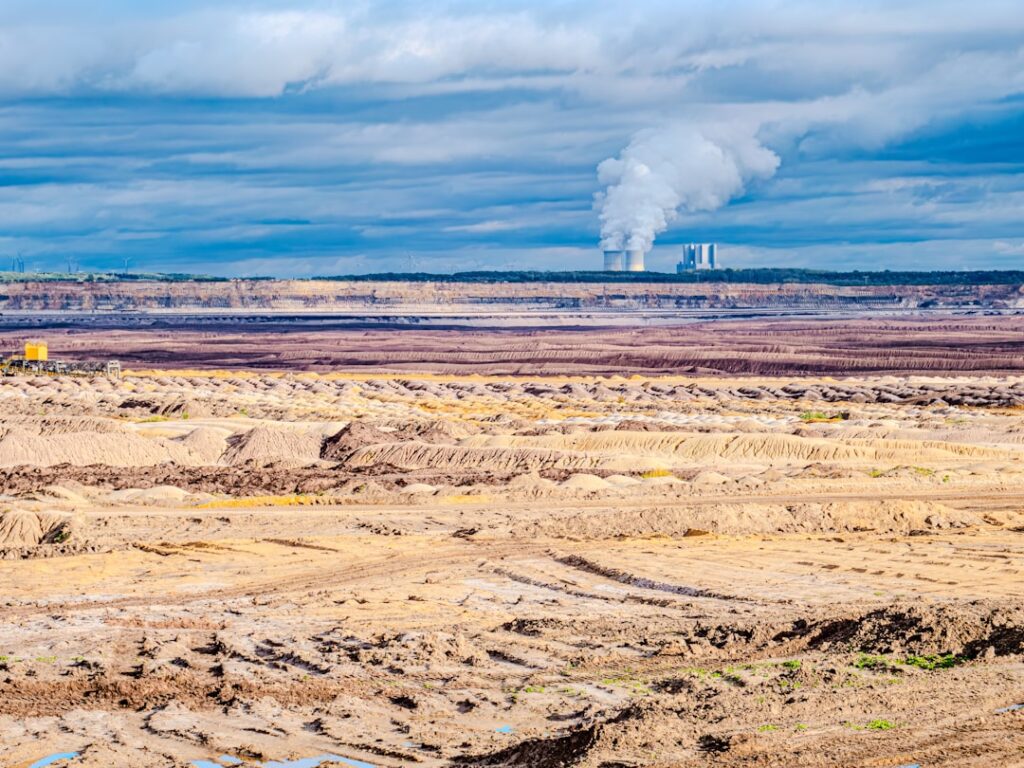
Coal Plant Retirements Hit 15-Year Low, Signaling Major Energy Market Shift
The American energy sector just delivered a stunning plot twist. In 2025, coal-fired power plants across the nation retired a mere 2.6 gigawatts of capacity—the smallest retirement number since 2010. For small business owners accustomed to the predictable hum of coal-dependent infrastructure, this slowdown represents far more than an abstract statistical anomaly. It signals a fundamental reshuffling of the energy deck, one that will inevitably ripple through electricity prices, supply chains, and operational budgets.
What makes this year particularly striking is the gap between expectations and reality. Coal operators had penciled in 8.5 gigawatts of retirements for 2025. Instead, the industry pumped the brakes hard. Of that planned capacity, 4.8 gigawatts got postponed indefinitely. Two entire plants, representing 1.1 gigawatts combined, abandoned their retirement plans altogether. And in a move that suggests continued uncertainty, one facility scheduled to close in 2026 just extended its lifespan to 2029. These aren’t minor scheduling adjustments—they’re fundamental reversals that demonstrate how quickly energy policy can shift strategy.
Federal Orders Keep Coal Burning Longer
The primary culprit behind this reversal sits squarely in Washington. The U.S. Department of Energy issued emergency orders requiring several coal plants to remain operational, ostensibly to maintain grid reliability. These directives essentially froze the retirement timeline for facilities that operators had already marked for closure. It’s a pragmatic decision wrapped in necessity—grid stability does matter—but it also highlights the uncomfortable reality that coal still serves as a critical backstop for America’s electrical infrastructure.
The plants that did retire tell an instructive story. Delaware’s Indian River Generating Station (410 MW), Arizona’s Cholla Units 1 and 3 (383 MW), and Utah’s Intermountain Power Project (1,800 MW) all shut down this year. Notably, the Intermountain facility didn’t vanish entirely—it was replaced by a new natural gas-fired combined cycle plant producing 1,017 MW. This pattern reflects the sector’s real trajectory: not an abrupt exit from fossil fuels, but a methodical pivot from coal toward natural gas and renewable alternatives.
What This Means for Your Bottom Line
For entrepreneurs managing manufacturing operations, distribution centers, or service businesses dependent on consistent power, the implications are immediate and tangible. Energy costs represent a significant operational expense for most small enterprises. When the electricity supply landscape becomes unstable or unpredictable, budgets suffer. The volatility that accompanies transitional energy markets can create pricing fluctuations that ripple directly into profit margins.
The prudent move involves getting ahead of these trends rather than reacting after the fact. Small business owners should conduct comprehensive energy audits to understand their current consumption patterns and identify waste reduction opportunities. This data becomes invaluable when negotiating energy contracts or evaluating renewable energy options. Many states and the federal government offer incentives for businesses transitioning toward cleaner energy sources—incentives that savvy operators can leverage to offset conversion costs.
The 2026 Problem and Beyond
The slowdown in 2025 doesn’t mean coal is finished—far from it. Energy analysts project that 6.4 gigawatts of additional coal capacity will retire in 2026, representing nearly 4 percent of the remaining coal fleet. That’s significant but still manageable within the broader energy ecosystem. However, this projection assumes that further Department of Energy emergency orders don’t intervene. Smart business leaders should monitor regulatory developments closely, as government policy continues to be the primary variable determining coal plant survival.
Several operators have signaled their intention to convert aging coal facilities rather than retire them outright. The Transalta Centralia Generating Station, for example, is planning conversion to natural gas by 2028. These conversions represent capital-intensive bets on the continued viability of fossil fuel infrastructure, albeit in a cleaner form. For small businesses, this transition offers potential advantages: natural gas plants typically operate more flexibly than coal plants, potentially creating more stable power supply and pricing.
Strategic Energy Management for Small Operators
Navigating this transitional landscape requires proactive strategy rather than passive acceptance. Small business owners should engage with energy consultants who understand both current market conditions and future trajectories. These professionals can help identify renewable energy opportunities specific to each business’s location and operational profile. Solar installation, wind power partnerships, or participation in renewable energy credits programs may all offer pathways to reduced long-term energy expenses.
Additionally, diversifying energy sources insulates operations against single-point-of-failure risks. A business relying exclusively on grid power remains vulnerable to supply disruptions and price volatility. Those with on-site renewable generation, battery storage, or participation in microgrid arrangements possess considerably more resilience. These aren’t merely sustainability gestures—they’re sound business practices that improve operational continuity and financial performance.
The American energy landscape is undergoing profound transformation. Coal’s decline is no longer theoretical or distant—it’s happening now, with real consequences for businesses of all sizes. The delayed retirements of 2025 suggest that this transition will be messier and longer than some anticipated, providing a window for strategic planning. Small business owners who approach this energy revolution with clear eyes and proactive strategies will emerge stronger. Those caught flat-footed by future price spikes or supply disruptions will rue their inaction.
This report is based on information originally published by Small Business Trends. Business News Wire has independently summarized this content. Read the original article.