
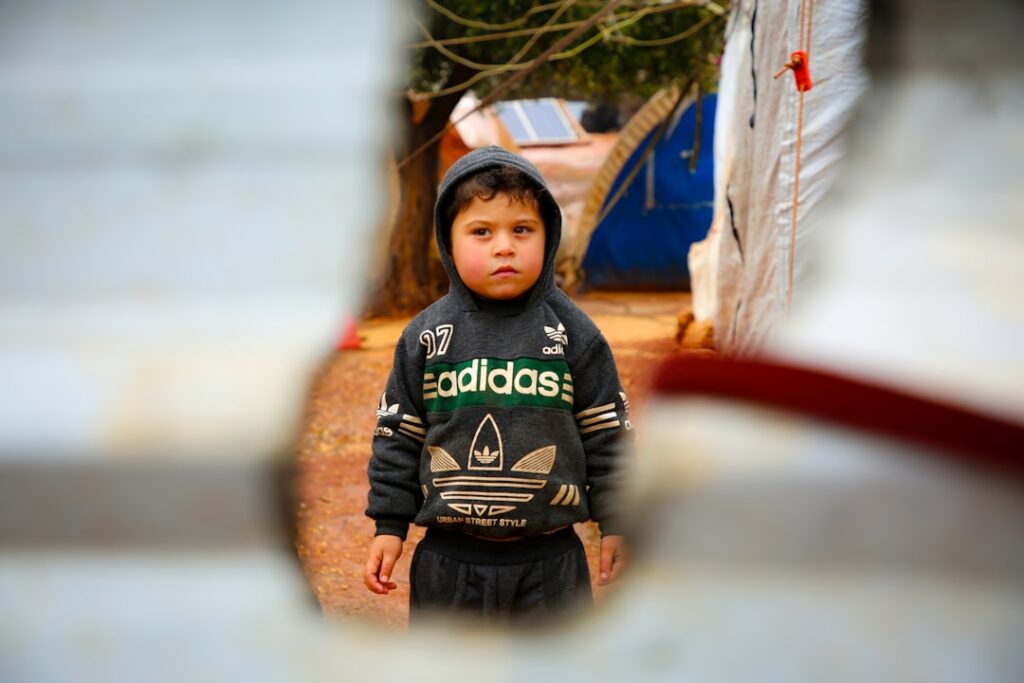
Wales Confronts a Growing Child Poverty Emergency
The statistics paint a sobering picture of economic hardship in Wales. Approximately one-third of Welsh children—a proportion unmatched anywhere else in the United Kingdom—are currently living in poverty. This troubling figure represents not merely a statistical anomaly but a genuine crisis affecting hundreds of thousands of young lives and the families struggling to support them. When compared to England, Scotland, and Northern Ireland, Wales stands out as the nation wrestling with the most severe child poverty challenge, raising urgent questions about resource allocation, policy effectiveness, and social responsibility.
The implications of these numbers extend far beyond abstract economic indicators. Behind every statistic lies a real family—a parent working multiple jobs yet still unable to afford basic essentials, a child going without necessary school supplies, or a household choosing between heating and eating. The human cost of poverty transcends spreadsheets and government reports, affecting educational outcomes, physical health, mental wellbeing, and long-term life prospects.
The Personal Toll: When Dreams Must Be Deferred
For parents living in poverty, the emotional weight is often heavier than the financial burden itself. The desire to provide for one’s children is fundamental to human nature, yet poverty creates an impossible situation where aspirations collide with reality. Parents find themselves unable to afford basic necessities many take for granted—adequate nutrition, warm clothing, safe housing, and educational resources that could unlock future opportunities.
The psychological impact on parents cannot be understated. Many report feelings of helplessness and guilt, struggling with the knowledge that their children face limitations their peers do not encounter. Birthday gifts become luxuries, school trips transform into impossible expenses, and extracurricular activities remain forever out of reach. These seemingly small deprivations accumulate, creating a sense of exclusion and inequality that extends beyond material possessions to encompass opportunity itself.
Why Wales Faces Unique Challenges
The concentration of child poverty in Wales raises important questions about regional economic disparities within the United Kingdom. Wales has historically faced economic challenges distinct from other UK nations, including post-industrial decline in former mining and manufacturing regions. These structural economic issues have created persistent pockets of disadvantage that continue affecting generations of families.
Additionally, wage stagnation, rising cost of living, housing affordability crises, and inadequate social support systems have converged to create conditions where poverty becomes increasingly difficult to escape. Single-parent households, individuals with disabilities, and communities with limited employment opportunities face particularly acute challenges. The gap between regional prosperity and regional struggle continues widening, with vulnerable populations bearing the heaviest burden.
The Long-Term Consequences of Child Poverty
Beyond immediate hardship, child poverty creates ripple effects that extend throughout the lifespan. Research consistently demonstrates that children growing up in poverty face reduced educational attainment, lower earning potential as adults, and higher susceptibility to health problems. The cycle of poverty often perpetuates itself across generations, with children born into disadvantage facing significantly steeper obstacles to upward mobility than their wealthier peers.
Educational disparities emerge early and compound over time. Children from low-income households may lack access to tutoring, technology, enrichment activities, and stable learning environments—advantages their wealthier classmates take for granted. These educational gaps translate into reduced career opportunities, perpetuating cycles of poverty that become increasingly difficult to break.
The Path Forward: Addressing Wales’ Child Poverty Crisis
Addressing this crisis requires comprehensive, multifaceted approaches involving government policy, community investment, and social support systems. Increased funding for education, healthcare, and social services in disadvantaged areas represents a critical starting point. Additionally, policies aimed at increasing employment opportunities, supporting living wages, and improving housing affordability could substantially reduce poverty rates.
The situation in Wales demands urgent attention from policymakers and community leaders alike. Behind the headlines and statistics are families with hopes, dreams, and untapped potential being constrained by circumstances beyond their control. Recognizing child poverty not merely as an economic issue but as a fundamental challenge to opportunity and fairness is essential for driving meaningful change.
The aspirations Welsh parents hold for their daughters, sons, and all children deserve more than sympathetic words—they require substantive action, sustained commitment, and the political will to prioritize the wellbeing of the nation’s youngest and most vulnerable citizens.
This report is based on information originally published by BBC News. Business News Wire has independently summarized this content. Read the original article.