
The Caregiver’s Dilemma: When Work No Longer Pays
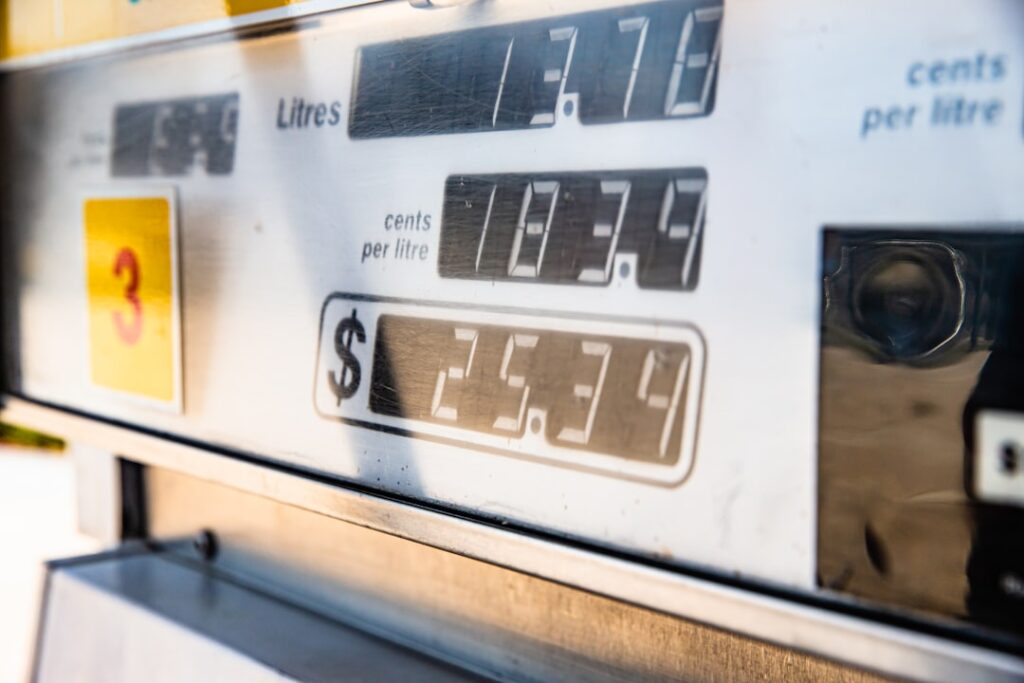
An emerging economic crisis is forcing some of the nation’s most essential workers to make heartbreaking decisions about their livelihoods. Care workers—individuals who provide vital support to the elderly, disabled, and vulnerable—are discovering that the fundamental mathematics of employment no longer work in their favor. As fuel prices continue their upward trajectory, the cost of commuting to work has begun to eclipse the wages these workers earn, creating a situation where showing up to the job literally costs them money.
This isn’t hyperbole or economic speculation. It’s the stark reality facing thousands of dedicated professionals who have committed their careers to caring for others. The situation represents a perfect storm: stagnant wages colliding with volatile energy markets, creating pressure that workers at the lower end of the income spectrum simply cannot absorb.
Understanding the Price Surge
The catalyst for this crisis originates in geopolitical tensions within the Middle East. Regional conflicts have disrupted global energy markets, causing both petrol and diesel prices to spike dramatically. These aren’t modest increases—they represent significant jumps in what consumers and businesses pay at the pump.
For urban and rural care workers alike, this means that every trip to their workplace becomes a financial transaction that works against them. A caregiver traveling 30 miles round-trip to work faces substantially higher fuel costs than they did just months ago. When multiplied across five working days per week, these expenses transform from an inconvenience into an existential problem for those operating on tight budgets.
The Ripple Effects on Essential Services
What makes this situation particularly alarming is its implications for social care infrastructure. Care workers represent the backbone of a system designed to support vulnerable populations. When these workers cannot afford to work, the entire system faces potential collapse. Care facilities may struggle to maintain adequate staffing levels. Vulnerable individuals who depend on consistent, quality care may find their support disrupted or discontinued altogether.
The problem extends beyond individual hardship—it threatens public health and social stability. Care workers aren’t choosing this situation; they’re being forced into it by circumstances beyond their control and beyond their employers’ immediate ability to remedy.
A Systemic Failure
This crisis illuminates deeper problems within how society values and compensates care work. Care positions have long been among the lowest-paid in the workforce, often considered secondary labor despite their critical importance. Workers in these roles accept modest compensation because they believe in the work’s value, but there are limits to how much sacrifice can be expected.
The situation raises uncomfortable questions for policymakers and business leaders. Why should workers in essential services face the choice between financial ruin and abandoning their posts? How can a society claim to value care workers while allowing market conditions to price them out of employment?
Looking Forward
As fuel prices remain volatile and global tensions continue, solutions must emerge urgently. Some potential approaches include fuel subsidies for essential workers, mileage reimbursement programs at more competitive rates, or allowing remote work options where feasible. Employers and government bodies must recognize that care worker retention isn’t merely an HR matter—it’s a public health imperative.
The caregivers facing this crisis aren’t asking for luxury or excess. They’re asking for the basic ability to work without going broke. Until that fundamental requirement is met, the care sector will continue losing dedicated professionals to economic necessity rather than choice.
This report is based on information originally published by BBC News. Business News Wire has independently summarized this content. Read the original article.