
A Bear of a Fraud Scheme: How Three Californians Nearly Got Away With Insurance Scam
In what might be the most audacious—and absurd—chapter of insurance fraud history, three California residents orchestrated an elaborate scheme that involved dressing someone in a bear costume to simulate wildlife attacks on luxury automobiles. The plot, which netted the perpetrators approximately $141,000 in fraudulent insurance claims, seemed foolproof in theory. In practice, however, the conspiracy unraveled spectacularly when a wildlife expert took a closer look at the incriminating video evidence.
The scheme operated on a deceptively simple premise: Stage convincing bear attacks on high-end vehicles, submit insurance claims backed by video documentation, and pocket the settlement payouts. The masterminds behind this scheme understood that insurance companies regularly compensate policyholders for animal-related property damage, making their targets both numerous and credible. What they underestimated was the expertise of wildlife professionals who could distinguish between authentic animal behavior and human mimicry.
The Mechanics of a Criminal Enterprise
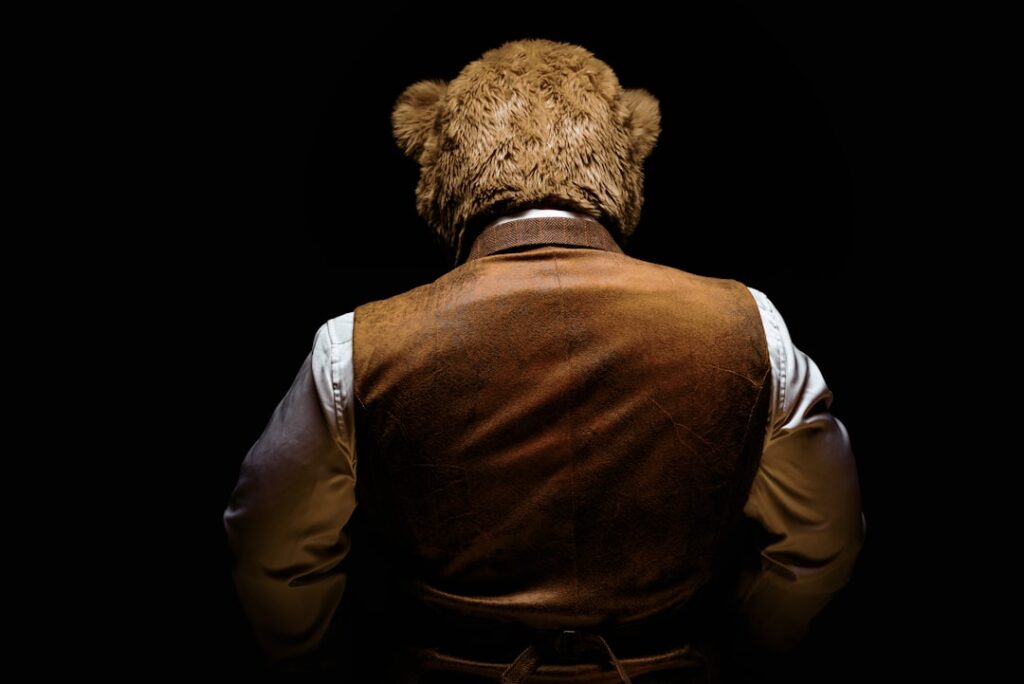
According to authorities, the three perpetrators executed multiple fraudulent claims spanning several vehicles. In each incident, someone—outfitted in a bear suit complete with meat claws—would approach parked luxury cars and deliberately scratch, claw, and damage the exterior surfaces. The attackers would film these staged incidents, creating the visual evidence necessary to support legitimate-sounding insurance claims. From a purely logistical standpoint, the operation demonstrated planning and coordination among the conspirators.
The perpetrators selected their targets strategically, focusing on upscale vehicles that belonged to insured owners likely to file claims rather than absorb the damage costs themselves. This risk calculation revealed that the fraudsters understood basic insurance economics: owners of expensive cars typically maintain comprehensive coverage and lack incentives to cover substantial repair bills independently. The scheme preyed on this predictable human behavior.
How Expertise Defeated Deception
The elaborate con collapsed when investigators sought expert analysis of the video evidence. Wildlife professionals examined the footage purporting to show authentic bear attacks and immediately identified numerous inconsistencies with genuine animal behavior. Bears, it turns out, don’t attack vehicles in the choreographed manner depicted in the fraudsters’ videos. The movements were too human, the patterns too deliberate, the overall behavior too choreographed to withstand professional scrutiny.
A wildlife expert’s examination of the suspicious footage revealed telltale signs of human manipulation. Real bears attack erratically and unpredictably, driven by instinct and territorial defense mechanisms. The “bear” in these videos exhibited movement patterns, timing, and behavioral sequences inconsistent with actual ursine aggression. What the perpetrators had filmed looked less like a wild animal attack and more like what it actually was: a person in a costume deliberately damaging property on cue.
The Investigation and Fallout
Once the wildlife expert flagged the fraudulent nature of the video evidence, law enforcement launched a comprehensive investigation into the scheme. Authorities ultimately identified and apprehended the three California residents responsible for coordinating and executing the fraudulent insurance claims. The investigation revealed the full extent of their operation, documenting multiple false claims and the systematic nature of their deception.
This case underscores a critical vulnerability in fraud detection: the assumption that video evidence automatically validates claims. Insurance companies processing claims often rely heavily on photographic and video documentation without considering that such evidence might be deliberately fabricated. The perpetrators gambled that insurers would accept surface-level documentation without deeper expert analysis—a bet that nearly paid off until wildlife specialists became involved.
Broader Implications for Insurance Industry
The California bear suit fraud scheme carries important lessons for the insurance industry at large. As fraudsters grow increasingly sophisticated in their schemes, insurance companies cannot rely solely on visual documentation and claimant testimony. Expert verification, particularly in cases involving unusual or dramatic circumstances, represents an essential additional layer of fraud prevention.
This incident also highlights how specialized knowledge can serve as an effective deterrent against creative fraud attempts. The perpetrators never anticipated that their video evidence would be analyzed by wildlife experts. This blind spot—the failure to consider expert-level scrutiny—proved fatal to their enterprise. For insurance companies, the lesson is clear: don’t underestimate the value of subject-matter expertise in claim verification.
The $141,000 fraudulent payout represents only the direct financial loss from this particular scheme. When factoring in investigation costs, administrative expenses, and increased insurance premiums that offset fraud losses, the true cost to the insurance system and legitimate policyholders becomes substantially higher. Every fraudulent claim ultimately transfers costs to honest customers.
Conclusion: When Costume Meets Consequence
The three California residents who orchestrated this bear suit insurance fraud scheme ultimately learned an expensive lesson about the limits of deception in the digital age. Their carefully planned operation, which likely seemed clever and low-risk during conception, collapsed under expert scrutiny. The involvement of a wildlife professional in analyzing their video evidence transformed what might have become an undetected fraud into a documented criminal case.
This episode serves as a cautionary tale for aspiring fraudsters and a validation of rigorous verification processes for insurers. In an era when video fakery continues advancing technologically, insurance companies must simultaneously advance their verification capabilities, enlisting expert analysts to authenticate extraordinary claims. The bear suit fraud case demonstrates that no scheme, no matter how carefully constructed, survives serious expert examination.
This report is based on information originally published by Entrepreneur – Latest. Business News Wire has independently summarized this content. Read the original article.