
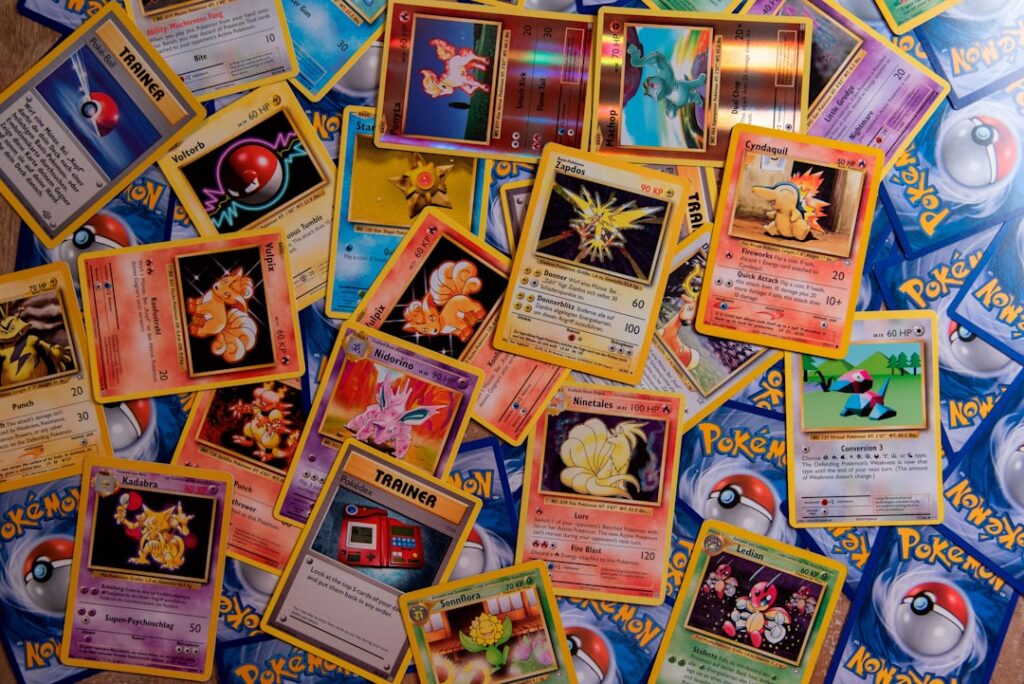
The Collectible Crisis: Pokemon Cards Under Siege
The trading card market has experienced an unprecedented boom in recent years, transforming what was once dismissed as children’s entertainment into a serious investment arena. However, this explosive growth in value has attracted an unwelcome consequence: a coordinated crime wave targeting retailers across the United Kingdom. Small shops that stock these coveted collectibles are finding themselves squarely in the crosshairs of organized theft operations, with criminals making off with merchandise worth thousands of pounds in brazen smash-and-grab raids.
What began as sporadic incidents has evolved into a troubling pattern of criminal activity. Shop owners from various regions report experiencing repeated break-ins, with thieves demonstrating clear knowledge of which products to target and how quickly to move in and out of stores. The precision and organization behind these crimes suggest something far more calculated than random opportunistic theft—this appears to be a coordinated effort driven by understanding of market dynamics and product values.
Why Pokemon Cards Have Become Criminal Targets
The transformation of Pokemon cards from nostalgic collectibles into high-value assets represents a modern economic phenomenon. Rare cards, particularly those from early production runs or featuring popular characters, now command prices that rival fine art and precious metals. First edition Charizard cards have sold for hundreds of thousands of pounds at auction, while even moderately rare cards routinely fetch hundreds in the secondary market.
This value explosion has created a perfect storm for retail crime. Pokemon cards occupy a unique position in the theft economy: they are small enough to conceal easily, immediately recognizable, quickly convertible to cash through online marketplaces, and require minimal expertise to sell. Unlike stolen electronics or jewelry that may require fencing through specialized channels, trading cards can move through dozens of online platforms within hours of being stolen. For criminals, the risk-to-reward calculation has never been more favorable.
The collectible card market has also benefited from mainstream media attention and celebrity endorsements, dramatically expanding the pool of potential buyers willing to pay premium prices. This legitimization of card collecting as a serious hobby has paradoxically made the products more attractive to criminals operating in the shadow economy.
The Human Cost of Rising Theft
For independent retailers and small business owners, this crime wave represents far more than simple inventory loss. Many of these shop owners have carefully curated their Pokemon card selections, investing significant capital in stock they believed would appreciate over time or generate steady customer traffic. Repeated theft incidents force difficult decisions: invest in expensive security systems that may consume margins, relocate to less accessible locations, or abandon the product line entirely.
The psychological impact on business owners cannot be overlooked. Operating a retail location under the constant threat of break-ins creates genuine stress and uncertainty. Some retailers report feeling violated by the targeted nature of these crimes, knowing that thieves possess detailed knowledge of their inventory and store layouts.
The Broader Implications for Collectibles Markets
This theft surge raises important questions about the sustainability of the collectible card market as currently structured. When legitimate retail distribution becomes too dangerous or economically unviable, supply chains fracture. This can actually increase prices further by restricting availability through official channels, potentially encouraging even more criminal activity. The market risks entering a vicious cycle where scarcity drives demand and value, which in turn drives theft, which further restricts supply.
Additionally, the prevalence of stolen cards entering the secondary market creates authenticity concerns for buyers. Collectors investing serious money in rare cards need assurance of legitimate provenance, yet a market flooded with stolen merchandise undermines confidence in the entire ecosystem.
What Comes Next?
Addressing this crisis will require coordinated responses from multiple sectors. Retailers are implementing enhanced security measures, from reinforced display cases to surveillance systems. Some are adjusting operating hours or limiting stock levels. Law enforcement agencies are beginning to track these incidents more systematically, recognizing the pattern of organized criminal behavior.
The trading card industry itself faces pressure to implement supply chain verification systems and establish protocols that discourage the flow of stolen merchandise through legitimate resale channels. Major online marketplaces could implement stronger authentication requirements and verification processes for high-value card sales.
As the Pokemon card market continues to mature, stakeholders must work together to ensure that value creation doesn’t come at the expense of street-level retailers who form the foundation of the physical collecting community. The alternative—a market accessible only through secure online channels or exclusive dealers—would fundamentally alter the character of card collecting and potentially damage the community that fueled this remarkable growth.
This report is based on information originally published by BBC News. Business News Wire has independently summarized this content. Read the original article.