
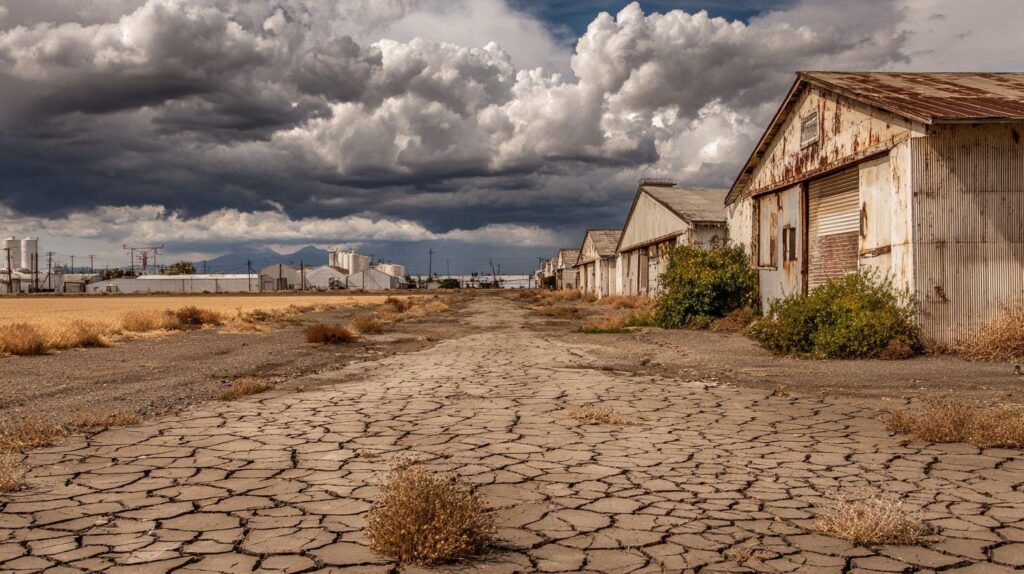
Imagine factories idled, crops withering, and supply chains grinding to a halt-all due to a resource once deemed limitless: water. As global shortages intensify, water scarcity emerges as a strategic business risk rivaling cyber threats or geopolitical unrest, per World Economic Forum reports.
This article examines scientific drivers, trillion-dollar economic impacts, sector vulnerabilities, and proven strategies for resilience-equipping leaders to turn crisis into competitive edge.
Current State of Global Water Availability
According to WRI Aqueduct 2023 data, 41% of the world population lives in water-stressed basins, up from 34% in 2010. This rise highlights growing water scarcity as a strategic business risk. Companies in manufacturing and agriculture face increasing operational challenges from this trend.
The Middle East shows high-risk basins with severe stress, while India grapples with significant water shortages in key regions. WWF Water Risk Filter assessments across 189 countries reveal widespread vulnerabilities. Businesses must map these risks to avoid supply chain disruptions.
Aquifer depletion threatens long-term freshwater availability. Groundwater extraction in arid regions accelerates resource depletion. Firms in the beverage industry and semiconductor fabrication need to prioritize water auditing for resilience.
| Top 10 Most Stressed Aquifers | Depletion Risk |
| Arabian Aquifer | 100% depletion |
| Indus Basin Aquifer | High |
| North China Plain Aquifer | High |
| California Central Valley | High |
| High Plains (Ogallala) | Critical |
| Ganges-Brahmaputra-Meghna | Severe |
| Murray-Darling Basin | High |
| Guarani Aquifer | Elevated |
| Sahara Aquifers | Critical |
| Great Artesian Basin | High |
This table draws from WRI Aqueduct data on high-risk basins. Leaders should use such tools for risk assessment and scenario planning. Proactive steps like sustainable sourcing build business continuity amid the water crisis.
Projections for Future Shortages
By 2030, global water demand will exceed supply by 40% according to the UN World Water Development Report 2024. This gap stems from population growth and rising industrial needs. Businesses face growing strategic business risk as freshwater becomes scarcer.
IPCC AR6 projections indicate that 2-3 degreesC warming could cut precipitation by 10-20% in arid regions. This worsens water stress in places like the Middle East and parts of Africa. Companies in manufacturing and agriculture must prepare for operational disruptions.
A graph showing the demand vs supply gap from 2025 to 2050 highlights widening shortages. Urbanization and emerging markets drive higher urban water demand. Firms should use tools like the WRI Aqueduct for risk assessment.
To address this, businesses can adopt water auditing and scenario planning. Examples include Cape Town’s Day Zero crisis and California’s droughts, which halted production. Corporate risk management now demands focus on long-term water security.
Business Implications Overview
CDP 2023 reports that 75% of the world’s largest companies see water as a material risk affecting more than $100B in revenue. This highlights how water scarcity has evolved into a strategic business risk. Companies face disruptions from drought and freshwater shortages across operations.
Risks break down into operational challenges like production halts, regulatory pressures from compliance rules, and reputational damage from stakeholder scrutiny. Operational issues top the list due to direct impacts on water usage efficiency and supply chain disruptions. Businesses must prioritize corporate risk management to address these.
Sectors vary in exposure based on tools like the S&P Water Risk Index. High-water users such as beverages and semiconductors face acute threats from water stress. The table below shows key examples.
| Sector | Exposure Level |
| Beverages | 92% |
| Semiconductors | 89% |
| Mining | High |
| Textiles | High |
Experts recommend risk assessment and scenario planning to map these impacts. For instance, Cape Town’s Day Zero crisis showed how water crisis can threaten business continuity. Firms should audit their water footprint and explore sustainable sourcing.
Climate Change and Altered Precipitation Patterns
IPCC AR6 notes that 1.1 degreesC warming has already reduced snowfall 10-20% in the western US, cutting Colorado River flows 20%. This shift exemplifies how climate change disrupts traditional water supplies. Businesses reliant on consistent precipitation face growing strategic business risk.
Cape Town’s Day Zero crisis in 2018 brought the city close to shutting off taps due to prolonged drought. Such events highlight water scarcity as a real threat to urban operations and supply chains. Companies in arid regions must now prioritize water conservation measures.
Precipitation forecasts predict drier conditions in the Mediterranean and wetter patterns in Northern Europe. These changes create regional business scenarios where manufacturing in southern Europe risks production halts. Firms should conduct scenario planning to adapt to altered patterns.
California’s megadrought exposed significant portions of the state’s economy to water stress, affecting agriculture and tech sectors. Businesses can mitigate risks through water auditing and sustainable sourcing. Investing in innovation in water tech like wastewater recycling builds long-term resilience.
Population Growth and Urbanization Pressures
UN projections show the urban population will double to 6.7 billion by 2050. This surge will increase municipal demand by 200 percent in developing countries. Businesses face growing water scarcity as cities compete for limited supplies.
In India, urban water demand is set to rise significantly by 2030, while China expects even steeper growth. The Chennai water crisis saw reservoirs deplete by half, forcing industries to halt operations. Such events highlight urbanization pressures as a strategic business risk.
Companies must rethink facility siting in high-growth areas. For example, manufacturing plants in emerging markets now prioritize water stress mapping during site selection. This approach helps avoid operational risks from sudden shortages.
Population growth amplifies freshwater shortages, pushing firms toward water conservation strategies. Experts recommend conducting water audits and exploring rainwater harvesting to build resilience. Proactive steps ensure business continuity amid rising urban demands.
Pollution and Ecosystem Degradation
WWF Living Planet reports a 75% decline in freshwater species since 1970. This sharp drop reduces natural filtration by 40%. Businesses now face heightened strategic business risk from weakened ecosystems unable to purify water.
Surface water pollution from industrial discharges harms aquatic life and contaminates supplies. Companies in manufacturing and mining often contribute through untreated effluents. This leads to regulatory compliance challenges and potential production halts.
UN Water notes that 80% of wastewater goes untreated globally, overwhelming rivers and lakes. Microplastics appear in 83% of tap water samples per Orb Media findings. Firms must audit their water footprint to avoid supply chain disruptions.
Real-world cases highlight the urgency. The Yangtze River suffers from heavy industrial pollution, affecting beverage and textile production nearby. Great Lakes algal blooms from nutrient runoff disrupt energy sector operations and local water access.
- Conduct regular water auditing to identify pollution sources in operations.
- Invest in wastewater recycling technologies for zero water waste.
- Partner with locals for sustainable sourcing to protect biodiversity.
Global Cost Estimates in Trillions
WRI Aqueduct highlights that high water stress threatens $58T in GDP, which is 60% of the global total, across 4B people. These figures underscore water scarcity as a mounting strategic business risk. Companies face potential losses from disrupted operations and supply chains.
Leading reports outline staggering long-term costs. The World Economic Forum projects $14.5T over 10 years due to the water crisis. McKinsey estimates $6T across 20 years, while Credit Suisse forecasts $10T in 50 years from resource depletion and droughts.
| Organization | Estimated Cost | Timeframe |
| World Economic Forum | $14.5T | 10 years |
| McKinsey | $6T | 20 years |
| Credit Suisse | $10T | 50 years |
Regional breakdowns reveal hotspots like Asia at 45% and MENA at 20% of these costs. Businesses in arid regions must prioritize corporate risk management. For instance, the manufacturing sector risks production halts from aquifer depletion.
Experts recommend water auditing and scenario planning to address these threats. Firms can adopt sustainable sourcing to cut their water footprint. This approach aids regulatory compliance and shields against ESG-related investor demands.
Impact on GDP and Sectoral Losses
According to the FAO, agriculture loses around $200B each year due to water scarcity, while manufacturing GDP drops 5-15% in high-stress basins. These losses highlight how freshwater shortages threaten economic stability. Businesses face strategic business risks from disrupted operations and rising costs.
Sectoral impacts vary by water use. Agriculture relies heavily on water, leading to crop failures and food security issues during droughts. Industry and domestic sectors also suffer from resource depletion, affecting everything from production to daily needs.
| Sector | Water Use | GDP Loss |
| Agriculture | 70% | 2.5% |
| Industry | 19% | 1.8% |
| Domestic | 11% | 0.8% |
In India, water stress contributes to an estimated 8% GDP hit from agriculture impact and industrial slowdowns. Mexico sees about 6% losses tied to drought effects on manufacturing and urban supply. Companies in these areas must prioritize water auditing to assess vulnerabilities.
Experts recommend scenario planning for GDP loss risks. Firms can adopt water usage efficiency measures like smart irrigation to cut operational risk. This approach builds business continuity amid growing water crisis pressures.
Rising Water Prices and Commodity Volatility
California ag water prices rose 500% during the 2014 drought. Industrial rates have climbed 15% per year globally. Businesses now face sharp increases in utility costs as water scarcity strains supplies.
In MENA regions, water price indexes show dramatic rises over the past decade. Commodity prices correlate strongly with water stress, affecting sectors like agriculture and manufacturing. Cotton and beef markets experience volatility tied to drought conditions and freshwater shortages.
Forecasting models predict 20-50% increases in water pricing due to climate change and population growth. Companies in textile production and the beef industry must monitor these trends. Supply chain disruptions arise when resource depletion hits key inputs.
To manage this strategic business risk, firms should conduct water auditing and adopt water usage efficiency measures. Examples include smart irrigation in farming and wastewater recycling in factories. Scenario planning helps build business continuity against rising water pricing.
Agriculture and Food Production Risks
Agriculture uses 70% of global freshwater, and 60% of irrigated land faces high stress according to the World Resources Institute. This heavy reliance makes the sector vulnerable to water scarcity, turning it into a strategic business risk for food producers and agribusinesses. Companies face disruptions from droughts and freshwater shortages.
Yield losses hit staple crops hard during water stress periods. For instance, wheat production in India and corn in the US have seen major declines from prolonged droughts. These losses trigger supply chain disruptions and higher commodity prices.
Businesses like PepsiCo and Nestl grapple with these ag risks. PepsiCo’s potato suppliers suffered during California droughts, while Nestl faced challenges sourcing dairy amid regional water crises. Almond prices surged over 50% in 2015 due to shortages in key growing areas.
| Risk Type | Examples | Business Impact |
| Yield Losses | Wheat in India, corn in US | Reduced output, higher costs |
| Supply Chain Breaks | Almonds price +50% in 2015 | Price volatility, sourcing issues |
| Operational Halts | Drought-affected farms | Production delays, shortages |
To mitigate, firms should adopt sustainable sourcing and precision agriculture. Tools like smart irrigation and IoT sensors help cut water usage efficiency. PepsiCo’s water replenishment goals show how corporate risk management builds resilience against climate change impacts.
Manufacturing and Industrial Water Demands
Textiles use 79 billion cubic meters of water each year, with 25% of factories in high-stress basins according to the World Economic Forum. This heavy industrial water demand strains local resources and heightens exposure to water scarcity. Businesses face growing risks from drought and freshwater shortages.
Key processes reveal the scale of consumption. For instance, textile production requires 200 liters per shirt, steel making uses 28 cubic meters per ton, and chemicals demand 50 cubic meters per ton. These figures underscore how manufacturing sector operations contribute to resource depletion and water stress.
A stark example occurred during the 2022 drought in China, where textile shutdowns limited factories to 30% capacity. This led to supply chain disruptions and production halts, illustrating strategic business risk. Companies must now prioritize water footprint assessments to avoid similar fates.
To mitigate these threats, firms should adopt water usage efficiency measures like wastewater recycling and auditing. Scenario planning for climate change impacts helps build business continuity. Integrating corporate risk management with ESG factors ensures long-term resilience against operational risk.
Energy Sector Dependencies (Power and Extraction)
Thermoelectric plants withdraw 45% of US freshwater, while mining uses 70m per ton of copper. These figures highlight the energy sector’s heavy reliance on water for cooling and processing. As water scarcity intensifies, this creates a strategic business risk for power generation and extraction operations.
Coal and gas plants often face high water risk, exposing them to droughts and freshwater shortages. In Chile’s copper production, output dropped 15% in 2019 due to water constraints. Companies must now prioritize water usage efficiency to avoid production halts.
Data centers, vital for tech-driven energy firms, consume massive volumes like Google’s 15 billion liters per day globally. Cooling systems demand constant water supplies, amplifying operational risk in arid regions. Climate change worsens this through aquifer depletion and erratic rainfall.
To mitigate these threats, energy leaders should conduct water auditing and adopt risk assessment tools. Strategies include wastewater recycling, desalination where feasible, and sustainable sourcing. Integrating ESG factors into corporate risk management ensures business continuity amid rising utility costs and regulatory compliance pressures.
Tech and Data Center Cooling Challenges
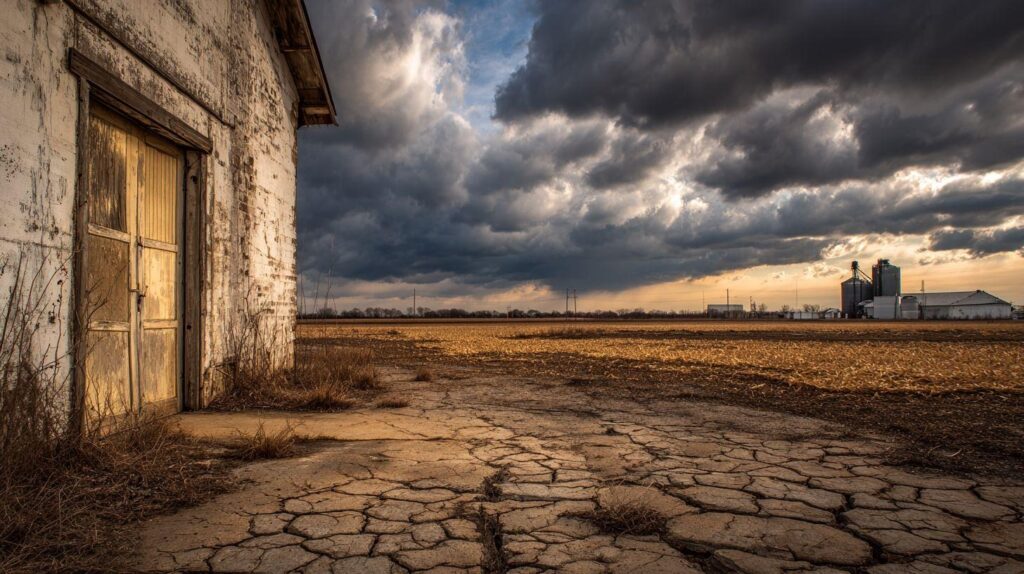
TSMC suspended production for 20 days during the 2021 Taiwan drought, highlighting vulnerabilities in semiconductor fabrication. Data centers in the US use massive volumes of water for cooling each year. This exposes the tech sector to water scarcity as a strategic business risk.
Chips demand ultra-pure water, with processes requiring vast amounts per wafer. Hyperscalers like Microsoft consumed billions of liters in 2022 for operations. Relocating facilities to avoid drought risks can cost over a billion dollars per site.
Data center cooling relies on evaporative systems that strain local freshwater shortage supplies, especially in arid regions. Companies face supply chain disruption when water stress halts cooling towers. Experts recommend water auditing to map usage and identify efficiencies.
To mitigate operational risk, firms pursue water conservation through recycling and dry cooling tech. Scenario planning for climate change impacts helps build business continuity. Integrating water footprint into ESG factors supports long-term resilience.
Supply Chain Interruptions
Apple faces notable water stress among its suppliers, with 25% located in high-risk areas. This exposure turned critical in 2021 when Foxconn halted iPhone production due to water scarcity in a drought-hit region. Such events highlight how supply chain disruptions can ripple through global operations.
Companies often assess risks by tier, with Tier 1 suppliers showing lower direct exposure compared to Tier 2 suppliers deeper in the chain. Droughts and freshwater shortages in arid regions force production halts, delaying deliveries and inflating costs. Businesses must map their water footprint across the entire supply network to spot vulnerabilities.
Mitigation starts with supplier water audits, where firms evaluate partners’ usage and conservation practices. Regular audits reveal inefficiencies, like excessive groundwater extraction, and guide improvements. This approach strengthens corporate risk management against environmental risks.
Regional diversification spreads sourcing across less stressed areas, reducing reliance on single water-scarce zones. Pairing this with sustainable sourcing builds water resilient supply chains. Examples include shifting textile production from drought-prone spots to more stable regions, ensuring business continuity amid climate change pressures.
Production Halts and Facility Closures
TSMC lost $500M+ in revenue during the 2021 Taiwan drought, while Heineken closed its South Africa brewery for six months due to severe water scarcity. These events highlight how production halts can cripple operations in water-intensive industries. Businesses face immediate supply chain disruptions when freshwater shortages force shutdowns.
Automakers like Ford’s 8 Mile plant in Michigan halted assembly lines during regional droughts, leading to costly downtime. Toyota’s Mexico facility paused production amid local water stress, affecting vehicle output. Such closures underscore operational risk from unreliable water supplies in manufacturing sectors.
In electronics, Samsung’s Vietnam plant faced delays from aquifer depletion, impacting global chip supplies. Downtime costs range from $10K to $1M per hour across sectors, amplifying financial strain. Experts recommend water auditing and scenario planning to anticipate these risks.
Companies can mitigate facility closures through wastewater recycling and rainwater harvesting. Building water resilient supply chains involves diversifying sources and investing in efficiency tech. Proactive corporate risk management ensures business continuity amid rising water stress.
Workforce Health and Productivity Losses
Dehydration reduces productivity 20% according to the ILO, while India factory absenteeism rises 15% during heatwaves. These effects turn water scarcity into a strategic business risk. Companies face direct hits to output when workers suffer from heat stress and inadequate hydration.
About 1.8 billion workers encounter extreme water and heat exposure globally. This hydration crisis leads to fatigue, errors, and higher injury rates in sectors like manufacturing and construction. Businesses in arid regions see repeated disruptions from such conditions.
Productivity costs from these issues reach around $300 billion yearly across industries. Firms can counter this with hydration stations, which offer strong returns on investment. Simple steps like providing clean water access boost worker focus and cut downtime.
Mitigation starts with risk assessment and water auditing at sites. Install shaded rest areas and schedule shifts to avoid peak heat. Train managers on spotting dehydration signs to maintain business continuity amid climate change pressures.
Emerging Water Rights and Allocation Laws
In the Colorado River basin, officials mandated 20% cuts to industrial users in 2023, while Australia imposed caps on Murray-Darling extraction at 30%. These moves highlight how water scarcity drives strict allocation policies amid ongoing droughts. Businesses in arid regions now face strategic business risk from such regulatory shifts.
Water rights laws are evolving to prioritize essential uses and curb overuse. Companies must track local rules to avoid fines or operational halts. For example, manufacturers relying on groundwater risk shutdowns if extraction exceeds new limits.
Compliance often demands significant investment in monitoring and reporting. Experts recommend conducting water audits to map usage and identify efficiencies. This prepares firms for regulatory compliance and reduces exposure to enforcement actions.
| Law/Policy | Region | Key Focus |
| US SGMA | California | Groundwater sustainability plans to prevent aquifer depletion |
| Australia MDB Plan | Murray-Darling Basin | Extraction caps and environmental flows for river health |
| South Africa NWRI | National Water Resource Infrastructure | Allocation reforms addressing water stress in growing urban areas |
| Chile Water Code 1981 | Chile | Water markets enabling tradable rights amid mining demands |
These policies signal rising business compliance costs, potentially reaching 5-10% of operating budgets for water-intensive sectors like mining and beverages. Firms should integrate corporate risk management by scenario planning for tighter allocations. Proactive steps, such as wastewater recycling, build resilience against water crisis impacts.
Stricter Discharge and Usage Regulations
China requires zero-liquid discharge mandatory for 1,000+ chemical plants by 2025. This policy aims to curb water pollution amid rising water scarcity. Businesses face mounting pressure to adapt quickly.
Global regulations like the EU Industrial Emissions Directive and US Clean Water Act NPDES enforce strict limits on wastewater discharge. In India, ZLD for distilleries demands full recycling of process water. Non-compliance risks fines and operational shutdowns.
Large manufacturers often invest heavily in regulatory compliance, upgrading treatment facilities to meet these standards. Companies in the manufacturing sector and pharmaceutical manufacturing must audit their water footprint regularly. This shift highlights water scarcity as a strategic business risk.
To mitigate environmental risk, firms should pursue water usage efficiency through wastewater recycling and smart monitoring. Experts recommend scenario planning for stricter rules in arid regions. Proactive steps ensure business continuity amid the growing water crisis.
Carbon-Water Nexus in ESG Reporting
SEC climate disclosure rules from 2024 require water risk reporting. Companies must now address how water scarcity intersects with climate goals in their filings. This shift highlights the carbon-water nexus as a core ESG factor.
Frameworks like GRI 303, SASB EM-WT, and TCFD guide this integration. They push firms to report on water usage efficiency and risks from drought or aquifer depletion. Boards oversee these disclosures to ensure regulatory compliance.
CDP A-list companies such as Nestl and Unilever lead by example. Nestl focuses on water stewardship through replenishment projects, while Unilever ties water goals to sustainable living plans. These efforts reduce operational risk from supply chain disruptions.
Board oversight is critical for corporate risk management. Directors review water auditing and scenario planning to mitigate environmental risks. This prepares businesses for stakeholder pressure and investor demands on long-term water security.
Increased Capital Costs for Water Infrastructure
Desalination CAPEX reaches $1-2B per plant, while wastewater recycling adds 20% to factory build costs. Businesses in arid regions face these expenses as water scarcity turns into a strategic business risk. Companies must budget for such infrastructure to avoid production halts.
Water treatment costs range from $0.50-2 per cubic meter, depending on local conditions and technology. Recycling systems often carry a 30% premium over standard setups due to advanced filtration needs. Backup supply options add a 50% premium to ensure business continuity during droughts.
| Water Solution | Cost Range |
| Treatment | $0.50-2/m |
| Recycling | 30% premium |
| Backup Supply | 50% premium |
ROI for these investments typically spans 3-5 years, driven by rising utility costs and regulatory compliance. Firms in the manufacturing sector or beverage industry see faster returns through reduced water pricing exposure. Experts recommend water auditing to justify these upfront spends.
Integrating wastewater recycling supports a circular economy and cuts long-term operational risk. For example, semiconductor fabrication plants use it to manage high water footprints amid aquifer depletion. Scenario planning helps firms align these costs with ESG factors and investor demands.
Insurance Premiums and Uninsurable Risks
Water risk premiums up 30% in 2023, with 25% of industrial risks now uninsurable according to Munich Re. Businesses face rising costs as insurers adjust for water scarcity and related disruptions. This shift turns water stress into a key part of corporate risk management.
Many policies now include California drought exclusions, refusing coverage for losses from prolonged dry spells. In the Middle East and North Africa, supply interruption clauses limit payouts during freshwater shortages. Companies must review contracts to spot these gaps in protection.
Self-insurance models emerge as a response, with experts recommending reserves around $50 million for high-exposure sectors. Firms in manufacturing or agriculture build these funds to cover potential production halts. This approach supports business continuity amid climate change impacts.
To manage insurance premiums, conduct regular water auditing and scenario planning. Integrate water risks into ESG factors and enterprise risk management. Proactive steps like wastewater recycling can lower premiums and enhance resilience against uninsurable threats.
Investor Demands for Water Risk Disclosure
BlackRock has made water risk mandatory in its stewardship voting, managing $14T assets under management. This shift signals growing investor demands for transparency on water scarcity as a strategic business risk. Companies ignoring these expectations face heightened scrutiny.
Investors now prioritize ESG factors, pushing firms to disclose water footprint and exposure to drought or freshwater shortage. Tools like the WWF Water Risk Filter and S&P Water Risk Index help assess water stress in operations and supply chains. These resources enable precise risk assessment for better decision-making.
Failure to disclose can lead to share price impact, with non-disclosers often seeing declines compared to transparent peers. For instance, beverage giants like Coca-Cola and PepsiCo report water replenishment goals to meet stakeholder pressure. Boards should integrate water auditing into corporate risk management to avoid reputational damage.
Experts recommend scenario planning for climate change effects on groundwater extraction and surface water pollution. Companies in arid regions, such as semiconductor fabrication or data center cooling, benefit from early sustainability reporting. This approach builds long-term water security and investor confidence.
Consumer Backlash Against Water-Intensive Brands
Coca-Cola’s #ShareACoke campaign faced major backlash in California during the 2015 drought, leading to boycotts that hurt sales among millennials. Consumers criticized the brand’s high water usage amid the water crisis. This event highlighted how water scarcity can spark rapid reputational damage.
Surveys from Nielsen and Kantar show consumers increasingly favor sustainable brands, with water ranking among top purchase factors. Shoppers avoid companies linked to freshwater shortages or aquifer depletion. Brands ignoring this face stakeholder pressure and lost market share.
Other examples include Starbucks and Pepsi, which drew criticism during regional droughts for their water-intensive operations. PepsiCo responded by advancing water replenishment goals to rebuild trust. Businesses must monitor ESG factors to prevent similar consumer revolts.
To mitigate risks, companies should conduct water auditing and communicate transparency on water footprint. Adopting water conservation practices, like wastewater recycling, helps counter backlash. Proactive corporate risk management turns potential threats into loyalty opportunities.
Competitive Disadvantages in Scarce Regions
Australia: Water trading premium 300% for industrial users; market newcomers pay 5x rates. Companies entering these arid regions face steep costs that erode profit margins. Established players with prior water rights hold a clear edge.
In Chile’s water market, prices have surged over the decade, hitting mining operations hard. New firms struggle with utility costs that make expansion unviable. This dynamic forces businesses to rethink site selection for long-term viability.
California’s water trading sees deals at $1,200 per acre-foot, favoring those with allocation policies in place. Beverage and tech sectors compete fiercely, leading to production halts for late entrants. Water stress amplifies these gaps, pushing firms toward risk assessment.
- Agriculture impacts food security as farms bid higher for groundwater extraction.
- Manufacturing faces supply chain disruption from inconsistent access.
- Energy sector deals with rising desalination costs in coastal plants.
Experts recommend scenario planning and water auditing to spot these risks early. Firms adopting water usage efficiency measures gain ground. Proactive steps build business continuity amid growing drought pressures.
Loss of Social License to Operate
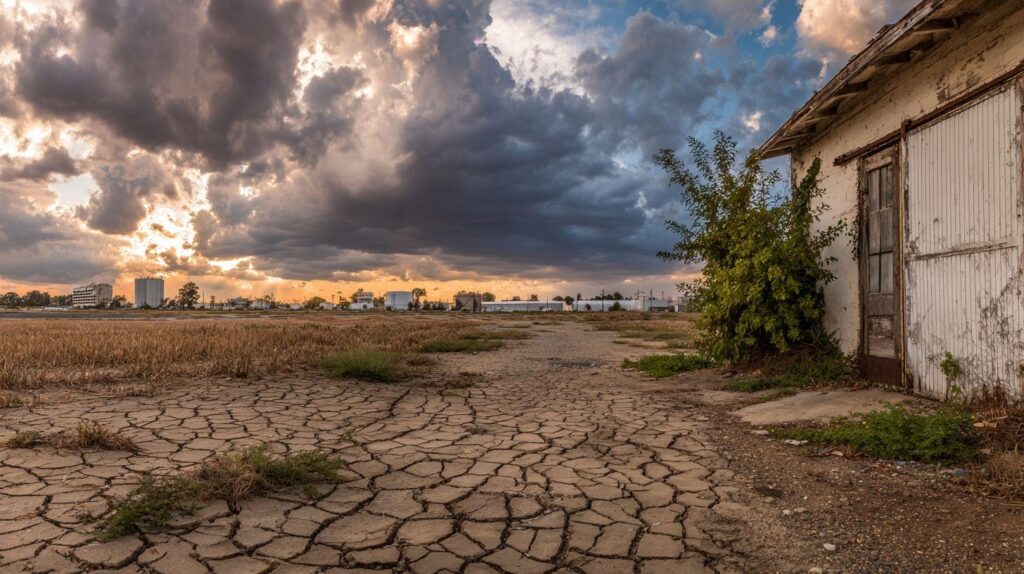
In South Africa mining, 15 operations were suspended due to community protests in 2022, leading to $2B annual losses. These events highlight how water scarcity fuels local anger over resource depletion. Businesses face production halts when communities block access amid drought and freshwater shortages.
The Peru Conga mine saw a $5B write-down after protests against its water impact shut down the project. Local farmers feared aquifer depletion from mining, eroding the company’s social license to operate. Such cases show stakeholder pressure as a core strategic business risk.
In India, the Vedanta refinery closure stemmed from community backlash over water pollution and overuse. Operations halted amid legal battles and boycotts, causing reputational damage. Experts recommend stakeholder engagement frameworks to rebuild trust through transparent water auditing.
Companies can mitigate this risk with proactive steps like community water projects and regular dialogues. Implementing sustainable sourcing and water conservation plans addresses grievances early. This approach supports business continuity in water-stressed regions.
Case Studies of Proactive Companies
Nestl has replenished 60% of its water use with a target of 100% by 2025, saving over $200 million since 2010 through its Replenish program. This initiative focuses on water stewardship in high-stress areas by restoring watersheds and improving local communities’ access to clean water. Companies like Nestl show how addressing water scarcity as a strategic business risk can drive cost savings and build resilience.
Proactive firms integrate water conservation into core operations to mitigate risks like supply chain disruptions and regulatory compliance issues. By investing in replenishment projects, they reduce their water footprint and enhance corporate risk management. These efforts also respond to stakeholder pressure and investor demands for strong ESG factors.
The table below details key examples from leading companies in the beverage industry.
| Company | Initiative | Investment | Results | Metrics |
| Nestl | Replenish | Multi-year global projects | Watershed restoration, community partnerships | 60% replenished, targeting 100% by 2025 |
| Unilever | Sustainable Living Plan | Supply chain efficiency upgrades | Reduced water use in manufacturing | 50% reduction in water per ton of production |
| PepsiCo | Positive Agriculture | Farmer training, tech adoption | Improved crop yields, water security | Net positive water impact in key basins |
| Coca-Cola | Water Replenish | Watershed projects worldwide | Replenished all used water | 100% replenished in priority areas |
These case studies highlight practical risk mitigation strategies such as sustainable sourcing and water auditing. Businesses can adopt similar approaches through scenario planning and tools like the WRI Aqueduct for water risk assessment. Early action on water stress prevents operational risks and supports long-term business continuity.
ROI of Water Stewardship Investments
Unilever achieved EUR100M in water savings from a EUR58M investment, delivering a 1.7x ROI. Companies often see average 3-7x returns on such efforts. These gains stem from targeted water conservation in operations.
ROI calculations typically break down into cost savings from reduced utility costs, risk reduction against supply chain disruption, and revenue growth via sustainable sourcing. For instance, beverage industry leaders like PepsiCo focus on water replenishment to cut operational risk. A balanced approach weights these at 65% for savings, 25% for risk mitigation, and 10% for new market opportunities.
Over a 5-year payback period, investments in wastewater recycling and smart irrigation often yield an internal rate of return above 25%. Pharmaceutical manufacturing firms use water auditing to enhance efficiency and meet regulatory compliance. This timeline aligns with enterprise risk management practices amid rising water stress.
Experts recommend scenario planning to model water scarcity impacts on ROI. Tools like the WRI Aqueduct help assess aquifer depletion risks in arid regions. Firms adopting zero water waste strategies build long-term water security while addressing ESG factors and investor demands.
Pathways to Resilience and Competitive Advantage
Use WRI Aqueduct and WWF Water Risk Filter for baseline assessment with these free tools. They help companies map water stress in operations and supply chains. Start your risk assessment by identifying high-risk areas like arid regions or transboundary rivers.
Follow a clear 5-step roadmap to build resilience against water scarcity. This approach turns strategic business risk into opportunities for sustainability. Companies like Nestle and PepsiCo have used similar steps for water stewardship.
First, conduct risk mapping with WRI tools to pinpoint vulnerabilities. Next, perform water auditing to measure your water footprint accurately. Then adopt technologies such as IoT sensors for better water usage efficiency.
- Risk mapping: Use WRI Aqueduct to evaluate basin-level water risks and WWF Water Risk Filter for site-specific insights.
- Water auditing: Track consumption across operations, revealing hidden losses in manufacturing or agriculture.
- Tech adoption: Deploy IoT for real-time monitoring, smart irrigation, and wastewater recycling to cut waste.
- Policy advocacy: Engage in water rights discussions and support allocation policies for fair access.
- Green bonds: Finance projects like rainwater harvesting through these instruments for long-term security.
These steps enhance competitive positioning by reducing operational risk and meeting ESG factors. Firms gain advantage through sustainable sourcing and circular economy practices. This leads to business continuity amid droughts and freshwater shortages.
2. Scientific Drivers of Water Scarcity
Scientific evidence confirms water scarcity driven by climate, demographics, and ecology. These factors create compounding strategic business risks for companies worldwide. Businesses face supply chain disruptions and operational risks as freshwater shortages intensify.
Climate change accelerates droughts and alters rainfall patterns, straining water stress in arid regions. Companies in the manufacturing sector and energy sector must assess their water footprint to avoid production halts. Examples like the Cape Town Day Zero crisis highlight sudden business continuity threats.
Demographic shifts, including population growth and urbanization, boost urban water demand in emerging markets. This leads to groundwater extraction and aquifer depletion, raising utility costs for industries like beverage industry and textile production. Firms need risk assessment to manage these pressures.
Ecological issues, such as surface water pollution and biodiversity loss, worsen resource depletion. The carbon water nexus ties this to global warming, impacting agriculture impact and food security. Businesses should adopt water auditing and sustainable sourcing for long-term security.
2.1 Climate Change as the Primary Driver
Climate change fuels water scarcity through erratic weather and prolonged megadroughts. Rising temperatures increase evaporation, reducing available freshwater in regions like California during its historic drought. Companies face regulatory compliance challenges as governments enforce stricter water rights.
IPCC climate projections warn of worsening El Nio effects, disrupting industrial water demand in the mining industry. Businesses can counter this with water conservation measures, such as smart irrigation in supply chains. This mitigates ESG factors and investor demands.
Adaptive strategies include scenario planning for desalination costs and water pricing hikes. Firms in semiconductor fabrication use precision agriculture tools to build water resilient supply chains. Early adoption prevents reputational damage from water crises.
2.2 Demographic Pressures and Urbanization
Population growth drives water crisis by escalating demand in developing countries. Urban expansion heightens hydration crisis risks, as seen in the Chennai water crisis. Industries like pharmaceutical manufacturing encounter allocation policies limiting access.
Transboundary rivers complicate matters under treaties like the Colorado River Compact. This creates litigation risk for global operations. Companies should pursue circular economy practices to reduce water usage efficiency gaps.
Water markets and trading schemes offer solutions, but require corporate risk management. Diversification into rainwater harvesting helps beverage giants achieve goals like PepsiCo water replenishment. This ensures business continuity amid demographic shifts.
2.3 Ecological Degradation and Resource Limits
Ecology contributes to scarcity via groundwater extraction and pollution from industrial runoff. Data center cooling exacerbates this in water-stressed areas. Firms must integrate sustainability reporting using tools like CDP water disclosure.
Wastewater recycling and IoT sensors enable zero water waste in operations. Examples from Nestle water stewardship show how auditing cuts environmental risk. This addresses stakeholder pressure effectively.
Ecological drivers link to WWF water risk filter insights, urging AI water management. Mining and energy sectors benefit from contingency planning to avoid production halt. Long-term, this fosters adaptive business models against depletion.
3. Economic Magnitude of the Crisis
Water scarcity costs the global economy $1.4T annually by 2030 according to the World Economic Forum, with projections rising to $165T by 2050 from the World Resources Institute. These figures highlight how water stress threatens GDP growth across sectors. Businesses face rising costs from disrupted operations and higher utility prices.
In arid regions like California during prolonged droughts, companies in the agriculture impact and manufacturing sectors halt production due to freshwater shortages. This leads to supply chain disruptions and increased commodity prices. Experts recommend risk assessment to quantify these vulnerabilities early.
The energy sector and mining industry bear heavy burdens from aquifer depletion and groundwater extraction limits. For instance, Cape Town’s Day Zero crisis forced industries to cut water usage, spiking operational risks. Firms can mitigate this through water auditing and efficiency measures.
Investor demands for ESG factors now include water-related disclosures, linking resource depletion to financial stability. Boards must prioritize corporate risk management via scenario planning. This shift underscores water scarcity as a core strategic business risk.
4. Sector-Specific Vulnerabilities
CDP reports that 92% of beverage companies and 89% of semiconductors cite water as a top risk. These figures highlight how water scarcity poses a strategic business risk across key industries. Four sectors alone drive most industrial water demand, facing existential threats from droughts and freshwater shortages.
The beverage industry depends on consistent water supplies for production and cleaning. Disruptions from water stress can halt bottling lines, as seen in past crises in arid regions. Companies must prioritize water auditing to map their water footprint.
Semiconductor fabrication requires ultra-pure water in massive volumes for chip manufacturing. Aquifer depletion and groundwater extraction limits threaten yields and raise utility costs. Firms adopt water recycling to build resilience against supply chain disruptions.
Other sectors like textile production and pharmaceutical manufacturing face similar operational risks. Regulatory compliance on water usage efficiency grows amid climate change. Leaders integrate risk assessment into corporate risk management for long-term security.
Beverage Industry
The beverage industry battles water scarcity in sourcing and processing. Brands like those producing soft drinks rely on local aquifers, vulnerable to drought and surface water pollution. This creates production halts and spikes in water pricing.
Experts recommend sustainable sourcing from replenished watersheds. Practices such as rainwater harvesting and wastewater recycling cut the water footprint. Companies aim for water neutrality, balancing usage with community replenishment efforts.
Stakeholder pressure from investors pushes ESG factors into focus. Reputational damage from overuse in water-stressed areas harms brands. Scenario planning helps prepare for business continuity amid rising litigation risk.
Semiconductors
Semiconductor fabrication guzzles water for cleaning and cooling processes. Facilities in arid regions like Taiwan face resource depletion, risking operational risk. Desalination costs soar as alternatives prove expensive.
Innovation in water tech, such as AI water management and IoT sensors, optimizes usage. Firms pursue zero water waste through advanced purification. This mitigates supply chain disruption from regional water crises.
Investor demands for sustainability reporting via tools like CDP disclosures intensify. Boards elevate water scarcity to C-suite priority. Risk mitigation strategies include diversifying plant locations for water resilient supply chains.
Textiles and Pharmaceuticals
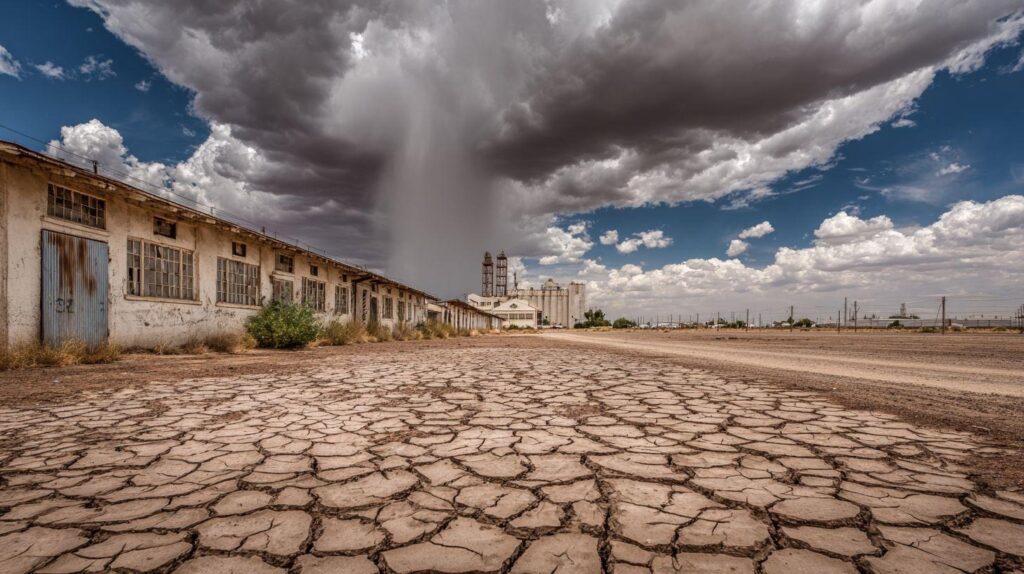
Textile production dyes and finishes fabrics with heavy industrial water demand. Groundwater extraction in emerging markets leads to freshwater shortage. Pollution controls add regulatory compliance burdens.
Pharmaceutical manufacturing needs pure water for synthesis and quality. Urban water demand from population growth competes directly. Both sectors benefit from circular economy models reusing process water.
Water conservation via precision technologies reduces exposure. Contingency planning addresses economic impact like halted exports. Integrating environmental risk into enterprise risk management ensures adaptability.
5. Operational Disruptions for Businesses
Unilever lost $100M+ from water shortages according to CDP disclosures. Many companies report disruptions from water scarcity. These issues create a strategic business risk across operations.
Procurement faces supply chain disruption when suppliers in arid regions cut production. For example, beverage firms struggle with Cape Town Day Zero style crises. This leads to delayed deliveries and higher costs.
Production halts occur during drought events, impacting sectors like textile production and semiconductor fabrication. Factories dependent on consistent freshwater shortage supplies shut down unexpectedly. Business continuity plans often fail without water resilience.
Workforce challenges arise from hydration crisis in water-stressed areas. Employees face health risks, reducing productivity. Companies must address operational risk through better water conservation.
Businesses can mitigate these via risk assessment and scenario planning. Implement water auditing to map water footprint. Adopt sustainable sourcing for long-term security.
6. Regulatory and Compliance Pressures
California’s Sustainable Groundwater Management Act (SGMA) of 2014 forced significant farm fallowing to address groundwater extraction issues. The EU Water Framework Directive imposes fines exceeding EUR100K for non-compliance with discharge standards. These rules highlight how government regulations turn water scarcity into a strategic business risk.
Businesses in arid regions face allocation policies that limit water rights during droughts. For example, manufacturing sectors must report water usage under new disclosure mandates. Failure to comply risks fines, production halts, and reputational damage from stakeholder pressure.
Experts recommend conducting water auditing to map compliance gaps early. Companies can adopt wastewater recycling and smart irrigation to meet standards. This approach supports corporate risk management amid rising ESG factors.
In the beverage industry, firms like those following Nestle water stewardship models integrate regulatory foresight into operations. Scenario planning for allocation changes helps avoid supply chain disruptions. Proactive steps ensure long-term water security and business continuity.
7. Financial and Investment Risks
Water risk adds 15-25% to project CAPEX according to McKinsey, while Moody’s water stress rating downgrades are rising. Businesses in arid regions face higher borrowing costs as lenders scrutinize water scarcity exposure. This turns strategic business risk into direct hits on balance sheets.
Investor demands for ESG factors amplify pressures, with funds pulling capital from firms ignoring water stress. Insurance premiums climb due to drought-related claims, straining cash flows in sectors like manufacturing and mining. Companies must integrate water risks into financial modeling to avoid surprises.
Regulatory compliance costs rise with water pricing hikes and allocation policies, especially in transboundary rivers basins. Production halts from freshwater shortage lead to lost revenue, as seen in Cape Town’s Day Zero scare. Firms adopting water auditing gain edges in securing green bonds.
Board oversight now treats water crisis as a C-suite priority, with scenario planning for groundwater extraction limits. Diversifying to water resilient supply chains protects against utility costs spikes. Early adopters of sustainable sourcing report steadier investment inflows.
Reputational and Market Risks
Nestl bottled water boycotts cost $50M+ sales (2015); 68% consumers avoid water-intensive brands. These events show how water scarcity turns into a strategic business risk. Consumer backlash can quickly erode market share.
Stakeholder pressure from communities and investors amplifies reputational damage. Brands face boycotts when seen as contributing to groundwater extraction or aquifer depletion. This leads to long-term loss of trust.
Competitors gain ground by promoting sustainable sourcing and water conservation. Companies ignoring ESG factors risk market exclusion. Proactive corporate risk management helps protect brand value.
To mitigate, conduct regular water auditing and disclose via CDP water disclosure. Build water resilient supply chains through wastewater recycling and rainwater harvesting. This counters reputational damage and supports business continuity.
Strategic Business Case for Action
Proactive companies achieve 25% lower water costs and 15% higher resilience as CDP A-listers. These firms treat water scarcity as a strategic business risk, not just an environmental issue. They build water resilience into core operations.
Case studies show strong ROI, with returns of $7 per $1 invested in water programs. Companies in the beverage industry like those pursuing water neutrality cut utility costs through efficiency. This approach shields against supply chain disruption from drought.
Experts recommend risk assessment and scenario planning to map water stress exposure. Firms auditing their water footprint spot vulnerabilities in manufacturing sector processes. Water conservation measures ensure business continuity amid climate change.
Integrating ESG factors meets stakeholder pressure and investor demands. Proactive steps reduce reputational damage and litigation risk. Long-term, they foster sustainable sourcing and circular economy practices for enduring gains.
Frequently Asked Questions
Why Water Scarcity is Becoming a Strategic Business Risk: What Does This Mean?
Water scarcity is becoming a strategic business risk because diminishing freshwater supplies due to climate change, population growth, and overuse are disrupting operations, supply chains, and profitability for companies worldwide. Businesses reliant on water for manufacturing, agriculture, or energy production face production halts, higher costs, and regulatory pressures, making it a critical issue for long-term strategic planning.
Why Water Scarcity is Becoming a Strategic Business Risk: Which Industries Are Most Affected?
Industries like agriculture, food and beverage, textiles, mining, and semiconductors are most affected by why water scarcity is becoming a strategic business risk. These sectors depend heavily on water for irrigation, processing, and cooling, leading to vulnerabilities such as crop failures, factory shutdowns, and escalated operational expenses in water-stressed regions.
Why Water Scarcity is Becoming a Strategic Business Risk: How Does Climate Change Contribute?
Climate change exacerbates why water scarcity is becoming a strategic business risk through prolonged droughts, altered precipitation patterns, and melting glaciers, reducing reliable water sources. Businesses must now factor in unpredictable water availability, which can lead to supply disruptions and force costly relocations or investments in alternative technologies.
Why Water Scarcity is Becoming a Strategic Business Risk: What Are the Financial Implications?
The financial implications of why water scarcity is becoming a strategic business risk include rising water prices, compliance fines for overuse, and stranded assets in water-scarce areas. Companies ignoring this risk may see profit margins shrink by 10-20% in affected operations, while proactive firms gain competitive edges through efficiency and innovation.
Why Water Scarcity is Becoming a Strategic Business Risk: How Can Businesses Mitigate It?
Businesses can mitigate why water scarcity is becoming a strategic business risk by adopting water-efficient technologies, recycling wastewater, diversifying supply chains to less-stressed regions, and conducting water risk assessments. Strategic investments in these areas not only reduce vulnerability but also enhance sustainability credentials and investor appeal.
Why Water Scarcity is Becoming a Strategic Business Risk: What Role Do Regulations Play?
Regulations play a key role in why water scarcity is becoming a strategic business risk, with governments imposing stricter allocation quotas, pollution controls, and usage permits in overexploited basins. Non-compliance can result in operational bans or taxes, compelling businesses to integrate water stewardship into their core strategies to avoid legal and reputational damage.