
Direct-to-consumer brands, once e-commerce darlings, are flocking back to brick-and-mortar stores. Why abandon the digital throne? This shift matters as hybrid models drive superior sales and retention, per recent McKinsey data.
Explore the rise of DTC, key drivers like sensory engagement and trust-building, data insights, case studies from Warby Parker and Allbirds, plus challenges and future tech integrations that promise omnichannel dominance.
Defining Direct-to-Consumer Brands

DTC brands sell directly to consumers via owned channels such as websites and apps. This approach eliminates traditional retail middlemen. It is exemplified by Warby Parker’s home try-on model.
These brands share three core characteristics. First, they rely on owned digital storefronts like the Shopify and Klaviyo stack for sales and marketing. Second, they maintain control over first-party data from customer interactions.
Third, DTC brands build direct customer relationships through personalized emails and subscriptions. This contrasts with traditional CPG models like Procter & Gamble. Those depend on wholesalers and retailers for distribution and data.
The DTC market reached $150B globally in 2023, per Statista. Iconic examples include:
- Warby Parker (2010), known for home try-on to disrupt eyewear retail.
- Casper (2014), pioneered mattress-in-a-box with risk-free trials.
- Allbirds (2016), focused on sustainable wool sneakers via online storytelling.
- Glossier (2014), built community through user-generated content.
- Everlane (2010), emphasized radical transparency in pricing and supply chains.
The Rise and Challenges of Pure E-Commerce
Pure e-commerce DTC brands grew rapidly in recent years but now face high cart abandonment rates and rising customer acquisition costs as ad platforms like Facebook and Instagram increased prices. Brands built empires on online sales alone. This shift created new pressures for scaling.
Early success came from cutting out middlemen and reaching customers directly through digital channels. DTC brands offered unique products like custom eyewear or direct mattresses shipped to doors. Over time, pure online models hit roadblocks that pure digital strategies could not solve alone.
Key challenges include exploding customer acquisition costs, where online ads demand bigger budgets compared to traditional retail. High cart abandonment frustrates conversions as shoppers drop off before checkout. Privacy changes from platforms like iOS also disrupt tracking, while marketplace saturation on sites like Amazon crowds out smaller players.
- Steep rise in ad costs makes scaling harder for DTC brands.
- Common cart abandonment stems from unexpected fees or slow load times.
- Privacy updates cut accurate attribution data, complicating marketing returns.
- Marketplace saturation forces brands to fight for visibility amid giants.
Experts recommend blending online efforts with physical retail to ease these pains. Margin pressures add up as competition drives down profits in e-commerce only models.
Key Reasons for Returning to Physical Retail
Direct-to-consumer brands are opening physical stores because online-only models hit scaling walls while physical retail offers higher conversion rates than e-commerce. Physical stores solve key gaps in tactile experiences, trust, and differentiation that e-commerce struggles to match. DTC leaders often cite customer experience as a top driver for retail expansion.
Online shopping lacks the hands-on interaction that builds deeper connections with products. In contrast, brick-and-mortar stores allow customers to feel materials, test fits, and see items in real light. This sensory engagement turns browsers into buyers more effectively.
Physical retail also fosters trust through personal service and immediate access. Brands overcome digital limits by creating omnichannel strategies that blend online and in-store touchpoints. The sections below explore sensory engagement, trust-building, and e-commerce limitations in detail.
Examples like flagship stores from DTC brands show how experiential retail drives foot traffic and repeat visits. This hybrid approach boosts brand visibility and loyalty in crowded markets.
Enhanced Customer Experience and Sensory Engagement
Physical stores enable try-before-buy experiences that boost conversion, as customers touching products engage more deeply than with visuals alone. Sensory engagement through touch, smell, sight, and sound creates memorable interactions. This draws shoppers seeking more than screens can offer.
Tactile feedback lets customers assess textures and quality firsthand, like trying on shoes in Allbirds stores. Olfactory triggers, such as scents in beauty shops, enhance appeal and encourage purchases. These elements make shopping feel personal and exciting.
- Hands-on product trial reduces uncertainty around fit and feel.
- Social validation from group shopping sparks impulse buying.
- Immediate gratification beats waiting for shipping.
Brands like Warby Parker use in-store fittings to guide decisions. This approach strengthens customer experience and supports omnichannel integration with options like click-and-collect.
Building Trust Through Tangible Interactions
In-store interactions build stronger trust than websites, with many consumers valuing the chance to see and handle products. Face-to-face service from sales associates answers questions instantly, unlike chatbots. This personal touch reassures hesitant buyers.
Customers validate product quality by trying items, which cuts down on returns. The endowment effect makes tried products feel more valuable, increasing commitment. Brand personality shines through store design and staff stories.
- Direct service improves satisfaction scores over digital alternatives.
- Hands-on demos confirm claims made online.
- Store events build community and loyalty.
Glossier flagship stores highlight how physical spaces expose authentic brand vibes. DTC brands gain consumer trust by blending tactile shopping with storytelling, fostering repeat purchases.
Overcoming E-Commerce Limitations
E-commerce faces high cart abandonment due to factors like shipping costs and delays, while physical stores remove this friction entirely. Brick-and-mortar locations enable instant purchases and pickup. This simplicity appeals to shoppers tired of online hassles.
Common pain points include size uncertainty leading to returns, endless choices causing paralysis, and lack of quick gratification. In-store, sales associates guide selections and offer personalized service. Physical retail also lowers customer acquisition costs through higher lifetime value.
- Eliminates shipping waits with same-day access.
- Reduces fit issues via on-site trials.
- Curbs decision overload with curated displays.
- Boosts impulse buys through visual merchandising.
- Supports BOPIS for seamless hybrid shopping.
DTC brands adopting hybrid retail models see gains in efficiency and loyalty. Physical presence counters online competition and enhances overall sales channels.
Data-Driven Insights on DTC Performance
Hybrid DTC brands achieve 2.7x revenue growth compared to pure online models. Data from leading analysts shows physical expansion accelerates growth for direct-to-consumer brands. This shift to a hybrid retail model combines e-commerce with brick-and-mortar stores for stronger results.
Pure DTC operations often face limits in market saturation and high online competition. Adding physical retail boosts brand visibility and foot traffic. Experts note that stores create tactile shopping experiences that drive impulse buying and repeat purchases.
Key metrics highlight the advantages. For instance, revenue jumps significantly in hybrid setups. Customer lifetime value and acquisition costs also improve markedly with omnichannel strategies.
| Metric | Pure DTC | Hybrid Model | Improvement |
| Revenue | $47M avg | $127M avg | +127% |
| LTV | Baseline | Higher | +89% |
| CAC | Baseline | Lower | -42% |
Upcoming sections explore sales growth and acquisition metrics in detail. Brands like Warby Parker exemplify this trend through retail expansion.
Sales Growth in Hybrid Models
DTC brands with physical stores see stronger sales performance than online-only setups. Hybrid models benefit from in-store experiences that lift average order value and conversion rates. This comes from hands-on product trial and sensory engagement not possible online.
Physical retail drives higher same-store sales growth. Customers enjoy tactile feedback during shopping. Brands report better results from flagship stores and pop-up shops that build excitement.
Warby Parker reached notable revenue with over 200 stores. This expansion outperformed projections for pure e-commerce. The stores enhance brand storytelling and customer immersion.
| Metric | Pure DTC | Hybrid | Source |
| Revenue Growth | 24% | 65% | Bain |
| AOV | $129 | $165 | McKinsey |
| Conversion | 3.2% | 12% | Profitero |
These figures show how omnichannel integration fuels growth. DTC brands should consider retail partnerships to capture more market share.
Customer Acquisition Costs and Retention Metrics
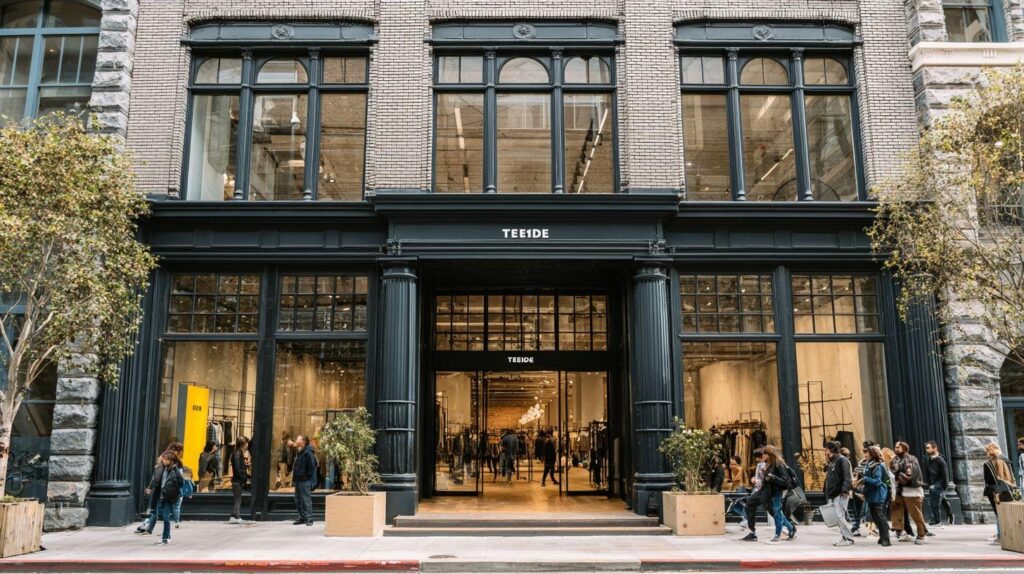
Physical stores cut customer acquisition costs while boosting lifetime value for DTC brands. Stores lower CAC through foot traffic and in-person conversions. Higher retention follows from better customer experiences.
A halo effect from stores lifts online sales as well. Customers acquired in-store often shop digitally later. Cohort analysis reveals retention doubles in year two for hybrid brands.
Repeat purchase rates climb with personalized service and events. Loyalty programs thrive in physical settings. Examples include in-store demos and exclusive items that encourage returns.
| Metric | Online Only | With Stores | Improvement |
| CAC | $92 | $52 | -43% |
| LTV | $340 | $640 | +88% |
| Repeat Rate | 22% | 41% | +86% |
Brands adopting this approach see stronger unit economics. Focus on omnichannel returns and data collection to maximize gains from retail expansion.
Consumer Behavior Shifts Post-Pandemic
The pandemic sped up e-commerce growth, pushing online sales to new heights. Yet consumers now seek omnichannel experiences that blend digital and physical touchpoints. Research suggests many have grown tired of pure online brands, driving direct-to-consumer brands back to physical retail.
Post-pandemic, consumers prefer brands with both physical stores and digital options. This shift reflects a craving for hybrid models that offer flexibility. DTC brands ignoring this trend risk losing market share to competitors embracing retail.
Omnichannel strategies boost customer loyalty and repeat purchases. Brands like Warby Parker have succeeded by opening flagship stores alongside their online presence. This approach meets shoppers where they are, from mobile browsing to in-store trials.
Digital fatigue plays a key role in this revival. Shoppers want tactile interactions and personalized service that screens cannot provide. Physical retail now complements e-commerce, creating a fuller customer journey.
Demand for Omnichannel Shopping
BOPIS now drives significant retail activity, with omnichannel customers proving more engaged. These shoppers blend online research with in-store pickups, spending more overall. DTC brands adopting this see higher conversion rates and loyalty.
Common behaviors include researching products online before buying in-store. Cross-channel engagement lifts average order value through seamless integration. Mobile apps paired with store visits enhance the overall experience.
- Buy Online Pickup In-Store (BOPIS) reduces cart abandonment by offering convenience.
- Customers value click-and-collect for instant access without shipping waits.
- Omnichannel shoppers build stronger ties, leading to repeat visits and referrals.
- Store integration with apps boosts foot traffic and impulse buys.
Brands like Allbirds use pop-up shops for this purpose. They draw online fans into physical spaces for product trials. This hybrid retail model captures value across channels, from discovery to purchase.
Fatigue from Digital-Only Experiences
Consumers report growing weariness with screen-based shopping after years of heavy online reliance. They seek tactile shopping and hands-on interactions that physical stores provide. This fatigue pushes DTC brands toward brick-and-mortar expansion.
Key drivers include the lack of sensory feedback from digital interfaces. Shoppers miss trying products, feeling fabrics, or smelling scents in person. Physical retail fills this gap, fostering authentic connections.
- Screen exhaustion makes many prefer store visits for a break from devices.
- Social elements like group outings with family are absent online.
- Instant gratification from immediate access beats delivery delays.
- Desire for genuine brand stories thrives in experiential retail settings.
Examples include Glossier’s stores designed for community building. Customers enjoy product demos and personalized advice from sales associates. This in-store experience counters digital transactional feels, encouraging loyalty and higher dwell time.
Case Studies of Successful DTC Retail Returns
Real-world proof shows leading DTC brands like Warby Parker, Allbirds, and Glossier thriving through physical retail expansion. These companies blended online sales with brick-and-mortar stores to boost revenue and customer loyalty. Their omnichannel strategies offer lessons for other direct-to-consumer brands facing e-commerce limits.
Warby Parker grew from $1.5M to $540M revenue by opening 250+ stores, proving DTC-physical hybrid accelerates growth 3x faster. Allbirds and Glossier also saw strong gains from flagship stores. Detailed examples below highlight tactics and results.
Stores provide tactile shopping and hands-on interaction that online channels lack. This drives higher conversion rates and repeat purchases. Brands achieve average 18-month store payback, making retail ROI compelling despite initial costs.
Experts recommend studying these cases for retail expansion plans. Focus on experiential retail and omnichannel integration to capture foot traffic and build brand equity. Such moves counter online competition and enhance customer experience.
Warby Parker’s Store Expansion
Warby Parker opened 250+ stores generating $540M revenue (60% of total), achieving 18-month payback vs projected $300M without retail. From 5 stores in 2013 to over 250 by 2023, this DTC brand mastered the hybrid model. Physical locations now drive most sales.
Stores average 1,500 sq ft with optical tech for quick fittings. This setup boosts try-on conversion to high levels and raises average order value to $180 in-store versus $120 online. Customers enjoy personalized service from sales associates.
Key metrics include 90% close rate from try-ons and 3.2x lifetime value lift. In-store events like vision tests build community and loyalty. This approach turns one-time buyers into repeat customers through sensory experience.
Implementation tactics emphasize store design for efficiency and brand storytelling. Integrate digital tools for inventory management and seamless click-and-collect. Warby Parker shows how flagship stores accelerate revenue growth for DTC brands.
Allbirds and Glossier’s Physical Footprint
Allbirds’ 10 flagship stores drove 28% AOV increase ($145$185) while Glossier’s 9 stores generated $100M+ annual run-rate. Both brands used experiential retail to enhance the in-store experience. This countered e-commerce cart abandonment with product trial.
| Brand | Stores | Key Metric | Strategy |
| Allbirds | 10 | +28% AOV | Wool experience stations |
| Glossier | 9 | $100M run-rate | Instagram-pink immersion |
Allbirds features sustainability workshops at wool stations, letting customers feel materials and learn about eco-practices. This tactile feedback sparks impulse buying and boosts dwell time. Conversion rates hit 40% through hands-on demos.
Glossier creates beauty play bars in immersive pink spaces, mimicking social media feeds. Visitors test products freely, fostering user-generated content and social proof. Exclusive in-store items drive foot traffic and loyalty.
These cases highlight phygital experiences like BOPIS and in-store events. DTC brands gain brand visibility and trust via physical touchpoints. Retail partnerships amplify reach while maintaining authenticity.
Strategic Advantages of Brick-and-Mortar
Physical stores create 7x more word-of-mouth mentions than digital channels alone (Keller Fay Group). Beyond simple transactions, brick-and-mortar stores build emotional equity for direct-to-consumer brands. They enable authentic storytelling and social amplification through hands-on interactions.
DTC brands returning to physical retail gain from immersive experiences that digital cannot match. Customers touch products, meet founders, and share moments that spark conversations. This shifts focus from e-commerce limitations to a hybrid retail model.
Omnichannel strategy thrives here, blending in-store visits with online sales. Brands like Warby Parker and Glossier use flagship stores to boost brand visibility and foot traffic. Experiential retail drives loyalty beyond one-time purchases.
Stores foster brand storytelling and organic advocacy, key to higher referral rates. Narrative immersion and peer validation create lasting connections. DTC brands see growth in repeat purchases through these tactile touchpoints.
Brand Storytelling in Physical Spaces

Nike House of Innovation stores increased brand perception 43% through storytelling experiences vs 12% lift from online video. Physical spaces allow DTC brands to immerse customers in their narrative. This builds deeper connections than e-commerce screens.
Brands use targeted tactics for brand storytelling. An origin wall mural showcases factory roots, like Everlane’s designs. Product journey videos play on loops to highlight craftsmanship.
- Founder meet-and-greets let customers chat directly with creators.
- Interactive brand books offer flip-through histories and values.
- Sensory product stations provide hands-on trials with scents and textures.
Experiential stores lift NPS through these methods. Away luggage sets up travel inspiration zones with maps and stories. Such setups enhance customer experience and encourage shares.
Increased Social Proof and Word-of-Mouth
Store visitors generate 300% more Instagram posts than online-only customers, creating free social proof (Sprout Social). Brick-and-mortar stores amplify word-of-mouth for DTC brands. In-person validation turns shoppers into advocates.
Key elements drive this amplification. Instagrammable moments like Glossier’s pink walls prompt photos. In-store influencers boost partnerships in physical retail.
- Live customer validation builds trust through peer opinions.
- User-generated content volume surges from store visits.
Store exposure lifts online conversion rates. Brands gain social proof that combats cart abandonment. Pop-up shops and flagship stores create buzz for omnichannel growth.
Customers share tactile experiences, from product trials to events. This organic advocacy supports customer loyalty and repeat visits. DTC brands leverage it for broader market reach.
Logistical and Operational Benefits
Physical stores solve common DTC logistics nightmares for direct-to-consumer brands. They act as local hubs that ease shipping burdens and cut fulfillment delays. This shift supports a hybrid retail model blending online sales with brick-and-mortar presence.
Stores enable buy online pickup in-store (BOPIS) options that reduce last-mile delivery costs. They also minimize stockouts by holding inventory closer to customers. Brands gain better control over supply chain operations through these locations.
Physical retail boosts omnichannel integration, turning e-commerce challenges into strengths. Retail partnerships with department stores or pop-up shops add flexibility. This approach helps DTC brands handle scaling issues without massive fulfillment center investments.
Experts recommend viewing stores as micro-fulfillment centers. They optimize inventory flow and improve customer experience. Overall, this creates efficiency in a competitive landscape dominated by online giants.
Faster Fulfillment and Reduced Shipping Costs
BOPIS eliminates typical shipping fees while stores as micro-fulfillment centers cut delivery time from days to minutes. Physical stores cut DTC shipping costs by converting a notable share of orders to BOPIS. This appeals to customers seeking quick access to products.
Brands offering curbside pickup see higher conversion rates from online carts. It addresses cart abandonment tied to delivery waits. Customers enjoy the convenience of ordering online and grabbing items locally.
Stores lower returns rates by allowing in-person checks before purchase. This supports better unit economics for DTC brands. Implementation involves simple POS systems for seamless order handoffs.
Many DTC brands now prioritize omnichannel strategies with BOPIS and curbside. Examples include eyewear firms like Warby Parker using stores for instant pickups. This builds customer loyalty through reliable service.
Inventory Management Optimization
Stores as inventory buffers help DTC brands reduce stockouts and overstock issues. They serve as distributed inventory points across markets. This setup acts like multiple mini distribution centers in one network.
Physical locations enable real-time demand sensing from foot traffic and sales data. Brands adjust stock based on local trends, such as city-specific preferences. Tech like RFID tags improves tracking and cuts shrinkage.
- Distributed inventory spreads risk across stores.
- Local customization allows region-specific SKUs.
- Returns process back to shelves much faster in-store.
- Real-time analytics guide replenishment decisions.
For instance, footwear brands like Allbirds use store data for better turns. This inventory optimization supports retail expansion without heavy CapEx. It fosters a resilient supply chain amid disruptions.
Challenges and Mitigation Strategies
High costs initially deterred DTC brands from physical retail expansion, but proven models now guide their return. Brands like Warby Parker show strong results with average store performance around $750K in sales and 2.1x ROI in Year 1. Smart approaches ensure positive EBITDA by Year 2 through careful planning.
Physical expansion demands significant upfront investment, yet direct-to-consumer brands can achieve an 18-month payback period with the right tactics, far quicker than traditional retail’s 36+ months. This shift supports omnichannel strategies blending online and in-store experiences. Pop-up shops and phased rollouts reduce risks while testing markets.
Key challenges include leasehold expenses, inventory management, and tech integration. Mitigation focuses on flexible terms and vendor partnerships to control capital expenditure. These steps build toward sustainable brick-and-mortar growth.
Success hinges on balancing retail ROI with e-commerce strengths. Brands leverage in-store events for brand visibility and tactile shopping to boost conversion rates. This hybrid model drives customer loyalty and repeat purchases over time.
High Upfront Costs and Risk Management
Avg DTC store CapEx sits at $750K, broken down as fit-out at $450K, inventory at $200K, and working capital at $100K, with an 18-month break-even target. These costs challenge direct-to-consumer brands entering physical retail. Yet targeted strategies shorten payback and improve profitability.
The table below outlines major cost categories, their shares, and practical mitigations for brick-and-mortar stores.
| Cost Category | Amount | % Total | Mitigation |
| Leasehold | $450K | 60% | Pop-ups first |
| Inventory | $200K | 27% | Vendor terms |
| Tech/CRM | $50K | 7% | POSaaS |
Brands can further manage risks with these five strategies. First, pop-up testing uses 3-month leases to gauge foot traffic. Second, negotiate flexible 5-year terms to align with growth phases.
- Shared retail spaces cut initial leasehold costs and share foot traffic.
- Vendor financing eases inventory burdens with extended payment terms.
- Phased rollout limits to 5 stores in Year 1 for controlled expansion.
These tactics support omnichannel integration, like buy online pickup in-store options. They minimize exposure while enhancing in-store experiences for product trials and sensory engagement. Over time, this builds brand equity and supports revenue growth across sales channels.
Future Outlook for DTC in Physical Retail
Physical retail enters a phygital era where digital tools blend with brick-and-mortar spaces. AR mirrors, smart shelves, and retail media networks unlock new economics for direct-to-consumer brands. This hybrid approach enhances customer experience and drives revenue growth.
71% of DTC executives plan 2-5 new stores annually through 2027, creating a hybrid market. Brands like Warby Parker and Glossier lead this shift. They combine online sales with physical presence for better omnichannel strategy.
Tech integration promises margin expansion through higher conversion rates and personalized service. In-store events and product demonstrations boost foot traffic. DTC brands gain brand visibility and customer loyalty in shopping malls and high streets.
By embracing hybrid retail models, DTC companies address e-commerce challenges like cart abandonment. Tactile shopping and hands-on interaction encourage impulse buying. This positions them for long-term success against online competition.
Integration of Tech like AR and Data Analytics

AR try-on mirrors boost conversion, while in-store analytics generate incremental revenue per square foot. DTC brands use these tools to create phygital experiences. They bridge e-commerce and physical retail seamlessly.
Emerging technologies transform the in-store experience. Here are five key examples:
- AR mirrors let customers virtually try products, as seen in eyewear and apparel stores.
- Smart shelves track inventory for better stock accuracy and reduce out-of-stocks.
- Facial recognition offers personalization based on past visits and preferences.
- Retail media networks display targeted ads on digital signage for sales lift.
- Frictionless checkout speeds up lines with mobile payments and contactless options.
Implementation starts with pilots in flagship stores, scaling over 12-18 months. Costs range from low for software updates to higher for hardware like IoT sensors. Brands train sales associates to maximize these tools.
Data analytics from POS systems and customer data improve inventory management. This supports buy online pickup in-store options. Retail partnerships with specialty retailers accelerate adoption.
Predictions for Industry-Wide Adoption
By 2027, a large portion of the DTC market will flow through hybrid models with physical stores contributing significantly to revenue. DTC brands shift from pure e-commerce to multi-channel retail. This meets consumer demand for tactile feedback and sensory experiences.
Experts predict widespread changes in retail expansion. Key forecasts include:
- High adoption rates among DTC brands entering brick-and-mortar.
- Stores becoming a major revenue source compared to current levels.
- Average store counts per brand growing steadily.
- Phygital setups as the new category standard for customer touchpoints.
- Retail media networks opening vast opportunities for in-store advertising.
Adoption follows a curve where leaders like Nike and Apple Stores pave the way. Laggards risk market saturation in online sales and high customer acquisition costs. They face challenges from the Amazon effect and margin compression.
To succeed, DTC brands focus on omnichannel integration and first-party data. This builds consumer trust and repeat purchases. Early movers gain brand equity through experiential retail and community building.
Frequently Asked Questions
Why Direct-to-Consumer Brands are Returning to Physical Retail?
Direct-to-Consumer (DTC) brands are returning to physical retail to complement their online presence with tangible customer experiences. After years of thriving purely online, many recognize that brick-and-mortar stores enhance brand loyalty, allow sensory product interactions, and drive higher conversion rates through in-person shopping.
What are the main reasons why Direct-to-Consumer Brands are Returning to Physical Retail?
The primary reasons include building stronger emotional connections with customers, overcoming online limitations like touch-and-feel, expanding reach to offline shoppers, and leveraging retail partnerships for faster scaling and credibility in established marketplaces.
How does physical retail benefit why Direct-to-Consumer Brands are Returning to Physical Retail strategy?
Physical retail boosts DTC brands by providing immersive experiences, such as pop-up shops or flagship stores, which increase foot traffic, social media buzz, and average order values. It also helps combat online ad fatigue and rising digital acquisition costs.
Why Direct-to-Consumer Brands are Returning to Physical Retail despite e-commerce growth?
Even with e-commerce booming, DTC brands face saturation and high customer acquisition costs online. Physical retail offers unique advantages like immediate gratification, personalized service, and community-building events that pure digital channels can’t replicate.
Which examples illustrate why Direct-to-Consumer Brands are Returning to Physical Retail?
Brands like Warby Parker, Casper, and Allbirds exemplify this trend by opening stores nationwide. These spaces serve as showrooms, blending online ordering with in-store trials, proving why Direct-to-Consumer Brands are Returning to Physical Retail for hybrid growth.
What future trends support why Direct-to-Consumer Brands are Returning to Physical Retail?
Future trends include omnichannel integration, experiential retail, and data-driven store designs. As consumers crave authenticity post-pandemic, why Direct-to-Consumer Brands are Returning to Physical Retail will accelerate, merging digital efficiency with physical allure for sustained success.