
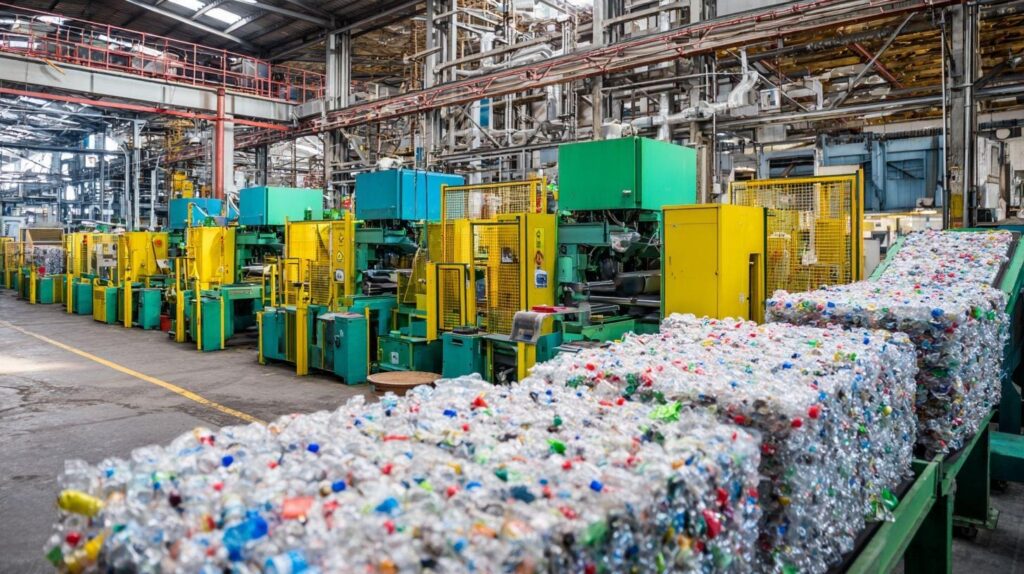
From Kenya’s beaches cleared of plastic waste to the EU’s sweeping Single-Use Plastics Directive, global bans are reshaping the packaging industry overnight. These policies promise environmental salvation but unleash economic turbulence, from soaring costs to supply chain chaos. Explore the economic shocks, innovative adaptations, regulatory hurdles, and real-world case studies-like California’s ban outcomes-that reveal winners, losers, and a sustainable path forward.
Definition and Scope of Bans
Plastic bans prohibit specific single-use plastics: bags (<50 microns in EU), straws, stirrers, cutlery, and polystyrene foam containers. These regulatory policies aim to cut plastic waste and promote environmental protection. They target items that contribute to marine debris and pollution control.
The EU Plastic Directive bans 10 common items, including plastic plates, balloon sticks, and cotton bud sticks. California’s rules focus on checkout bags thicker than 2.25 mils, while India’s ban covers bags under 50 microns. Such measures drive the packaging industry toward sustainability.
Bans vary by jurisdiction, often starting with high-volume waste sources like retail and food packaging. They encourage plastic alternatives such as paper packaging or compostable materials. Businesses must adapt to these changes for regulatory compliance.
Understanding ban scope helps packaging manufacturers plan supply chain changes. For instance, polystyrene foam containers face widespread restrictions due to poor recycling rates. This pushes innovation in biodegradable materials and reusable packaging.
| Item | First Banned | Jurisdictions | Alternatives |
| Plastic bags (<50 microns) | 2002 | India, EU | Paper bags, reusable totes |
| Plastic straws | 2018 | EU, California | Paper straws, bamboo straws |
| Plastic stirrers | 2019 | EU, UK | Bamboo stirrers, wooden sticks |
| Plastic cutlery | 2019 | EU, California | Compostable cutlery, wooden forks |
| Polystyrene foam containers | 1990s | California, New York | Cardboard boxes, bagasse trays |
| Plastic checkout bags (>2.25 mils) | 2016 | California | Recycled paper bags |
| Cotton bud sticks (plastic) | 2019 | EU | Bamboo sticks, paper sticks |
| Plastic plates and bowls | 2021 | EU | Sugarcane pulp plates |
Global Timeline of Major Bans
2017: Kenya implements total plastic bag ban with $38K fines; 2018: EU approves Single-Use Plastics Directive; 2020: California expands to all grocery bags. These milestones highlight the rapid spread of plastic bans worldwide. They target single-use plastics to cut down plastic waste and marine debris.
Bangladesh started early in 2002 with a ban on thin polythene bags after floods worsened by plastic clogging. This set a precedent for linking plastic bans to environmental protection. Enforcement relied on strict penalties and public awareness campaigns.
The timeline shows a shift toward broader regulatory policies. Countries moved from bags to items like straws, cutlery, and multilayer packaging. Packaging manufacturers faced supply chain changes and had to explore plastic alternatives.
| Year | Country/Region | Items Banned | Enforcement | Impact Metric |
| 2002 | Bangladesh | Thin polythene bags | Strict fines, factory closures | Reduced flooding risks |
| 2009 | China | Ultra-thin plastic bags | Retail bans, fees on thicker bags | Shift to reusable bags |
| 2014 | California, USA | Single-use plastic bags | Local ordinances, bag fees | Increased paper packaging use |
| 2016 | France | Plastic bags, cups, plates | National law, compostable mandates | Boost in biodegradable materials |
| 2017 | Kenya | Plastic bags | $38K fines, jail time | Sharp drop in litter |
| 2018 | EU | Straws, cutlery, plates | Single-Use Plastics Directive | Market push for alternatives |
| 2019 | New Zealand | Single-use plastic bags | Retailer compliance deadlines | Consumer shift to reusables |
| 2020 | California, USA | All grocery bags, polystyrene | Statewide expansion | Styrofoam ban effects |
| 2021 | Canada | Checkout bags, straws, stirrers | Federal ban phases | Supply chain adaptations |
| 2022 | India | Multilayer plastic packaging | Extended Producer Responsibility | Drive for compostable packaging |
This timeline draws from World Bank enforcement data on ban implementation. It reveals patterns in packaging industry disruption. Businesses adapted through material substitution like paper packaging and bioplastics.
Objectives and Environmental Rationale
Bans aim to cut ocean plastic annually, targeting single-use plastics that make up a large share of marine debris. These measures address the growing crisis of plastic waste polluting waterways and harming ecosystems. Governments and organizations drive these efforts through campaigns like the UNEP Clean Seas initiative.
Key objectives focus on multiple fronts of environmental protection. First, waste reduction targets massive annual volumes entering landfills and oceans. Second, marine protection safeguards numerous species entangled or ingesting plastics.
- Microplastics elimination prevents tiny particles from entering food chains and human systems.
- GHG reduction cuts emissions from plastic production and disposal.
- Biodiversity protection preserves habitats threatened by plastic accumulation.
Practical examples include bans on plastic bags and straws, promoting biodegradable materials like paper packaging. The packaging industry adapts by investing in circular economy practices, such as reusable packaging, to meet these goals and improve sustainability.
Overview of the Packaging Industry
The global packaging market reached $1.1T in 2023, with plastics comprising 40% ($440B) due to PET bottles and HDPE containers. Plastics dominate because of their low cost, around $1.50/kg compared to paper at $1.80/kg, and superior performance. This industry serves food and beverage segments primarily, protecting products from spoilage and damage during transport.
Plastics offer lightweight design that cuts shipping expenses and fuel use. Companies rely on them for flexible films and rigid bottles in everyday items. As plastic bans emerge, the sector faces pressure to shift toward sustainable options like paper packaging.
The $1.1T scale underscores the industry’s role in supply chains worldwide. Single-use plastics drive efficiency in retail and e-commerce. Regulatory policies now push for circular economy practices to reduce plastic waste.
Experts recommend assessing plastic alternatives early to manage ban implementation costs. Businesses adapt by investing in biodegradable materials and reusable packaging. This transition affects production costs and compliance across the board.
Role of Plastics in Packaging
Plastics provide barrier properties: PET bottles extend shelf life longer than glass; HDPE containers reduce food waste effectively. Common types include PET for 35% of beverages, HDPE for 20% of containers, PP for 20% of films, and PS for 10% of foam. These materials seal in freshness and block oxygen or moisture.
MaterialBarrier PropertiesShelf Life ExtensionWeight Advantage PETExcellent oxygen barrierProlongs liquids50% lighter than glass HDPEGood moisture resistanceProtects dry goodsLightweight for stacking PPHigh heat tolerancePreserves filmsThin yet strong PSInsulates foamKeeps food hot/coldMinimal added weight
| Material | Barrier Properties | Shelf Life Extension | Weight Advantage |
| PET | Excellent oxygen barrier | Prolongs liquids | 50% lighter than glass |
| HDPE | Good moisture resistance | Protects dry goods | Lightweight for stacking |
| PP | High heat tolerance | Preserves films | Thin yet strong |
| PS | Insulates foam | Keeps food hot/cold | Minimal added weight |
Performance edges make plastics ideal for food safety and transport. Plastic bans challenge these benefits, prompting material substitution. Research suggests testing alternatives for similar durability.
Industry players explore compostable packaging to match these traits. For example, switching PS foam in trays requires checking barrier properties. This shift demands lifecycle assessment for true sustainability.
Market Size and Economic Contribution
The packaging industry generates $1.1T in global revenue for 2023, employs millions of workers, and supports GDP in key regions. North America holds $250B, while Asia leads at $450B. Growth comes from e-commerce and consumer demand for convenience.
RegionMarket SizePlastic ShareJobsGrowth Rate North America$250BHighMillionsSteady Asia$450BDominantBillions impactedRapid EuropeLarge shareDecliningSignificantRegulated OthersGrowingVariableExpandingEmerging
| Region | Market Size | Plastic Share | Jobs | Growth Rate |
| North America | $250B | High | Millions | Steady |
| Asia | $450B | Dominant | Billions impacted | Rapid |
| Europe | Large share | Declining | Significant | Regulated |
| Others | Growing | Variable | Expanding | Emerging |
Fortune 500 companies in packaging report strong revenues from plastic products. Bans introduce cost implications like higher production expenses for alternatives. Firms invest in R&D for bioplastics to protect profit margins.
Stakeholder engagement helps navigate economic effects. Retailers adapt to regulations such as EU plastic directives. This fosters job creation in green packaging innovation.
Key Segments Affected (Food, Beverages, Retail)
Food packaging with high plastic use faces the greatest disruption; beverages relying on PET bottles need urgent substitution. Segments like retail produce bags also shift quickly under bans. Examples include food trays and multipacks now targeted by policies.
SegmentPlastic Usage %Annual VolumeBan Impact LevelExample Products Food45%HighSevereTrays, films Beverages80% PETMassiveCriticalBottles, multipacks RetailSignificantGrowingModerateProduce bags
| Segment | Plastic Usage % | Annual Volume | Ban Impact Level | Example Products |
| Food | 45% | High | Severe | Trays, films |
| Beverages | 80% PET | Massive | Critical | Bottles, multipacks |
| Retail | Significant | Growing | Moderate | Produce bags |
Beverage makers test cardboard boxes and plant-based plastics for replacement. Food sectors evaluate barrier properties in new materials to avoid spoilage. Retailers push reusable packaging to cut waste.
Compliance costs rise with enforcement challenges. Consumer behavior drives demand for eco-friendly options, boosting brand reputation. Companies adopt ESG criteria through technology like mushroom packaging.
Economic Impacts
Plastic bans create significant economic pressure on the packaging industry. Companies face higher costs for plastic alternatives and must adapt to new regulatory policies. While these measures aim for environmental protection, they lead to market disruption and supply chain changes.
Businesses report increased production costs as they shift from single-use plastics to compostable packaging or paper packaging. This transition demands investment in R&D for eco-friendly packaging. Retailers and brand owners experience profit margin squeezes during ban implementation.
Job losses occur in traditional plastic manufacturing, but opportunities arise in green packaging sectors. Extended producer responsibility programs encourage circular economy practices. Industry innovation in biodegradable materials helps offset some revenue impacts.
Stakeholder engagement is key for business adaptation. Converters and packaging manufacturers navigate compliance costs while exploring zero-waste initiatives. Overall, these bans push the sector toward sustainability amid economic effects.
Cost Increases for Alternative Materials
Paper bags cost 3x more than plastic ones, and compostable PLA cups run about 2.5x higher. These cost implications stem from material substitution challenges in the packaging industry. Companies must weigh expenses against consumer demand for plastic-free alternatives.
| Material | Cost/kg | Cost vs Plastic | Scalability |
| rPET | $1.80/kg | +20% | High |
| Paper | $2.10/kg | +40% | Medium |
| Bioplastic | $3.50/kg | +130% | Low |
Pricing from sources like the ICIS index highlights these gaps. Biodegradable materials often lack the scalability of traditional plastics for food packaging or beverage packaging. Firms test durability and barrier properties to ensure shelf life extension.
Practical steps include lifecycle assessment for cost-benefit analysis. Brands adopt plant-based plastics or bamboo packaging where feasible. This shift supports waste reduction while addressing production costs.
Revenue Losses and Job Reductions
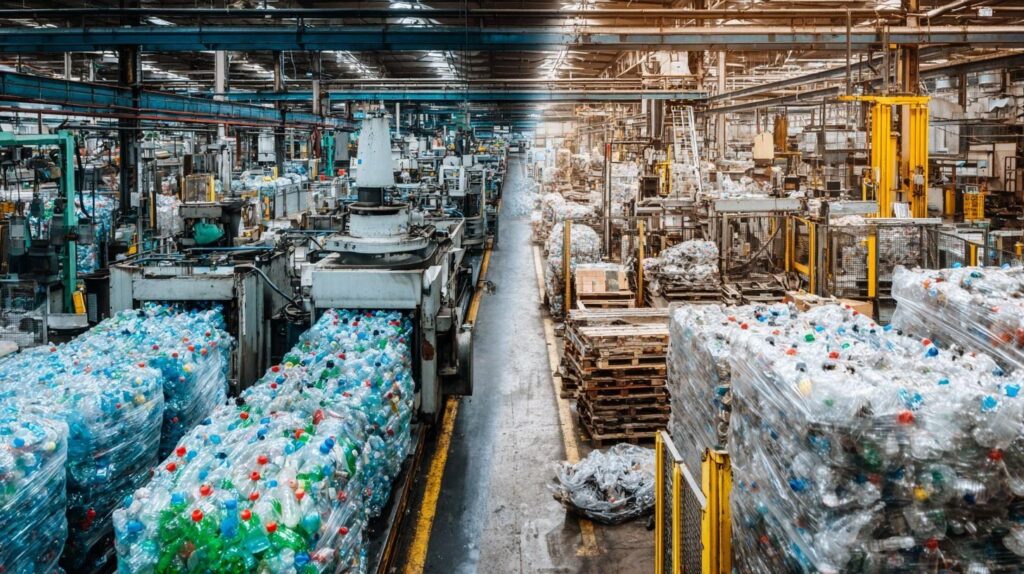
California’s ban led to notable retail losses, and India’s measures affected many in the plastic industry. These examples show revenue impact from regulatory compliance across regions. Packaging manufacturers face profit margin hits as demand for single-use plastics drops.
| Region | Revenue Loss | Jobs Lost | New Green Jobs | Timeline |
| EU | EUR2B | 30K | Emerging | 2021-2025 |
| California | $300M annual | Thousands | Growing | Ongoing |
| India | Significant | 1M | In development | Post-ban |
Reports like those from Oxford Economics outline these shifts. Job losses hit converters reliant on PET bottles or HDPE containers, but green jobs emerge in recycling rates improvement. Policy analysis reveals enforcement challenges in emerging markets.
Businesses adapt through technology adoption for reusable packaging. Case studies from Kenya’s bag ban stress the need for transition timelines. Investment in R&D fosters growth opportunities despite challenges ahead.
Supply Chain Disruptions
Resin suppliers saw sharp revenue drops after the EU ban, with converters delaying operations for six months to source paper pulp. These supply chain changes ripple through the packaging industry during plastic bans. Brand owners scramble to maintain production for retail packaging and e-commerce packaging.
- Resin surplus builds as PET goes unsold.
- Converters invest heavily in retooling production lines.
- Brands face reformulation delays for flexible packaging or rigid packaging.
- Logistics costs rise with heavier paper, straining shipping.
Cases like Coca-Cola’s supply halt underscore real-world impacts. Market disruption affects plastic films, polypropylene, and polystyrene foam alternatives. Companies conduct performance comparisons to match original barrier properties.
To mitigate, experts recommend stakeholder engagement early. Retailers adapt by prioritizing scalable plastic alternatives like mushroom packaging or algae materials. This fosters resilience amid pollution control efforts and marine debris reduction.
Innovation and Adaptation Strategies
Plastic bans have driven the packaging industry to invest heavily in new solutions. Companies have poured resources into bioplastics and other alternatives to meet regulatory demands and consumer expectations for sustainability. This shift supports environmental protection by cutting down plastic waste.
Firms focus on compostable packaging and reusable options to replace single-use plastics. These innovations help with compliance to policies like the EU plastic directive and extended producer responsibility programs. The result is a move toward a circular economy with less marine debris and ocean plastic.
Adaptation involves material substitution, such as mushroom packaging or seaweed-based films, alongside improvements in recycling. Brand owners and manufacturers collaborate on supply chain changes to lower production costs over time. This strategy boosts brand reputation and aligns with ESG criteria.
Challenges like scalability and performance remain, but ongoing R&D promises growth in eco-friendly packaging. Retailers adapt by adopting green packaging for food and beverage items. Overall, these strategies turn market disruption into opportunities for waste reduction.
Shift to Biodegradable and Compostable Materials
PLA compostables grew rapidly in response to plastic bans. PHB bioplastics certified compostable in shorter times than paper stand out for their efficiency. These biodegradable materials offer practical alternatives for food packaging and retail needs.
Companies test these materials for barrier properties and shelf life extension. For instance, starch blends work well in flexible packaging, while PBS suits rigid applications like beverage containers. Certifications ensure they meet standards for industrial composting.
| Type | Degradation Time | Cost | Applications | Certifications |
| PLA | Months in industrial conditions | Higher than traditional plastics | Food trays, cups | OK Compost logo requires 90% disintegration |
| PBS | Soil and compost breakdown | Moderate premium | Bags, films | ECM Compostable verification |
| Starch Blends | Fast in home compost | Cost-competitive | Disposable cutlery, wrappers | OK Compost Home standards |
This table highlights key comparisons for plastic alternatives. Manufacturers use lifecycle assessments to check carbon footprint and durability. The shift reduces microplastics and supports pollution control efforts.
Investment in R&D for Alternatives
Unilever invested significantly in packaging R&D from 2020 to 2025. PepsiCo launched a fund for bioplastics development. These efforts drive industry innovation amid ban implementation worldwide.
Investments target plant-based plastics, algae materials, and bamboo packaging. Partnerships with startups speed up technology adoption for e-commerce and retail packaging. This addresses compliance costs and production challenges.
| Company | Investment | Focus | Timeline | Partners |
| Danone | $400M | Compostable dairy packaging | 2022-2027 | Bio-based material suppliers |
| Nestl | $1.2B | Reusable and recyclable systems | 2021-2030 | Research institutes |
| Unilever | $1B | Zero-waste initiatives | 2020-2025 | Universities |
| PepsiCo | $200M | Bioplastic bottles | Ongoing | Tech firms |
Such commitments from company sustainability reports show focus on circular economy goals. They create jobs in green sectors and improve recycling rates. Stakeholders benefit from enhanced corporate sustainability.
Recycling Technology Advancements
Chemical recycling yields higher purity rPET compared to mechanical methods. Enzymatic PET recycling shows promise with low operating costs. These advances help the packaging industry adapt to plastic bans and EPR programs.
Technologies improve resource conservation and reduce greenhouse gas emissions. Companies apply them to PET bottles and HDPE containers, boosting recycling rates. This counters challenges from Styrofoam bans and plastic taxes.
| Method | Purity | Cost/kg | Scale | Companies |
| Mechanical | Standard levels | Lower initial | Widespread | Traditional recyclers |
| Chemical (Carbios enzyme tech) | High rPET quality | Competitive long-term | Scaling up | Carbios |
| PureCycle | Ultra-pure output | Efficient operations | Commercial plants | PureCycle |
Experts recommend these for beverage packaging and flexible films. They extend material lifecycles and cut down on virgin plastic use. Integration supports consumer demand for sustainable options and public awareness initiatives.
Environmental and Sustainability Effects
Bans on single-use plastics have driven notable reductions in plastic waste across regions like the UK. While these measures cut waste significantly since 2015, they also boosted paper use, sparking concerns over deforestation. This shift highlights the need for lifecycle assessments to weigh net environmental gains against material trade-offs.
Plastic bans promote waste reduction and pollution control, yet substituting with paper or glass often increases other impacts like higher carbon emissions from transport. Experts recommend comprehensive lifecycle assessments for true sustainability. Regulatory policies must balance these effects to support the circular economy.
Industry players adapt by exploring biodegradable materials and reusable packaging. For instance, retailers shift to compostable options in food packaging. These changes foster innovation but require stakeholder engagement to minimize unintended consequences.
Overall, ban implementation advances environmental protection while challenging the packaging industry to innovate. Transitioning to eco-friendly packaging demands careful planning around supply chain changes and compliance costs. Sustainable outcomes depend on informed material substitution.
Reduction in Plastic Waste and Pollution
Plastic bans in regions like Kenya have sharply cut annual bag waste, while the EU Directive aims to prevent billions of plastic items from entering the environment each year. These measures target single-use plastics to reduce plastic waste and marine debris. Beach cleanups in areas like California show clear declines in ocean plastic.
Regulatory policies drive down pollution through enforcement and public awareness. Governments monitor progress with beach surveys and waste tracking programs. This supports biodiversity protection and cleaner waterways.
| Region | Waste Reduction | Marine Impact | Monitoring Method |
| Kenya | Bag waste sharply cut | Less marine debris | Government audits |
| EU | Billions of items prevented | Reduced ocean plastic | Directive reporting |
| California | Beach cleanups down notably | Fewer plastics on shores | Ocean Conservancy data |
Brands adapt by adopting plastic-free alternatives like paper packaging for retail needs. Consumer behavior shifts toward supporting these changes boost recycling rates. Long-term, such bans encourage the packaging industry to prioritize pollution control.
Trade-offs with Other Materials (e.g., Paper, Glass)
Shifting from plastic to alternatives like paper bags often means higher emissions, as paper requires more CO2 in production compared to plastic. Glass adds weight, raising transport emissions due to its density. These material substitutions demand careful evaluation through lifecycle assessments.
Plastic alternatives such as paper and glass bring trade-offs in resource use and landfill impact. Paper strains forests, while glass demands more energy. The packaging industry faces supply chain changes to balance these issues.
| Material | CO2/kg | Water Use | Landfill Impact | Example |
| Plastic | Lower | Moderate | Slow breakdown | PET bottles |
| Paper | Higher | High | Biodegradable | Cardboard boxes |
| Glass | Much higher | High | Inert, heavy | Beverage bottles |
Businesses mitigate risks by testing biodegradable materials for food packaging durability. Thinkstep and Sphera LCA studies guide decisions on eco-friendly options. This approach aids compliance with plastic taxes and EPR programs.
Carbon Footprint Comparisons
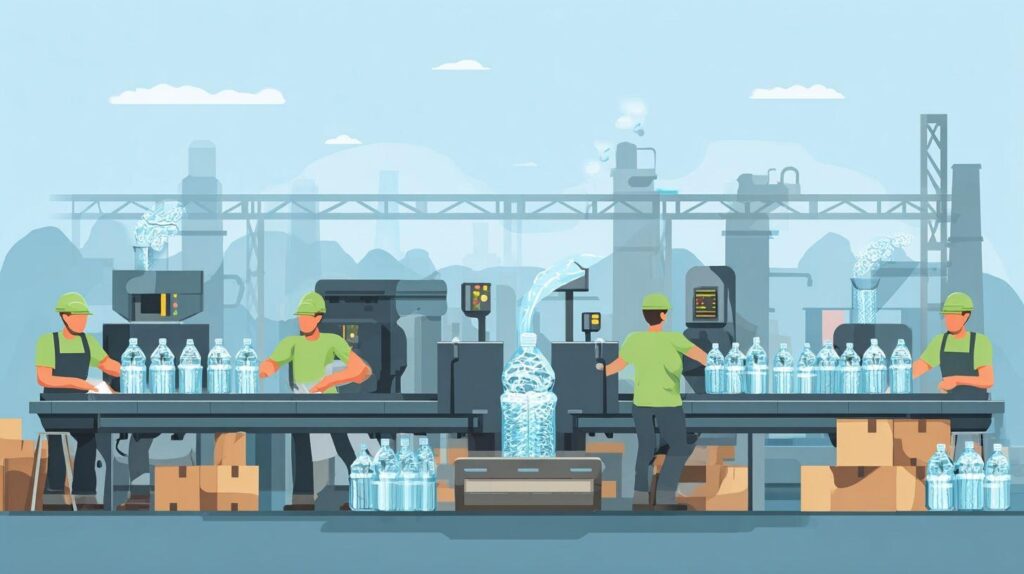
Recycled PET bottles show lower CO2 emissions than virgin PET, highlighting benefits of recycling in the packaging industry. Paperboard cartons for milk carry notable footprints from production. Accurate comparisons rely on cradle-to-grave analysis.
Carbon footprint varies widely by material and process. Bans push innovation in low-emission alternatives like plant-based plastics. Companies invest in R&D to cut greenhouse gas emissions across supply chains.
| Packaging Type | Cradle-to-Grave CO2 | Data Source |
| rPET bottles | Lower than virgin | Ellen MacArthur Foundation |
| Virgin PET | Higher baseline | Ellen MacArthur Foundation |
| Paperboard milk cartons | Moderate to high | Ellen MacArthur Foundation |
Practical steps include adopting deposit return schemes for reusable packaging. Retailers test bamboo or seaweed options for e-commerce needs. These efforts align with corporate sustainability and ESG criteria while addressing ban impacts.
Regulatory and Policy Challenges
A global patchwork of regulations on single-use plastics creates confusion for the packaging industry. Enforcement gaps arise from differing definitions of banned items across countries. Varying thickness limits for plastic films and bags add trade barriers, complicating supply chains.
Multinational companies face high costs to adapt to these rules. For example, what counts as biodegradable in one region may not qualify elsewhere. This leads to delays in ban implementation and higher compliance costs.
Government regulations like the EU plastic directive push for plastic alternatives, but inconsistent enforcement slows progress. Businesses must navigate extended producer responsibility programs while addressing environmental protection goals. Trade barriers from these policies disrupt exports of PET bottles and HDPE containers.
Stakeholder engagement helps, yet small manufacturers struggle with rapid changes. The focus on sustainability drives innovation in compostable packaging, but policy alignment remains a key challenge ahead.
Compliance Costs and Enforcement Issues
EU fines reach EUR100K per violation, while India’s 84K seizures cost manufacturers significantly in recent years. These enforcement challenges strain the packaging industry. Companies must track national reports to avoid penalties on plastic films and polystyrene foam.
Compliance costs include testing for material substitution and staff training. Small and medium enterprises face higher relative burdens from frequent audits. Switching to paper packaging or reusable options adds upfront production costs.
| Region | Fine Structure | Seizures 2023 | Audit Frequency | SME Impact |
| EU | Up to EUR100K/violation | Thousands reported | Annual for large firms | High adaptation costs |
| India | 1L+ per incident | 84K incidents | Quarterly checks | Supply chain disruptions |
| Kenya | Up to $40K | Hundreds seized | Random inspections | Job losses in conversion |
| California | $1K-$5K daily | Dozens documented | Bi-annual audits | Shift to eco-friendly packaging |
Experts recommend lifecycle assessments to compare plastic alternatives. Retailers adapt by adopting cardboard boxes for food packaging. This reduces risks from chemical leaching and microplastics.
Influence on Trade and Exports
China’s 2018 plastic import ban stranded significant US recycling exports, while EU rules block Asian PET shipments. These measures create market disruption in the packaging industry. Exporters face new tariff changes and supply chain changes.
Trade barriers from varying plastic bans limit flexible packaging flows. Beverage packaging makers pivot to bioplastics to maintain access. WTO disputes highlight conflicts over pollution control standards.
| Trade Flow | Volume Affected | Tariff Changes | WTO Disputes |
| US to China | Recycling waste | Ban enforced | Ongoing challenges |
| Asia to EU | PET shipments | Higher duties | Multiple cases |
| India to Africa | Plastic bags | Import restrictions | Regional filings |
| Global rigid packaging | HDPE containers | Selective tariffs | Pending reviews |
Businesses counter this by investing in circular economy practices like deposit return schemes. E-commerce packaging shifts to mushroom packaging reduce ocean plastic risks. Long-term, these policies spur R&D in seaweed packaging for better trade resilience.
Case Studies
Real-world implementations reveal mixed results from plastic bans in the packaging industry. The EU cut billions of single-use plastic items but saw a sharp rise in paper use. Kenya achieved major waste reduction, while California’s efforts faced consumer shifts and legal hurdles.
These diverse cases highlight environmental protection alongside economic challenges like supply chain changes and material substitution. Lessons include the need for circular economy strategies and business adaptation to plastic alternatives such as biodegradable materials.
Examining timelines, compliance, and outcomes offers practical insights for packaging manufacturers navigating regulatory policies. Key takeaways emphasize stakeholder engagement and innovation in eco-friendly packaging.
European Union Single-Use Plastics Directive
The 2019 Directive banned 10 items, targeting single-use plastics like straws, cutlery, and plates. It aimed to curb marine debris and ocean plastic pollution. European Commission progress reports note widespread adoption across member states.
Timeline: Implementation began in 2021, with full enforcement by mid-decade. Items banned include plastic beverage stirrers and cotton bud sticks. Compliance rates reached high levels, driven by fines and public awareness campaigns.
Environmental results show reduced plastic waste on beaches and in wastewater. However, shifts to paper packaging increased resource use. Economic impact involved compliance costs for retailers and innovation in compostable packaging.
Key learnings: Effective ban implementation requires extended producer responsibility programs. Packaging converters adapted via R&D in bioplastics and reusable packaging, balancing sustainability with production costs.
California’s Plastic Bag Ban Outcomes
California’s 2016 ban targeted thin plastic bags at checkout, promoting plastic-free alternatives. It sought to lower landfill waste and encourage consumer behavior changes. References from the CA Department of Resources Recycling track pre- and post-ban shifts.
Pre/post usage: Retailers reported drops in plastic bag distribution, but paper bag use rose significantly. Recycling rates for remaining plastics improved slightly with better infrastructure. Retail costs climbed due to pricier substitutes like cardboard boxes.
Consumer behavior adapted slowly, with many opting for reusable totes over time. Court challenges questioned enforcement and exemptions for food packaging. Outcomes underscore market disruption in retail packaging.
Key insights: Bans drive industry innovation but highlight durability issues with alternatives. Businesses focused on lifecycle assessment to compare carbon footprints, aiding transition to green packaging.
Developing Nations’ Experiences (e.g., Kenya, India)
Kenya’s ban eliminated most plastic bags, fostering waste reduction and pollution control. India’s measures disrupted flexible packaging but spurred informal adaptations. World Bank and UNEP evaluations compare enforcement across contexts.
These cases reveal enforcement challenges in diverse economies. Kenya used strict penalties, while India faced scalability issues. Both highlight economic recovery through job creation in alternative materials.
| Metric | Kenya | India |
| Enforcement Method | Heavy fines, community policing | State-level rules, inspections |
| Economic Recovery | Shift to reusable bags, local manufacturing | Informal sector growth in jute, cloth |
| Environmental Impact | Rapid drop in roadside litter | Mixed, with river plastic persisting |
| Business Adaptation | Investment in biodegradable materials | Job shifts to paper packaging |
Lessons include public awareness boosting consumer demand for eco-friendly packaging. Packaging manufacturers in both nations explored mushroom packaging and plant-based plastics for sustainability.
Future Outlook and Recommendations
The bioplastics market heads toward significant growth by 2028 with an 18% compound annual growth rate, while circular packaging systems offer promise to reduce waste substantially. Tech-driven solutions like advanced biodegradable materials and AI-optimized designs balance economic needs with environmental protection. These innovations help the packaging industry adapt to plastic bans without sacrificing performance.
Industry leaders expect reusable packaging and compostable options to dominate future supply chains. For instance, companies adopting mushroom-based packaging report smoother transitions to plastic-free alternatives. This shift supports sustainability while maintaining cost efficiency for brand owners and retailers.
Government regulations, such as extended producer responsibility programs, will drive further change. Experts recommend investing in R&D for eco-friendly packaging to meet rising consumer demand. Overall, the outlook points to a resilient packaging sector thriving amid ban implementation.
Stakeholder engagement remains key to success. Retailers adapting to zero-waste initiatives see improved brand reputation. The focus on circular economy principles ensures long-term viability for food and beverage packaging.
Emerging Trends in Packaging
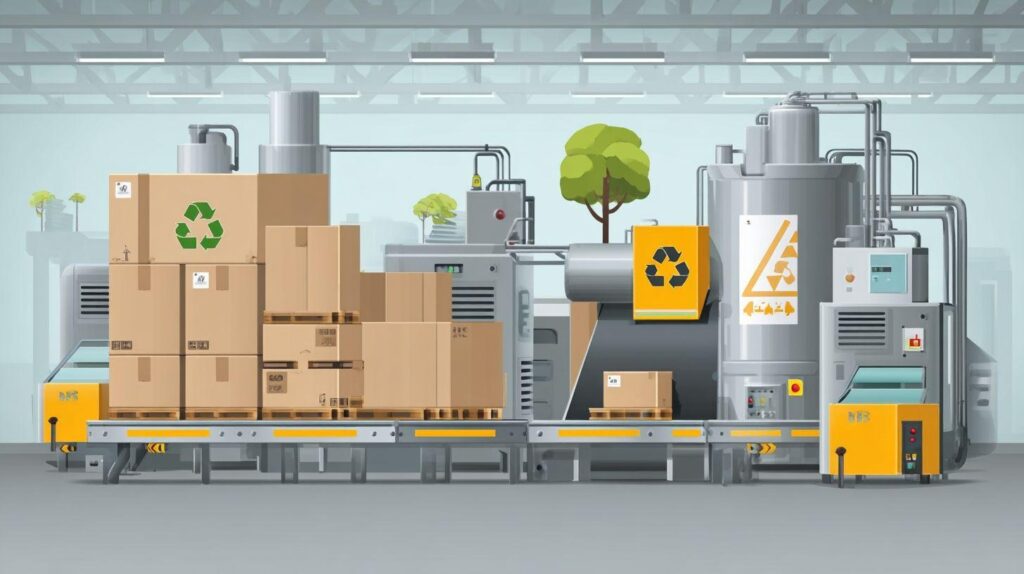
Mushroom mycelium packaging scales rapidly year over year, and algae-based films now match PET barrier properties at a reasonable cost premium. These trends lead innovation in the packaging industry post-plastic bans. Experts from packaging publications highlight their potential for sustainable alternatives.
Here are the top seven emerging trends, ranked by adoption potential:
- Mycelium packaging from innovators like Ecovative grows as a compostable substitute for Styrofoam in protective cushioning.
- Seaweed packaging by companies such as Notpla dissolves in water, ideal for single-use items in food service.
- Digital watermark sorting enhances recycling rates by enabling precise material identification at scale.
- AI packaging design optimizes material use, reducing waste in e-commerce and flexible packaging.
- Bamboo-based rigid packaging offers durability for beverage containers with low carbon footprint.
- Plant-based plastic films improve shelf life in fresh produce packaging.
- Reusable modular systems cut costs for retailers through repeated use in supply chains.
These developments address plastic waste challenges while supporting business adaptation. For example, seaweed coatings prevent food spoilage in retail settings. The circular economy benefits from such scalable solutions.
Policy Recommendations for Balanced Bans
Implement extended producer responsibility with clear producer accountability, and standardize definitions for items under 75 microns globally. These steps ensure plastic bans promote fairness across the packaging industry. Policy experts emphasize harmonized approaches to avoid market disruption.
Follow these ten specific recommendations for effective ban implementation:
- Make lifecycle assessments mandatory for all new packaging materials to evaluate full environmental impact.
- Launch deposit return schemes proven effective in Europe for high return rates on bottles and containers.
- Offer R&D tax credits to encourage innovation in biodegradable and compostable packaging.
- Develop harmonized international standards for plastic alternatives to ease global supply chain changes.
- Enforce gradual phase-outs with transition timelines allowing industry adaptation.
- Promote consumer education campaigns to boost demand for eco-friendly packaging options.
- Integrate recycling infrastructure investments tied to ban policies for better waste management.
- Require performance testing for alternatives to match plastic durability in food safety applications.
- Establish stakeholder forums with manufacturers, retailers, and regulators for ongoing feedback.
- Monitor economic impacts through annual reviews to adjust policies and support job creation in green sectors.
Such measures balance environmental protection with economic viability. Real-world cases, like bag bans in various regions, show success with proper support. This approach fosters industry innovation and reduces compliance costs over time.
Frequently Asked Questions
The Impact of Plastic Bans on the Packaging Industry: What Are They?
Plastic bans refer to government regulations prohibiting single-use plastics like bags, straws, and Styrofoam in packaging. The impact of plastic bans on the packaging industry includes forcing a shift to alternatives such as paper, bioplastics, or reusable materials, increasing production costs and requiring innovation in sustainable designs.
How Does the Impact of Plastic Bans on the Packaging Industry Affect Costs?
The impact of plastic bans on the packaging industry often raises short-term costs due to the higher price of alternatives like biodegradable materials, which can be 2-3 times more expensive than traditional plastics. However, long-term savings may emerge from reduced waste management and improved brand loyalty among eco-conscious consumers.
What Innovations Are Driven by the Impact of Plastic Bans on the Packaging Industry?
The impact of plastic bans on the packaging industry accelerates R&D in compostable films, edible packaging, and recyclable composites. Companies are investing in technologies like mycelium-based packaging from mushrooms, helping the industry adapt and potentially lead global sustainability trends.
Which Sectors in the Packaging Industry Feel the Greatest Impact of Plastic Bans?
The impact of plastic bans on the packaging industry hits food and beverage sectors hardest, as they rely heavily on lightweight plastic for preservation. Retail and e-commerce packaging also faces challenges, prompting a surge in paper-based and rigid reusable options to comply with bans in regions like the EU and California.
What Are the Environmental Benefits of the Impact of Plastic Bans on the Packaging Industry?
The impact of plastic bans on the packaging industry reduces ocean pollution and landfill waste, with studies showing up to 80% less microplastic leakage from alternatives. It encourages circular economy practices, where packaging is designed for reuse, recycling, or biodegradation, benefiting ecosystems long-term.
How Can Companies Mitigate the Negative Impact of Plastic Bans on the Packaging Industry?
To counter the impact of plastic bans on the packaging industry, companies should diversify suppliers for bio-based materials, invest in recycling infrastructure, and collaborate on industry standards. Early adopters like Unilever have successfully transitioned, turning regulatory challenges into competitive advantages through sustainable branding.