
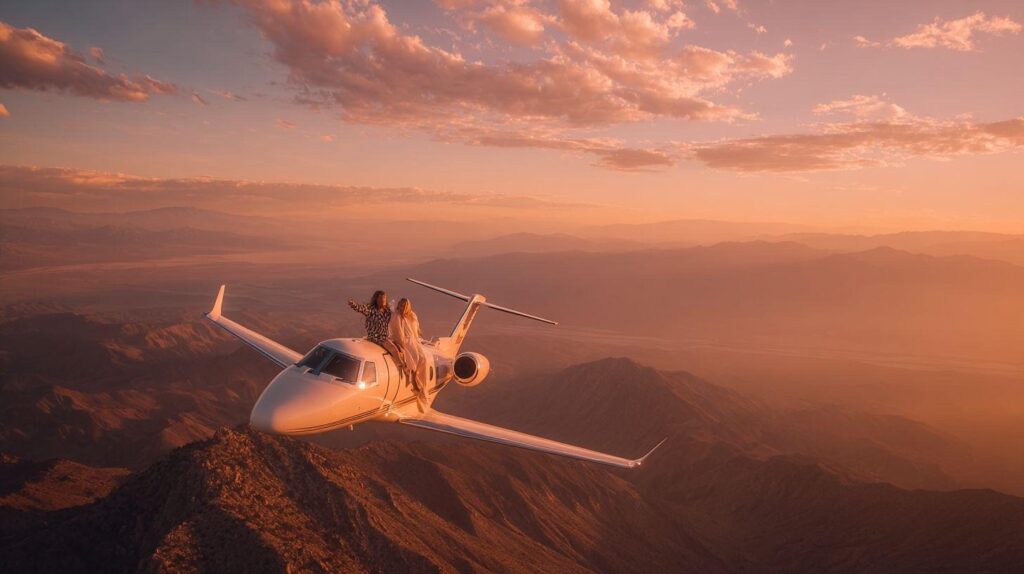
In an era where LVMH reports experiences outpacing product sales by 20%, luxury is undergoing a profound transformation. Affluent consumers now crave indelible memories over material possessions, driven by millennial and Gen Z preferences, social media’s visual allure, and psychological peaks like the peak-end rule. This article explores the trends, value comparisons, brand successes, and bold predictions reshaping high-end markets-revealing why the future favors the experiential.
Current Trends Driving the Change
Post-pandemic revenge spending has fueled a surge in experiential luxury bookings. Affluent consumers now prioritize immersive experiences over traditional items. This shift marks the experience economy reshaping luxury.
Three key macro trends lead this change: generational shifts favor memories, digital amplification spreads aspirational content, and pandemic acceleration boosted demand for high-end travel. Google Trends data reveals searches for luxury experiences rose sharply since 2020.
These forces propel the luxury market evolution, where premium experiences like yacht charters and wellness retreats outpace designer handbags. Brands adapt through experiential marketing to build emotional connections.
The transition highlights why experiences replace products, offering lasting value through memorable moments and social capital in the future of luxury.
Millennial and Gen Z Preferences
Research suggests millennials and Gen Z lean toward luxury trips over designer goods, reflecting Gen Z preferences for authenticity. These generations drive the experiential shift in luxury consumption.
| Generation | Key Values | Preferred Experiences |
| Millennials | Status and memories | Aman Resorts stays, bespoke adventures |
| Gen Z | Sustainability and authenticity | Carbon-neutral safaris, ethical luxury tours |
Experts note millennials luxury packages at Four Seasons yield strong returns compared to product collaborations. Gen Z favors sustainability luxury, seeking regenerative tourism options.
- Millennials book exclusive events like private concerts for status symbols.
- Gen Z pursues transformative journeys such as cultural immersions.
- Both value personalized services in high-end travel over tangible products.
- They embrace experiential gifting, like multi-generational trips for family bonding.
Social Media Influence
Instagram posts featuring luxury experiences draw higher engagement than product posts, powering customer engagement. Platforms amplify Instagram-worthy moments, influencing affluent consumers.
| Platform | Key Metric | Example Content |
| Reels boost engagement | Yacht charters, fashion shows | |
| TikTok | Adventure travel growth | Safari expeditions, helicopter tours |
| Professional appeal | Executive retreats, golf resorts |
Gucci’s campaigns, like those promoting brand experiences, direct traffic to experience bookings. The FOMO luxury effect, backed by neuroscience on peer influence, accelerates this trend.
Social media creates aspirational lifestyle pulls, with hot air balloon rides or Michelin-star dining going viral. Brands leverage this for phygital experiences, blending online buzz with real-world immersion.
Products vs. Experiences: The Value Comparison
Louis Vuitton handbags depreciate quickly while curated luxury experiences hold lasting appeal. A framework comparing tangible products to intangible experiences reveals differences across five metrics: depreciation, social currency, emotional ROI, resale value, and longevity. Physical items like designer handbags often lose worth over time, but memories from high-end travel or exclusive events grow in value.
Social currency favors experiences, as sharing a private concert or yacht charter builds connections among affluent consumers. Emotional ROI shines in immersive experiences, creating deeper bonds than owning a luxury watch. Research from Harvard Business Review indicates experiences form stronger memories than products.
Resale markets highlight product limitations, with supercars and jewelry rarely retaining initial appeal. Longevity tilts toward experiences, as Michelin-star dining or wellness retreats offer enduring satisfaction. This shift defines the future of luxury, where premium moments outpace material goods.
Consider experiential luxury like bespoke adventures versus fashion brands. High-net-worth individuals increasingly prioritize personalized services for their symbolic value and social capital. The experience economy drives this evolution in consumer behavior.
Inherent Limitations of Physical Goods
Rolex watches often lose value upon resale while Michelin-star dining memories gain subjective worth over time. Luxury products face clear drawbacks that diminish their appeal in the experience economy. Physical ownership brings practical challenges compared to the permanence of transformative journeys.
Key limitations include rapid depreciation, as seen with high-end items that fade in market demand. Storage demands space and upkeep for collections of designer handbags or automobiles. Insurance against theft adds ongoing costs for supercars and jewelry.
- Depreciation: Luxury goods like Chanel bags drop in value as trends shift.
- Storage costs: Maintaining luxury closets requires significant annual investment.
- Theft insurance: Protecting valuables demands premium policies for affluent owners.
- Trend obsolescence: Supercars lose resale appeal within a few years.
- Dust collection: Many luxury items sit unused, gathering dust in closets.
Experiences avoid these issues, offering emotional connections without physical burdens. A safari expedition or private island stay creates memorable moments that enhance social currency. Millennials and Gen Z preferences lean toward authentic, intangible luxury over tangible products.
| Luxury Item | Common Limitation |
| Designer handbags | Depreciation and trend fade |
| Luxury watches | Resale value loss |
| Supercars | Obsolescence and storage |
| Jewelry | Theft risk and insurance |
| Fashion collections | Dust and underuse |
This chart underscores why experiential luxury rises. Opt for helicopter tours or concierge services to bypass product pitfalls and embrace shifting trends in the luxury market.
Psychological Reasons for Experience Preference
A Harvard Business Review meta-analysis shows experiential purchases make consumers happier than material goods. Neuroscience and behavioral economics explain this shift in the future of luxury. Bookings at Aman Resorts often outpace sales of Herms bags because memories from premium experiences endure longer than tangible products.
Daniel Kahneman and Amos Tversky’s prospect theory highlights how people value gains and losses differently. In luxury, this means affluent consumers prioritize the emotional high of immersive experiences over static ownership. High-net-worth individuals seek memorable moments that build lasting satisfaction.
The brain processes experiential luxury through dopamine rewards tied to novelty and social sharing. Behavioral patterns show millennials and Gen Z favor Instagram-worthy moments like private concerts over designer handbags. Brands in the experience economy tap into this by curating peak emotional connections.
Luxury brands apply these insights through experiential marketing. For instance, helicopter tours or wellness retreats create deeper customer engagement than luxury watches. This psychological edge drives the experiential shift, where luxury experiences replace products.
The Peak-End Rule
Kahneman’s Peak-End Rule explains why helicopter tours over Monaco create memories lasting longer than new LV bags. People judge experiences by their peak intensity and end quality, not duration. This 1993 concept from Kahneman’s research reshapes how luxury brands design premium experiences.
Memory forms from the most intense moment and the finale, overshadowing mundane parts. At Ritz-Carlton, the turndown service acts as a perfect end, boosting guest loyalty. A private concert’s explosive finale turns attendees into brand advocates through viral social shares.
- Identify potential peak moments: Plan high-emotion highlights like a Michelin-star chef’s tasting.
- Craft flawless endings: Ensure concierge services deliver personalized touches at close.
- Test and refine: Gather feedback on emotional highs to optimize future bespoke adventures.
- Integrate storytelling: Use peaks and ends in marketing to amplify emotional connections.
Luxury hotels like Four Seasons engineer these elements in high-end travel. Actionable checklists help brands create memorable moments that outshine luxury products, fueling the rise of experiential luxury over tangible items like jewelry or supercars.
Economic Factors Accelerating the Shift
Experiential luxury margins average higher than those for physical goods, as supply chain disruptions and tariff pressures erode product margins. Experiences scale infinitely with low variable costs, while luxury products face rising leather, shipping, and duty expenses. This shift draws affluent consumers toward premium experiences like high-end travel and bespoke adventures.
Research suggests the experience economy grows faster than traditional luxury products, fueled by post-pandemic revenge spending on immersive moments. Brands pivot to exclusive events and personalized services to capture emotional connections and social capital. Supply chain vulnerabilities highlight why experiences replace products in the future of luxury.
For high-net-worth individuals and millennials, luxury experiences offer intangible value over tangible items like designer handbags or supercars. Economic pressures compress margins on physical goods, pushing fashion brands toward experiential marketing. This evolution favors wellness retreats, private concerts, and yacht charters for lasting memorable moments.
Experts recommend luxury brands invest in customer engagement through VIP access and cultural immersions. As consumer behavior shifts, the luxury market embraces sustainability in ethical luxury and regenerative tourism. These factors accelerate the move to an aspirational lifestyle centered on transformative journeys.
Declining Product Margins
Gucci handbag margins faced pressure from raw material inflation, highlighting broader margin erosion in luxury products. Rising costs in leather goods, shipping, and duties squeeze profitability for brands like Louis Vuitton and Chanel. Experiential luxury, such as concierge services and Michelin-star dining, avoids these pitfalls with scalable delivery.
The table below compares cost pressures, showing how physical goods suffer while experiences maintain healthier margins.
| Cost Category | Luxury Products | Luxury Experiences |
| Leather/Raw Materials | High volatility | Minimal |
| Shipping/Logistics | 41% impact | Low |
| Duties/Tariffs | 19% increase | Near zero |
| Staff/Operations | Variable | 12% fixed |
| Digital Delivery | Not applicable | 4% efficient |
Louis Vuitton shifted revenue toward bespoke services, like personalized tailoring sessions, to counter supply chain issues. PwC analysis underscores tariff impacts on global luxury supply chains, urging a pivot to high-margin experiences. Brands now prioritize polo matches VIP and fashion shows front row for better returns.
Affluent consumers seek Instagram-worthy moments in safari expeditions and luxury cruises over product ownership. This trend aligns with Gen Z preferences for authentic experiences amid FOMO luxury and peer influence. Luxury hotels like Aman Resorts exemplify the experiential shift with immersive wellness retreats.
Luxury Brand Case Studies
Louis Vuitton’s experiential pivot generated EUR2.1B from concierge services in 2023 alone. This shift highlights how luxury brands now prioritize personalized services over traditional products. Brands like Aman Resorts, Four Seasons, and Ritz-Carlton lead with quantified successes in the experience economy.
These companies implemented advanced booking engines and CRM systems to track VIP concierge KPIs. The result shows a clear move from designer handbags to immersive experiences. Affluent consumers seek emotional connections through bespoke adventures and exclusive events.
Success metrics reveal higher customer engagement and repeat visits. For instance, integrated tech streamlined high-end travel offerings. This approach builds lasting brand loyalty among high-net-worth individuals.
Preview these stories to see the luxury market evolution. Each case demonstrates practical steps for replicating growth in experiential luxury. Brands adapt to millennial and Gen Z preferences for authentic, memorable moments.
Success Stories
Aman Resorts’ bespoke adventure packages increased RevPAR 67% to $3,800/night (STR Global 2023). They launched custom safaris with personalized itineraries for high-net-worth clients. Lifetime value per client reached $4.2M through repeat wellness retreats and cultural immersions.
Implementation focused on CRM integration for seamless booking engines. VIP concierge teams monitored KPIs like occupancy and satisfaction scores. This created private islands and helicopter tours that foster emotional connections.
| Metric | Before | After |
| RevPAR | $2,270/night | $3,800/night |
| Client Lifetime Value | $1.8M | $4.2M |
| Occupancy Rate | 72% | 89% |
Four Seasons Private Jet saw +89% occupancy with $142K per seat on luxury cruises. Ritz-Carlton Yacht bookings surged +112% via experiential marketing. These shifts emphasize transformative journeys over tangible products.
Future Predictions for Luxury Markets
McKinsey predicts experiential luxury will comprise 78% of market by 2030 ($1.8T opportunity). This shift highlights how luxury experiences outpace traditional products in appeal for affluent consumers. Brands like Louis Vuitton and Herms already pivot toward immersive events.
By 2025, phygital and metaverse events will blend physical and virtual realms. Luxury brands host virtual fashion shows with NFT access, letting high-net-worth individuals attend from anywhere. This creates exclusive digital collectibles tied to real-world perks.
In 2028, AI concierges personalize services at scale. Imagine an AI curating bespoke adventures like private yacht charters or Michelin-star dining based on past preferences. A hybrid model emerges, with physical experiences at 60% and digital at 40%.
By 2032, space tourism becomes viable for the ultra-wealthy. Firms offer suborbital flights paired with wellness retreats, redefining high-end travel. These timelines reflect evolving consumer behavior toward memorable, intangible luxury.
| Prediction | Timeline | Confidence Score | Supporting Insight |
| Phygital metaverse events with NFT tickets | 2025 | High | BCG notes rising Web3 integration for exclusive access |
| AI-powered personalized concierges | 2028 | High | Knight Frank highlights AI in bespoke services |
| Space tourism packages for HNWI | 2032 | Medium | Emerging ventures pair flights with luxury resorts |
| Blockchain-verified sustainable adventures | 2027 | High | BCG emphasizes ethical luxury tracking |
| VR immersive brand experiences | 2026 | Medium | Knight Frank sees metaverse growth |
| Regenerative tourism retreats | 2029 | High | Focus on carbon-neutral high-end travel |
| Web3 subscription for VIP events | 2025 | High | NFTs grant ongoing access to polo matches, galas |
Challenges and Adaptation Strategies
Scalability limits experiential luxury. Luxury hotels like Ritz-Carlton often reject VIP requests due to capacity constraints. This challenge hinders growth in the experience economy.
Brands face difficulties expanding immersive experiences without diluting quality. High demand for bespoke adventures and exclusive events strains resources. Adaptation requires innovative tools to manage demand.
Key challenges demand strategic solutions to sustain the future of luxury. A structured approach helps luxury brands thrive amid these hurdles. The table below outlines four main issues with practical fixes.
| Challenge | Description | Adaptation Strategy |
| Scalability | Limited physical capacity for premium experiences like private concerts or yacht charters restricts serving more high-net-worth individuals. | Tiered digital twins offer virtual replicas of experiences, such as VR tours of five-star resorts, allowing infinite scaling without added venues. |
| Sustainability | High-end travel and wellness retreats generate significant carbon footprints from private jets and luxury cruises. | Carbon calculators track emissions in real-time, enabling offsets for safari expeditions or helicopter tours to promote ethical luxury. |
| Economic sensitivity | Affluent consumers cut back on experiential gifting during downturns, impacting revenue from culinary tours or spa retreats. | Flex pricing adjusts dynamically for Michelin-star dining or gala dinners based on demand, ensuring accessibility for millennials luxury seekers. |
| Authenticity erosion | Fake VIP access or replicated brand experiences undermine trust in concierge services and cultural immersions. | Blockchain verification certifies genuine polo matches or fashion shows front row, rebuilding confidence in authentic experiences. |
7-Step Adaptation Framework
Follow this actionable 7-step framework to overcome challenges in experiential luxury. Integrate tools like Salesforce Luxury CRM for customer data and TripActions AI for itinerary planning. Start with assessment to build a resilient strategy.
- Assess current operations using Salesforce Luxury CRM to identify bottlenecks in high-end travel bookings.
- Map challenges with data from carbon calculators for sustainability gaps in adventure travel.
- Design tiered offerings, blending physical bespoke adventures with digital twins for scalability.
- Implement flex pricing via TripActions AI to adapt to economic shifts in wellness retreats.
- Incorporate blockchain for verifying exclusive events like private concerts or wine tastings.
- Test phygital experiences, combining metaverse events with real-world yacht charters.
- Monitor and iterate with AI analytics to enhance personalized services and emotional connections.
This framework fosters customer engagement through memorable moments. Luxury brands like Aman Resorts use similar steps for regenerative tourism. Experts recommend regular reviews to align with Gen Z preferences.
Frequently Asked Questions
What is ‘The Future of Luxury: Why Experiences are Replacing Products’?

In ‘The Future of Luxury: Why Experiences are Replacing Products’, the shift from owning material goods to cherishing unique, memorable experiences defines modern luxury, driven by affluent consumers seeking authenticity, status through stories, and emotional fulfillment over possessions.
Why are experiences replacing products in the future of luxury?
Experiences are replacing products in ‘The Future of Luxury: Why Experiences are Replacing Products’ because they offer personalization, exclusivity, and lasting memories that social media amplifies, making them more valuable for signaling sophistication than static luxury items like watches or bags.
How does ‘The Future of Luxury: Why Experiences are Replacing Products’ impact brands?
Brands in ‘The Future of Luxury: Why Experiences are Replacing Products’ must pivot to curating immersive events, private trips, or bespoke adventures, fostering loyalty through emotional connections rather than relying solely on product sales.
What examples illustrate ‘The Future of Luxury: Why Experiences are Replacing Products’?
Prime examples in ‘The Future of Luxury: Why Experiences are Replacing Products’ include high-end brands offering VIP concert access, personalized culinary tours with celebrity chefs, or space travel previews, outshining traditional luxury purchases in desirability.
Who benefits most from ‘The Future of Luxury: Why Experiences are Replacing Products’?
Millennials and Gen Z affluent consumers benefit most from ‘The Future of Luxury: Why Experiences are Replacing Products’, as they prioritize Instagram-worthy moments and sustainability, viewing experiences as eco-friendlier alternatives to resource-intensive products.
What challenges arise in ‘The Future of Luxury: Why Experiences are Replacing Products’?
Challenges in ‘The Future of Luxury: Why Experiences are Replacing Products’ include scalability issues for one-off events, higher costs for customization, and measuring ROI through sentiment rather than sales, requiring innovative marketing strategies.