
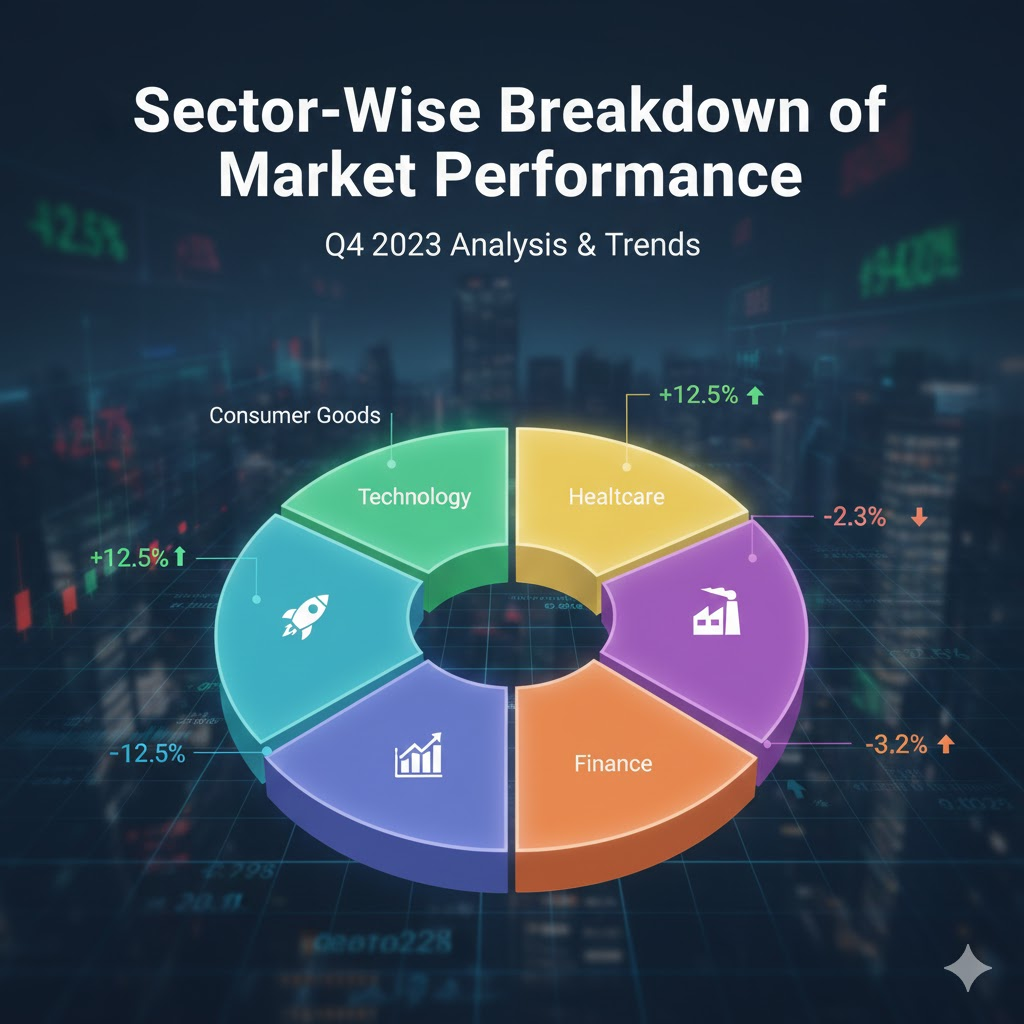
Understanding how different sectors perform can help investors make smarter decisions and balance their portfolios more effectively. Markets move in response to economic trends, consumer behavior, and global events. Let’s break down how key sectors are performing and what trends are shaping their outlook.
1. Technology Sector
Performance Snapshot: Strong growth, driven by innovation and digital transformation.
The technology sector continues to lead in market performance, propelled by advancements in artificial intelligence, cloud computing, and cybersecurity. Tech giants and emerging startups alike are benefiting from increased demand for digital solutions across industries.
Key Drivers:
- Rapid adoption of AI and machine learning tools.
- Expansion of cloud infrastructure and services.
- Growing need for cybersecurity solutions.
Investor Insight: Tech stocks tend to be growth-oriented and can be more volatile. Long-term investors often focus on companies with strong earnings growth and innovative product pipelines.
2. Healthcare and Pharmaceuticals
Performance Snapshot: Stable growth with strong defensive qualities.
Healthcare remains a resilient sector, often less sensitive to economic cycles. Pharmaceutical companies, medical device makers, and healthcare services have shown steady performance, buoyed by ongoing demand for healthcare products and services.
Key Drivers:
- Aging global population.
- Continued innovation in biotech and treatments.
- Increased healthcare spending.
Investor Insight: Healthcare is considered defensive. It performs relatively well even when broader markets slow, making it attractive for risk-conscious investors.
3. Financial Sector
Performance Snapshot: Mixed results with sensitivity to interest rate changes.
Banks, insurance companies, and asset managers make up this sector. Its performance is closely tied to interest rates and economic growth. Rising rates can boost net interest margins for banks, but can also dampen borrowing and loan growth.
Key Drivers:
- Interest rate movements.
- Economic growth indicators.
- Regulatory developments.
Investor Insight: Watch interest rate trends and credit quality indicators. Financials benefit from a stable economic environment and predictable rate cycles.
4. Consumer Discretionary
Performance Snapshot: Reflects consumer confidence and spending power.
This sector includes companies selling non-essential goods and services—like retail, leisure, and automotive brands. When consumer confidence is strong, this sector tends to outperform. During slowdowns, it may lag behind more defensive sectors.
Key Drivers:
- Consumer confidence and spending trends.
- Employment rates.
- Disposable income levels.
Investor Insight: Consumer discretionary stocks can be cyclical. They often perform well in expansion phases of the economic cycle.
5. Consumer Staples
Performance Snapshot: Stable and defensive with consistent demand.
Consumer staples include everyday essentials like food, beverages, and household products. These companies tend to maintain steady performance even in economic downturns, as demand for basic goods remains consistent.
Key Drivers:
- Steady consumer demand.
- Inflation and commodity cost trends.
- Brand strength and pricing power.
Investor Insight: Great for defensive positioning. Staples can help balance a portfolio during market volatility.
6. Energy Sector
Performance Snapshot: Volatile but potentially high returns tied to commodity prices.
Energy companies—from oil producers to renewable firms—respond strongly to changes in oil and gas prices. Recent shifts toward renewable energy sources have added complexity and growth opportunities within the sector.
Key Drivers:
- Crude oil and natural gas prices.
- Geopolitical tensions.
- Energy policy and renewable investments.
Investor Insight: Energy can be cyclical and sensitive to global events. Diversification across traditional and renewable energy names can help manage risk.
7. Industrials
Performance Snapshot: Moderating growth with sensitivity to economic cycles.
Industrials include manufacturing, transportation, and aerospace. This sector reflects broader economic activity and can be influenced by infrastructure spending and global trade dynamics.
Key Drivers:
- Infrastructure investment.
- Global trade and supply chain trends.
- Manufacturing demand.
Investor Insight: Industrial stocks often benefit from economic expansion and infrastructure initiatives but can lag during slowdowns.
8. Real Estate
Performance Snapshot: Mixed performance shaped by interest rates and property demand.
Real estate investment trusts (REITs) and property developers are influenced by interest rates, rental markets, and commercial property trends. Higher rates can increase borrowing costs but also offer higher yield opportunities.
Key Drivers:
- Interest rate trends.
- Commercial and residential demand.
- Inflation and rental growth.
Investor Insight: REITs can offer income through dividends, but careful selection is key in varying rate environments.
9. Utilities
Performance Snapshot: Defensive with stable yields.
Utilities provide essential services like electricity, water, and gas. They tend to be less volatile and offer reliable dividend income, making them attractive in uncertain markets.
Key Drivers:
- Interest rate movements.
- Regulatory policies.
- Energy costs.
Investor Insight: A solid choice for conservative investors seeking income and stability.
10. Materials Sector
Performance Snapshot: Sensitive to global growth and commodity cycles.
This sector includes companies producing raw materials like metals, chemicals, and construction inputs. Performance often links to industrial demand and global economic activity.
Key Drivers:
- Commodity price fluctuations.
- Construction and manufacturing trends.
- Trade policies.
Investor Insight: Materials can be cyclical and are often correlated with economic expansion.
Final Thoughts
Market performance varies widely across sectors. Growth-oriented sectors like technology and consumer discretionary can offer significant gains in strong markets, while defensive sectors like healthcare and staples provide stability during downturns. A balanced investment approach considers both performance potential and risk tolerance.
Want a visual chart comparing sector returns or a sector performance outlook for 2026? Just let me know!