
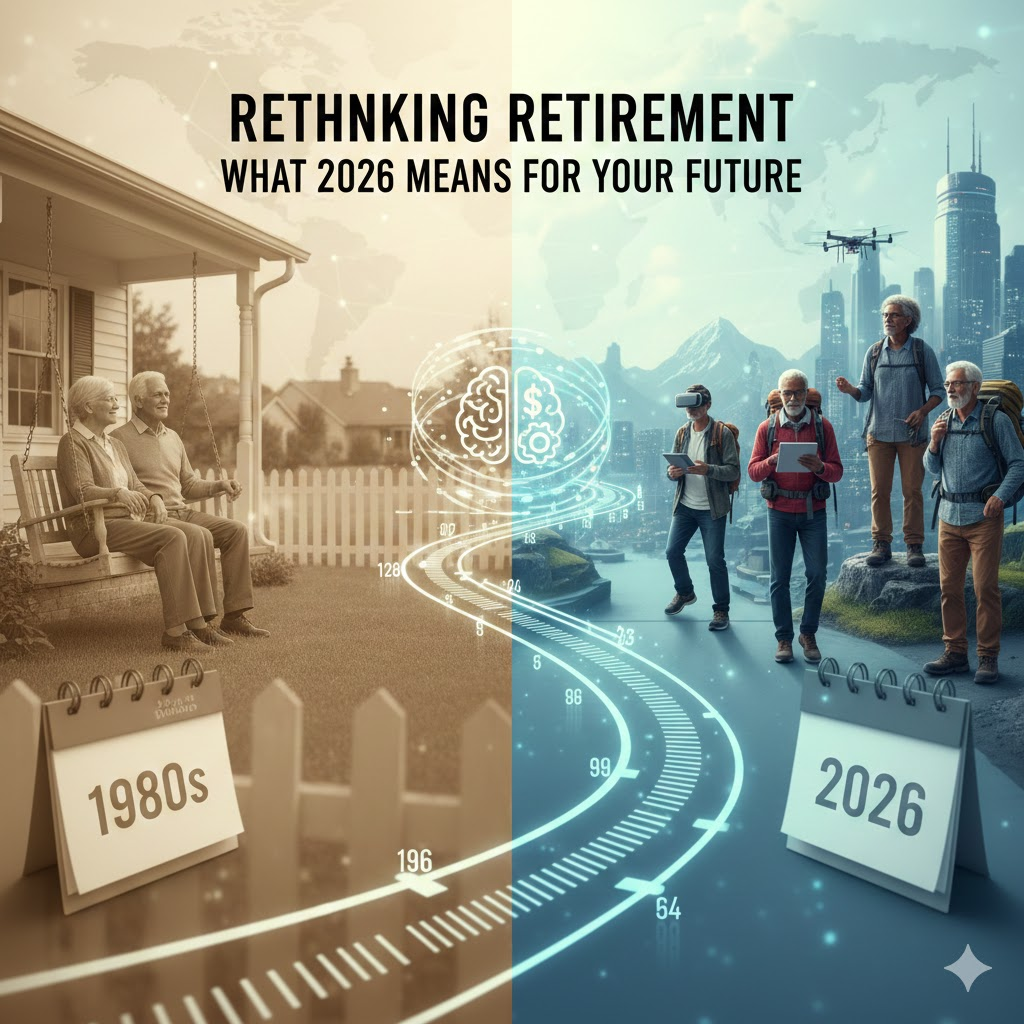
For decades, retirement followed a predictable pattern. You worked for one company or industry, saved steadily, and eventually stopped working at a fixed age. That model is rapidly changing. By 2026, economic shifts, longer life expectancy, and new ways of working are forcing people to rethink what retirement really means.
Retirement today is less about stopping work entirely and more about flexibility, financial independence, and choice.
Why Traditional Retirement Models Are Changing
Several factors are reshaping retirement planning.
People are living longer, which means retirement savings need to last much longer than before. At the same time, rising living costs and healthcare expenses are putting pressure on traditional pension systems.
Job stability has also changed. Fewer people stay with one employer for decades, and many rely on multiple income streams instead of a single pension.
These changes mean retirement planning now requires more active involvement and adaptability.
Retirement Is Becoming More Flexible
In 2026, retirement is no longer a single moment. It is a gradual transition.
Many people are choosing to:
- Work part time instead of full time
- Shift to consulting or freelance roles
- Start small businesses later in life
- Take career breaks instead of permanent retirement
This flexibility allows individuals to maintain income, stay mentally engaged, and reduce the pressure on savings.
The Role of Technology and Remote Work
Technology has expanded what retirement can look like.
Remote work allows people to earn income without commuting or relocating. Digital tools make it easier to manage investments, track expenses, and plan long term finances.
For many, this means retirement can include lighter work that fits personal interests rather than traditional employment.
Financial Planning Looks Different in 2026
Retirement planning now focuses on resilience rather than a fixed number.
Key considerations include:
- Diversifying income sources
- Planning for healthcare costs
- Managing inflation risk
- Building emergency funds alongside long term savings
Instead of relying on one retirement account, many people spread risk across investments, savings, and flexible work options.
The Importance of Financial Literacy
One of the biggest shifts is the need for personal financial knowledge.
Understanding how savings, investments, and taxes work is no longer optional. People who actively manage their finances are better prepared to adapt to market changes and unexpected events.
In 2026, retirement success depends as much on informed decision making as it does on how much you earn.
Redefining What Retirement Success Means
Retirement is increasingly defined by quality of life rather than age or net worth.
For some, success means:
- Freedom to choose how they spend their time
- Financial security without constant stress
- Good health and access to care
- Staying socially and mentally active
This broader definition allows more people to design a retirement that fits their values rather than a one size fits all model.
Frequently Asked Questions
Is retirement still achievable for younger generations
Yes, but it may look different. Retirement may involve flexible work, multiple income streams, and longer planning horizons rather than complete withdrawal from work.
At what age should I start planning for retirement
The earlier you start, the more options you have. Even small steps taken early can make a significant difference over time.
Do I need to stop working completely to retire
No. Many people in 2026 choose partial retirement, where they reduce hours or change roles instead of stopping work entirely.
How important is healthcare planning for retirement
Healthcare planning is critical. Medical costs can be one of the largest expenses in later life, making preparation essential for financial stability.
Can technology really help with retirement planning
Yes. Digital tools make budgeting, investing, and long term planning more accessible and easier to manage, even for non experts.
Final Thoughts
Rethinking retirement in 2026 means letting go of outdated assumptions. Retirement is no longer a fixed destination but a flexible phase of life that can evolve over time.
Those who adapt early, build financial knowledge, and stay open to new ways of working are better positioned for a secure and fulfilling future.
Retirement is not about stepping away from life. It is about gaining the freedom to design it on your own terms.