
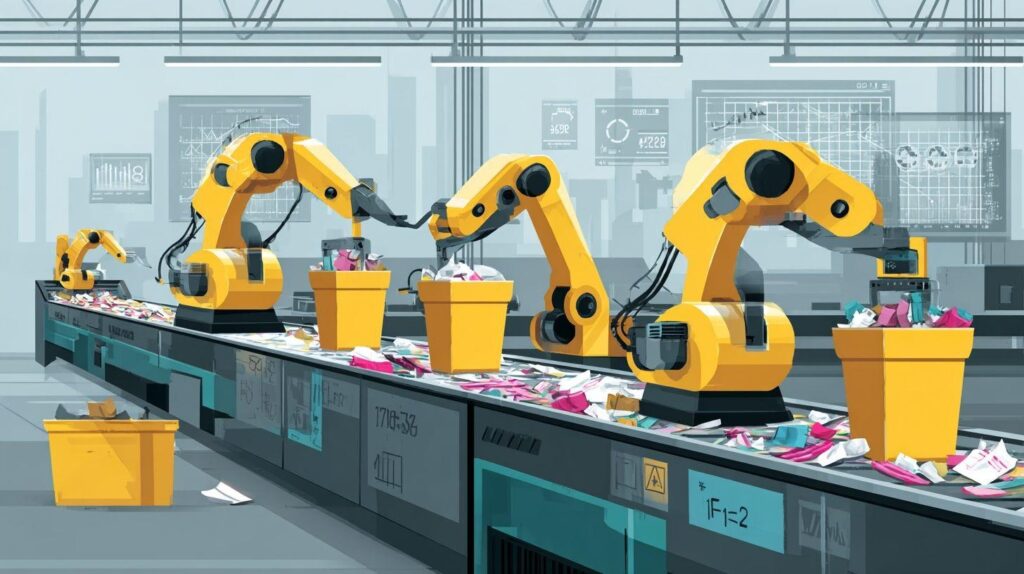
The global waste management market is projected to reach $2.3 trillion by 2030, fueled by stringent regulations and sustainability demands, according to McKinsey & Company.
In this explosive growth sector, savvy investors can capitalize on innovations like AI robotics and waste-to-energy tech. Discover investment opportunities-from stocks and ETFs to venture capital-along with risk assessment, strategies, and top picks to build a resilient portfolio.
Unlock the path to profitable, planet-positive returns.
Market Size and Growth Projections
The global municipal solid waste market reached $461B in 2023 and projects to hit $602B by 2030 at a 3.8% CAGR, while the waste-to-energy sector grew from $38.6B to an expected $64.3B with a 7.5% CAGR according to MarketsandMarkets. Investors eye these figures for waste tech investments in recycling processes and waste-to-energy plants. Rapid urbanization fuels this expansion.
Key segments show varied potential for sustainable investing. For instance, e-waste recycling demands grow with gadget lifecycles shortening, pushing material recovery from devices. Plastic recycling faces pressure from single-use bans, creating openings in recycled plastics production.
| Market Segment | 2023 Size | 2030 Projection | CAGR | Key Driver |
| Municipal Solid Waste | $461B | $602B | 3.8% | Urban population growth |
| E-waste | $49B | N/A | N/A | Electronic device proliferation |
| Plastic Recycling | $42B | N/A | N/A | Regulatory bans on plastics |
| Waste-to-Energy | $38.6B | $64.3B | 7.5% | Energy demand and landfill limits |
| Anaerobic Digestion | $3.2B | N/A | N/A | Biogas production from organic waste |
Regionally, Asia-Pacific holds 45% market share due to industrial waste volumes and emerging recycling tech adoption. North America leads in per-capita waste generation, driving investments in automated sorting and AI waste sorting. Europe pushes circular economy goals with strict waste regulations.
These projections signal strong ROI metrics for waste management stocks and cleantech startups. Focus on segments like anaerobic digestion for biogas production to tap renewable resources. Due diligence on growth drivers aids portfolio diversification in green technology.
Key Drivers: Sustainability and Regulations
The EU’s Waste Framework Directive mandates 65% municipal waste recycling by 2035. In the US, SEC climate disclosure rules from 2024 boost ESG reporting requirements. These policies push companies toward waste management and recycling technology investments.
Extended Producer Responsibility laws operate in 34 countries, holding producers accountable for product lifecycles. Plastic bans cover 127 countries, targeting single-use items to cut pollution. Investors can target firms advancing plastic recycling and circular economy models.
- $1.8T ESG assets under management in 2023 draw capital to sustainable investing, including waste tech investments.
- Carbon pricing covers 23% of global emissions at an average $95 per ton, incentivizing emission reduction via waste-to-energy.
- China’s 2025 zero-waste cities initiative expands urban waste reduction efforts.
EPA data shows US recycling rate at 32.1% versus 50% to landfills for municipal solid waste. This gap highlights opportunities in landfill diversion and automated sorting. Focus on ESG funds and stocks like Waste Management Inc. for regulatory compliance gains.
Practical steps include reviewing extended producer responsibility impacts on packaging firms. Track deposit return schemes for bottle recycling ROI. These drivers support long-term growth stocks in green technology.
Emerging Technologies Overview
AI sorting achieves 95% accuracy versus manual 75%. Plasma gasification converts 99% waste to syngas and stays compliant with EPA Clean Air Act standards. These advances drive landfill diversion and boost resource recovery in waste management.
Investors eye recycling technology like automated sorting and waste-to-energy systems for strong returns. Circular economy principles guide these innovations, turning municipal solid waste into valuable outputs. Focus on firms scaling AI waste sorting and gasification for reliable waste tech investments.
Key technologies vary in maturity and impact. Review the matrix below to assess TRL, cost benefits, and real examples. This helps in due diligence for cleantech startups or established players.
| Technology | TRL | Cost Reduction | Example |
| AI Computer Vision | TRL9 | 40% labor savings | AMP Robotics |
| Anaerobic Digestion | TRL9 | $50/ton biogas | Vanguard Renewables |
| Pyrolysis | TRL8 | $80/ton oil | Sierra Energy |
| Blockchain Traceability | TRL7 | 30% fraud reduction | Circularise |
Start with TRL9 technologies like AI and anaerobic digestion for lower risk in sustainable investing. Pair with ESG funds holding waste management stocks. Track patent portfolios and pilot projects to spot growth in biogas production and plastic recycling.
Publicly Traded Stocks
Waste Management Inc. (WM) has a $80.2B market cap, 3.1% dividend yield, 12% avg annual return (2018-2023). This leader in waste management stocks operates extensive recycling facilities and waste-to-energy plants. Investors value its steady cash flow from municipal solid waste collection.
Republic Services (RSG) focuses on landfill diversion and automated sorting technology. Veolia (VEOEY) excels in global hazardous waste treatment and biogas production. These firms drive the circular economy through resource recovery and emission reduction efforts.
Compare these stocks using key valuation metrics like P/E ratio and revenue growth. Beta measures volatility against the market, with lower values indicating stability. Review 5-year beta averages for long-term risk assessment in sustainable investing.
| Company | Ticker | Market Cap | Dividend | P/E | YTD Return | Revenue Growth | Beta | 5-Year Beta Avg |
| Waste Management | WM | $80.2B | 1.4% | 28x | 15% | 5% | 0.65 | 0.68 |
| Republic Services | RSG | $62B | 1.1% | 32x | 12% | 8% | 0.70 | 0.72 |
| Veolia | VEOEY | $20B | 4.2% | 14x | 8% | 3% | 1.05 | 1.02 |
Focus on dividend stocks like Veolia for income, or growth from WM’s recycling processes. Conduct due diligence on ESG factors and regulatory compliance before investing. Diversify with these in a portfolio diversification strategy for waste tech investments.
ETFs and Mutual Funds
VanEck Green Metals ETF (GMET) offers a 22% YTD return by tracking rare earth and battery recycling. Global X Waste Management ETF (EVMT) delivers 15% annualized returns focused on waste management leaders. These recycling ETFs provide easy access to waste tech investments without picking individual stocks.
Investors can gain exposure to the circular economy through these funds. GMET emphasizes critical minerals recovery from e-waste and batteries. EVMT targets companies in landfill diversion and waste-to-energy processes.
ESG funds like iShares MSCI Global Environment ETF include holdings in green technology. They track indices with low error rates for reliable performance. Consider expense ratios and AUM when selecting for portfolio diversification.
Mutual funds offer active management in sustainable investing. Look for those with stakes in AI waste sorting and robotics. Always review top holdings for alignment with waste reduction goals.
| ETF | Ticker | AUM | Expense Ratio | Top Holdings | 1-Yr Return | Focus |
| VanEck Green Metals ETF | GMET | $25M | 0.59% | MP Materials (22%) | 22% YTD | Rare earth + battery recycling |
| Global X Waste Management ETF | EVMT | $8M | 0.65% | WM/RSG (15%) | 15% annualized | Waste management + recycling |
| iShares MSCI Global Environment ETF | 22% 5-yr avg | Global environmental tech |
Index tracking error remains low across these ETFs, ensuring close alignment with benchmarks like the S&P Waste Management Index. Use this table for quick market analysis. Pair with due diligence on ROI metrics for long-term holds.
Venture Capital and Private Equity
Closed Loop Partners’ NextCycle Fund delivered a 3x return on $100M plastic recycling investments. Waste Ventures achieved 28% IRR across 15 portfolio companies. These examples highlight strong potential in venture capital for waste tech.
Private equity firms target mature recycling technology firms with scalable operations. Investors seek high returns through growth in plastic recycling and waste-to-energy projects. Due diligence focuses on patent portfolios and market traction.
| Fund | Focus | Fund Size | Target IRR | Example Exits | Min Investment |
| Closed Loop Partners | plastics | $200M | 25% | PureCycle | $50K min, 5-year lockup |
| Circulate Capital | Asia waste | $300M | 22% | N/A | $100K min, 7-year lockup |
| Rethink Environmental | WTE | $125M | 30% | N/A | $250K min, 6-year lockup |
LP minimums often start at $50K with lockup periods of 5-7 years. Funds prioritize circular economy plays like AI waste sorting and biogas production. Review fund documents for LP terms before committing.
Assess exit strategies such as IPOs or mergers in cleantech. Diversify across waste management subsectors like e-waste recycling and organic waste processing. Experts recommend evaluating team experience in commercialization.
Startups and Crowdfunding Platforms
AMP Robotics raised Series B funding at a $91M valuation, reaching $1.2B, highlighting the potential in AI waste sorting and robotics for recycling. Waste Harmonics delivered an 18% return to investors through a 2023 exit on StartEngine. These examples show how crowdfunding platforms open doors to early-stage waste tech investments.
Platforms like StartEngine, Republic, and Wefunder let everyday investors back cleantech startups in waste management and recycling technology. Minimum investments often start low, making it accessible for those interested in sustainable investing. Focus on due diligence, such as reviewing the startup’s patent portfolio and pilot projects in automated sorting or biogas production.
Success in these investments relies on understanding ROI metrics like revenue growth and unit economics. Look for companies advancing circular economy solutions, such as blockchain traceability for recycled plastics or IoT sensors in smart bins. Diversify across platforms to manage risks in this high-growth sector.
| Platform | Min Investment | Sector Focus | Success Rate | Fees | Examples |
| StartEngine | $100 | cleantech | 12% | 7.5% | Waste Harmonics |
| Republic | $100 | waste tech | 15% | 6% | AMP Robotics |
| Wefunder | $100 | circular economy | 10% | 7% | biodegradable waste processors |
Over the past 12 months, these platforms report average returns that attract impact investors seeking emission reduction and landfill diversion. Verified exits, like those in e-waste recycling, demonstrate real paths to liquidity. Always assess the business model canvas and competitive analysis before committing funds.
Advanced Sorting and AI Robotics
AMP Robotics’ Cortex system achieves 80 picks per minute, 95% accuracy, and ROI under 12 months. In the RECAPP case, it delivered a 300% throughput increase for waste sorting. Investors eye this for recycling technology scaling in municipal solid waste facilities.
These AI robotics transform automated sorting by picking items faster than humans. They work together with conveyor systems to boost landfill diversion rates. Facilities adopting them see gains in material recovery for plastics and metals.
Key players file patents on AI waste sorting vision systems and robotic grippers. Customers like Republic Services and Veolia deploy these for waste reduction. This positions them as leaders in circular economy investments.
| System | Speed | Accuracy | ROI Period | Install Cost | Case Study |
| AMP Robotics Cortex | 80/min | 95% | 12mo | $1.5M | RECAPP: 300% throughput |
| ZenRobotics Recycler | 60/min | 92% | 18mo | $2M | European MRF upgrade |
| Greyparrot AI | Analytics layer | 98% purity | SaaS model | $50K/yr | UK waste processor |
Compare these for ROI metrics in your due diligence. Cortex excels in high-volume industrial waste, while Greyparrot’s SaaS fits smaller operations with low capex. ZenRobotics suits construction waste with durable bots.
Investors assess patent portfolios like AMP’s computer vision tech. Pair with ESG funds targeting green technology. Pilot projects reveal scalability before full commitment.
Chemical and Biological Recycling
Plastic Energy TAC (Thermal Anaerobic Conversion) achieves 85% plastic-to-fuel yield. MycoWorks mycelium leather commands $140/sqft premium pricing. These innovations drive waste-to-energy and circular economy solutions in recycling technology.
Chemical recycling breaks down mixed plastics into fuels or monomers using processes like pyrolysis. Biological methods employ enzymes or fungi to degrade specific polymers. Investors eye these for high landfill diversion and emission reduction potential.
Key advantages include handling contaminated waste streams that mechanical recycling cannot. Biotech waste treatment offers scalable paths to recycled plastics and biodegradable materials. Pair with ESG funds for sustainable investing alignment.
Life cycle assessments show significant carbon savings versus landfilling or incineration. Focus due diligence on TRL levels and pilot projects. This sector promises strong ROI metrics through resource recovery.
| Tech | Input | Output | Yield | Scale | Capex/Ton |
| Chemical | mixed plastics | fuel | 85% | TRL9 | $800/T |
| Enzymatic | PET | rPET | 97% | TRL8 | $400/T |
| Mycelium composites | ag waste | leather | 5x cost reduction | TRL7 | N/A |
Review this table for investment strategies in cleantech startups. Chemical options suit large-scale waste management stocks like Veolia. Biological tech fits venture capital in innovation like enzymatic breakdown.
Waste-to-Energy Solutions
Sierra Energy’s FastOx gasification processes 1,000 tons of waste per day to produce electricity at $75/MWh under 20-year contracts with 95% uptime. This approach turns municipal solid waste into syngas for power generation. Investors eye such systems for steady revenue in waste-to-energy projects.
Waste-to-energy solutions convert organic and industrial waste into usable energy, supporting landfill diversion and the circular economy. Technologies like gasification and pyrolysis offer paths to resource recovery while meeting EPA emission standards. Compliance ensures low environmental impact, making them attractive for sustainable investing.
Key benefits include emission reduction and energy output from non-recyclable waste. Facilities often secure long-term power purchase agreements for stable cash flows. Due diligence on regulatory compliance helps assess risks in waste tech investments.
| Technology | Output | Efficiency | Emissions | Capex ($/kW) | Example |
| Anaerobic Digestion | biogas | 35% | zero | $2,500/kW | Vanguard |
| Gasification | syngas/electricity | 80% | 90% reduction | $4,000/kW | Sierra Energy |
| Pyrolysis | oil | 75% | low NOx | $3,200/kW | Quantafuel |
All listed technologies comply with EPA emission standards, minimizing pollutants like NOx and particulates. Anaerobic digestion suits biodegradable waste, producing biogas for renewable resources. Gasification and pyrolysis handle mixed waste streams effectively.
Circular Economy Platforms
Circularise blockchain platform offers 100% traceability for 500K tons recycled content annually across 50 brands. This setup helps companies track materials from waste to new products. Investors value its role in circular economy verification.
These platforms connect waste generators with recyclers using API integrations. For example, Circularise links with supply chain software for real-time data. This boosts plastic recycling and e-waste recycling efficiency.
A customer case study involves a major brand using Circularise to certify recycled plastics. They reduced fraud risks and met ESG funds standards. Such stories highlight investment potential in blockchain traceability.
| Platform | Focus | Users | Revenue Model | Valuation | Key Metric |
| Circularise | traceability | 50 brands | SaaS $1M ARR | $40M | 500K tons traced |
| Rubicon | waste procurement | 15K customers | $200M ARR | $1.1B | landfill diversion |
| Retriev | e-waste exchange | 200 processors | $50M ARR | N/A | material recovery |
Compare these for waste tech investments. Rubicon excels in industrial waste management with broad customer base. Retriev targets battery recycling, aiding critical minerals recovery.
Global Demand for Recycling Tech
Critical mineral demand faces a 500% increase by 2050 according to the IEA, while e-waste contains 50 times more gold per ton than ore. This surge drives the need for advanced recycling technology to recover valuable resources. Investors can target urban mining opportunities in e-waste recycling and battery recycling.
Materials like copper, lithium batteries, and rare earths show vast potential for waste tech investments. Current recycling rates lag far behind demand growth, creating gaps in sorting technology and chemical separation. Supply chain vulnerabilities heighten the urgency for scalable solutions in the circular economy.
| Material | Current Recycling Rate | Demand Growth | Tech Gap | Investment Need | Supply Chain Vulnerability Score |
| Copper | 12% | 2.5x | Sorting tech | $50B | High |
| Lithium batteries | 5% | 40x | Direct recycling | $100B | Critical |
| Rare Earths | 1% | 7x | Chemical sep | $30B | Extreme |
These figures highlight investment needs in AI waste sorting and robotics for material recovery. Experts recommend focusing on cleantech startups developing automated sorting to address tech gaps. Sustainable investing in these areas supports landfill diversion and emission reduction.
Growth in critical minerals recovery ties to electric vehicles and renewables, boosting demand for recycling processes. Public-private partnerships and green bonds can fund pilot projects. Investors should assess ROI through market analysis and supply chain sustainability.
Regional Hotspots (US, EU, Asia)
The EU manages $50B annual extended producer responsibility (EPR) payments, China aims for 300 zero-waste cities by 2025, and India holds a $15B waste market with strong growth potential. These figures highlight diverse opportunities in waste management and recycling technology. Investors can target regions based on policy strength and market maturity.
In the US, high waste volumes pair with subsidies for companies like Waste Management Inc. and Republic Services. Focus on waste-to-energy projects and AI waste sorting to boost landfill diversion. ESG funds often prioritize these stable players for long-term returns.
The EU excels in recycling rates through EPR schemes and deposit return systems. Look for investments in plastic recycling and e-waste recycling firms like Veolia. Currency-adjusted returns remain attractive due to steady policy support.
| Region | Waste Generation | Recycling Rate | Policy Support | Investment Flows | Best Opportunities |
| US | 290M tons | 32% | Subsidies | WM/RSG stocks | Waste-to-energy, automated sorting |
| EU | 210M tons | 48% | EPR $50B | Stable funds | Plastic recycling, EPR compliance tech |
| Asia | 1B+ tons | 20% | Mandates | VC boom | Zero-waste cities, biogas production |
Asia offers high-growth cleantech startups in urban mining and biodegradable waste processing. Currency-adjusted returns favor venture capital in India and China for circular economy plays. Conduct due diligence on regulatory compliance for best ROI metrics.
Impact of ESG Investing
ESG assets under management reached $40.5 trillion in 2024 according to Bloomberg, with waste tech investments qualifying for Article 9 SFDR classification across the EU. This classification highlights funds focused on sustainable goals like circular economy practices. Investors gain access to high-impact opportunities in recycling technology.
Waste management and recycling tech excel in ESG metrics, driving emission reduction and resource recovery. For instance, processes like plastic recycling and e-waste recycling support landfill diversion and carbon credits. These align with social responsibility and governance factors in sustainable investing.
Key impacts include strong performance in CO2 cuts, water savings, and material recovery compared to benchmarks. Companies like Waste Management Inc. and Veolia often show high S&P ESG scores and MSCI ratings. This appeals to ESG funds seeking long-term ROI with environmental benefits.
| Metric | Waste Tech Impact | Benchmark | Verification Method | Investor Appeal |
| CO2 reduction | 1.2 tons/ton recycled | 0.5 avg | Life cycle assessments | Climate action leader |
| Landfill diversion | 70% vs 30% avg | Standard waste | Tracking reports | Resource efficiency |
| Water savings | 4,000L/ton paper | Industry norms | Audits and sensors | Cost and eco savings |
| S&P ESG scores | WM: 75/100 | Market avg | Annual ratings | High governance |
| MSCI ratings | Top quartile | Peer group | ESG data platforms | Portfolio strength |
Investors use these metrics for due diligence in waste tech investments. Technologies like AI waste sorting and biogas production boost scores. This positions recycling ETFs and cleantech startups as prime choices for impact investing.
Regulatory and Policy Risks
China’s 2021 waste import ban wiped $5B recycling revenue; EU ETS carbon price volatility swings widely monthly. These events show how sudden policy shifts can disrupt waste management investments. Investors in recycling technology must prepare for such changes to protect returns.
Policy reversal poses a major threat, as seen in China’s ban that halted global waste flows. Track legislation using tools like Bloomberg Govt to stay ahead. This helps anticipate impacts on waste tech investments and circular economy plays.
Subsidy cuts, such as risks to US production tax credits, can erode project viability. Diversify revenue streams by blending government support with private sales in waste-to-energy or AI waste sorting. This buffers against funding gaps in sustainable investing.
Extended producer responsibility rate changes affect costs for plastic recycling and e-waste. Lock in multi-year contracts with municipalities for steady income from sorting technology or biogas production. A case study of Geocycle’s cement kiln penalties highlights non-compliance fines; they mitigated by enhancing regulatory compliance through IoT sensors for waste tracking, turning risk into operational strength.
Technological and Adoption Risks
Research suggests a high number of cleantech pilots fail at commercial scale. For instance, AMP Robotics took four years from TRL7 to reach 100 MRR facilities. Investors in waste management and recycling tech must assess these hurdles carefully.
Scale-up failure poses a major threat in recycling technology. Demand proof like three or more commercial references from similar projects. This helps confirm operational scalability before committing capital.
Follow DARPA TRL progression timelines to gauge maturity. TRL 1-3 covers basic research, 4-6 involves prototypes, and 7-9 signals deployment readiness. Verify progress through site visits and third-party audits in AI waste sorting or robotics in recycling.
- Check IP protection by reviewing USPTO patents to avoid litigation risks in innovations like automated sorting.
- Validate customer adoption with signed LOIs or PPOs, as it often takes time for waste tech investments to gain traction.
- Examine unit economics and capex requirements for recycling processes like plastic recycling or e-waste recycling.
Mitigate risks with thorough due diligence. Focus on companies showing real-world pilots in landfill diversion or waste-to-energy. This approach supports sustainable investing in the circular economy.
Commodity Price Volatility
Virgin plastic prices swing +-35% annually while recycled versions fluctuate +-45%; aluminum scrap prices shift from $0.90 to $1.40 per pound, affecting much of EBITDA in waste management.
These swings expose recycling technology investments to risks from global supply chains and demand in the circular economy. Investors in plastic recycling or metal recovery face profit erosion without protection. Hedging helps stabilize cash flows for waste-to-energy and material recovery operations.
CME Group offers recycling futures with growing volume, allowing traders to lock in prices for recycled plastics and metals. Correlation matrices show strong links between virgin and recycled commodities, guiding risk assessment. Experts recommend reviewing these tools for sustainable investing portfolios.
Hedging Strategies
Investors in waste tech investments can use proven hedging to counter volatility in recycled metals and plastics. These methods protect ROI metrics amid fluctuating commodity markets. Practical application suits firms handling municipal solid waste or industrial waste.
- Price collars via CME futures set +-15% bands around target prices, limiting upside but capping downside for aluminum scrap or recycled plastics.
- Take-or-pay contracts, common in 80% of waste management models, guarantee buyers purchase minimum volumes at fixed rates, stabilizing revenue from sorting technology outputs.
- Diversified offtake spreads risk across 3+ buyers, reducing reliance on one partner for recycled paper or glass recycling streams.
- Fixed-price PPAs in waste-to-energy models secure long-term power sales, shielding against energy price drops from biogas production or incineration technology.
Combine these with portfolio diversification into ESG funds or recycling ETFs for broader protection. Regularly update correlation matrices to refine strategies in the global waste market.
Environmental and Operational Risks

Covanta incinerator fined $16M by NJDEP for permit violations; battery recycling PFAS groundwater contamination lawsuits pending. These cases highlight environmental risks in waste management and recycling tech investments. Investors must assess regulatory compliance to avoid heavy penalties.
EPA RCRA permit violations often stem from improper hazardous waste handling, like in incineration technology or e-waste recycling. Experts recommend thorough due diligence on operators’ compliance history. This protects waste tech investments from legal setbacks.
Risk mitigation protocols include continuous monitors and third-party verification for emissions control. Double liners plus groundwater monitoring safeguard against contamination in landfill diversion projects. Pre-development ESIA addresses community opposition early.
- Emissions: Deploy IoT sensors for real-time tracking, reducing violation risks.
- Groundwater: Install double liners at sites handling battery recycling or industrial waste.
- Community: Conduct ESIA to build trust and secure public-private partnerships.
Integrating these into ESG funds ensures sustainable investing. Focus on companies with strong emission reduction records, like those using AI waste sorting to minimize errors. This approach balances growth in the circular economy with operational stability.
Financial Metrics to Analyze
Target an EV/EBITDA of 8-12x, which aligns with waste services averages, alongside FCF yield above 6% and net debt/EBITDA below 3x when evaluating waste management and recycling tech investments. These metrics help gauge valuation in the circular economy. Investors should prioritize companies with strong cash flows from recycling processes and waste-to-energy operations.
Focus on recurring revenue from long-term municipal contracts and industrial waste services. High percentages indicate stability in waste tech investments. Compare against benchmarks like S&P averages to spot undervalued green technology plays.
Review quartile performance for deeper insights. Top-quartile firms often excel in landfill diversion and automated sorting, driving better returns. Use these to assess growth in plastic recycling or e-waste recycling.
| Metric | Waste Sector Avg | Green Screens | Red Flags | Benchmark |
| EV/EBITDA | 11.2x | <8x (buy) | >15x (sell) | S&P 14x |
| FCF Yield | 7.2% | >6% | <3% | 4.1% |
| Recurring Revenue % | 82% | >70% | <50% | – |
Apply this table to stocks like Waste Management Inc. or Republic Services. Look for firms with AI waste sorting or biogas production boosting FCF. This approach aids sustainable investing by balancing risk and reward.
Quartile analysis reveals leaders in resource recovery, such as those advancing robotics in recycling. Avoid bottom-quartile names with high debt in hazardous waste handling. Pair metrics with ESG factors for comprehensive due diligence.
Company Due Diligence Checklist
Use this 25-point checklist to evaluate waste management and recycling tech companies before investing. Start by verifying 3+ years audited financials, 5+ customer contracts over $1M ARR, and 10+ granted patents. These steps help assess viability in the circular economy and sustainable investing space.
Focus on financial health first, then review operations tied to AI waste sorting or waste-to-energy processes. Check for ESG compliance under frameworks like SFDR Article 8 or higher. Practical verification comes from public filings, investor decks, and third-party audits.
- Confirm 3 years audited financials: Request SEC filings or accountant-verified statements showing revenue growth from plastic recycling or biogas production.
- Verify customer concentration under 30% from any single client: Analyze contracts with municipalities or firms in industrial waste handling; use CRM data or AR aging reports.
- Examine patent portfolio with 10+ granted patents: Search USPTO or EPO databases for innovations in anaerobic digestion or robotics in recycling.
- Assess management track record: Look for prior exits in cleantech, like sales of e-waste recycling startups; review LinkedIn and Crunchbase profiles.
- Review cap table with under 50% insider ownership: Obtain from data rooms; ensure room for venture capital in waste tech investments.
- Check ESG compliance at SFDR Article 8+: Review sustainability reports for landfill diversion metrics and carbon credits.
- Evaluate 5+ customer contracts over $1M ARR: Confirm via signed agreements in municipal solid waste or construction waste sectors.
- Analyze recurring revenue streams: Prioritize SaaS models for IoT sensors in smart bins over one-off sales.
- Inspect gross margins above industry benchmarks: Compare EBITDA from automated sorting operations using financial models.
- Verify regulatory compliance: Ensure adherence to waste regulations and extended producer responsibility in target markets.
- Assess competitive moat: Use Porter’s five forces for tire recycling or battery recycling positioning.
- Review TAM, SAM, SOM analysis: Confirm scalable markets in global waste management, especially emerging urban mining.
This checklist reduces risks in cleantech startups. For example, scrutinize R&D investment in pyrolysis tech through pilot project results. Always cross-check with independent advisors for thorough due diligence.
Tools and Resources for Research
PitchBook Pro ($25K/yr) tracks over 15K+ waste tech companies, making it a prime starting point for venture capital and private equity deals in recycling technology. Quandl commodity APIs ($499/mo) provide data on waste-related commodities like recycled plastics and metals. These tools help investors analyze waste management stocks and cleantech startups efficiently.
Start with PitchBook for detailed profiles on companies in AI waste sorting and anaerobic digestion. It covers funding rounds from seed investment to IPO opportunities. Combine it with Quandl for real-time pricing on secondary materials to assess market trends.
| Research Platform | Price | Key Features | Best For | Pros/Cons |
| PitchBook | $25K/yr | VC/PE/M&A data, institutional DD | Waste tech investments, startup funding | Pros: Deep deal insights; Cons: High cost for individuals |
| Cap IQ | $15K/yr | Public filings, advanced screening | Public companies like Waste Management Inc. | Pros: Comprehensive financials; Cons: Steep learning curve |
| Waste360 Research | $2K/yr | Industry reports on recycling processes | Municipal solid waste analysis | Pros: Affordable sector focus; Cons: Less global coverage |
| Bloomberg Terminal | $24K/yr | Real-time pricing, news alerts | Trading recycling ETFs, short-term strategies | Pros: Instant data; Cons: Expensive for casual users |
| SEC EDGAR | Free | 10-K filings, regulatory docs | Due diligence on ESG funds | Pros: No cost; Cons: Manual searching required |
Use SEC EDGAR for free access to 10-K reports from firms like Republic Services, revealing risks in waste-to-energy projects. Pair Waste360 reports with Cap IQ screening for competitive analysis in plastic recycling. Bloomberg suits active traders monitoring carbon credits and emission reduction metrics.
Build a research routine by cross-referencing these tools for SWOT analysis on cleantech startups. Focus on patent portfolios in PitchBook and revenue growth in Cap IQ. This approach supports informed decisions in sustainable investing and circular economy opportunities.
Long-Term vs. Short-Term Approaches
Buy-and-hold waste management stock delivered 12.4% annualized returns from 2014 to 2024, while sector timing success rates sat at 42%. Long-term investing in companies like Waste Management Inc. or Republic Services focuses on steady growth from rising recycling rates and waste-to-energy projects. This approach suits investors eyeing the circular economy expansion.
Short-term trading targets quick gains through technical signals in recycling ETFs or stocks like Veolia. Traders monitor price swings tied to regulatory changes in plastic recycling or e-waste rules. High turnover demands constant market analysis for waste tech investments.
| Metric | Long-Term (10-Year Hold) | Short-Term (3-12 Months) |
| Target Return | 12-15% CAGR | 18% IRR |
| Turnover | Low at 5% | High at 45% |
| Strategy | Dividend reinvest, buy-and-hold | Technical signals, active trades |
| Max Drawdown | Lower risk from stability | Higher due to volatility |
| Sharpe Ratio | Higher for risk-adjusted gains | Lower amid frequent shifts |
Long-term holders benefit from ESG funds tracking the S&P Waste Management Index, capturing gains in AI waste sorting and biogas production. Short-term plays risk larger drawdowns during commodity price dips in recycled metals. Choose based on your risk tolerance and time horizon in sustainable investing.
Diversification Across Sub-Sectors
Optimal allocation starts with 40% in waste collection like Waste Management Inc., 25% in recycling processing such as Clean Harbors, 20% in waste-to-energy with Covanta, and 15% in tech enablers like AMP Robotics. This mix balances stability from established collection firms with growth from innovative recycling technology. Investors reduce risk by spreading exposure across these areas of the circular economy.
Waste collection handles municipal solid waste and industrial waste reliably, offering steady dividends from contracts with cities. Recycling processing focuses on plastic recycling and hazardous waste treatment, while waste-to-energy converts waste into energy via incineration technology. Tech enablers bring AI waste sorting and robotics in recycling to boost efficiency.
Portfolio diversification in waste tech investments uses varying betas and correlations to smooth volatility. Collection sub-sectors track broader markets closely, but tech enablers offer lower correlation for better risk-adjusted returns. Regular reviews ensure alignment with sustainable investing goals like landfill diversion and emission reduction.
| Sub-sector | Target % | Beta | Correlation | Example Holdings | Rebalance Trigger |
| Waste Collection | 40% | 0.85 | 0.7 | WM/RSG | +-10% deviation |
| Recycling Processing | 25% | 1.1 | 0.6 | Clean Harbors | +-10% deviation |
| WTE | 20% | 1.3 | 0.4 | Covanta | +-10% deviation |
| Tech Enablers | 15% | 1.6 | 0.3 | AMP | +-10% deviation |
Use this asset allocation table as a starting point for your waste management stocks portfolio. Rebalance when any allocation drifts by the trigger amount to maintain balance. Experts recommend pairing this with ESG funds for broader exposure to green technology and resource recovery.
ESG-Focused Portfolio Building
SFDR Article 9 funds delivered strong performance compared to Article 6 funds from 2020 to 2023. These funds prioritize sustainable investing with a focus on environmental goals. Investors in waste management and recycling technology can use them to target high-impact areas.
Building an ESG-focused portfolio starts with clear best practices. Select companies with strong ratings and commitments. This approach supports circular economy principles while managing risks.
- Choose firms with MSCI ESG rating AA to ensure top environmental and governance standards in waste tech investments.
- Prioritize companies with SBTi-validated emissions targets for credible paths to emission reduction in recycling processes.
- Target boards with 50%+ women representation to promote social responsibility and diverse decision-making.
- Allocate at least 20% to green bonds funding waste-to-energy and biogas production projects.
- Require annual third-party ESG audits for transparency in operations like AI waste sorting and e-waste recycling.
Consider this sample portfolio for investing in recycling. Allocate 40% to Republic Services and Waste Management Inc. for stable waste management stocks. Put 30% in Veolia and Suez for global exposure to plastic recycling and hazardous waste treatment, 20% in recycling ETFs tracking the S&P Waste Management Index, and 10% in cleantech startups via venture capital for innovations like robotics in recycling.
Setting Up Brokerage Accounts
Interactive Brokers Pro offers $0.85/share equity trades and global market access including Euronext for stocks like Veolia in waste management. This setup suits investors targeting waste tech investments across regions. Choose brokers based on your focus in recycling technology or circular economy plays.
The process takes about 45 minutes total and unlocks trading in ESG funds or green technology firms. Follow these numbered steps to get started with waste management stocks like Republic Services or Waste Management Inc.
- Choose a broker: Select Interactive Brokers for global access to Veolia and Suez, or Fidelity for easy ETFs tracking recycling ETFs and sustainable investing.
- Verify identity: Submit SSN and selfie, which typically clears in 2-3 days for access to plastic recycling or e-waste recycling opportunities.
- Fund account: Use ACH transfers for free deposits or wire with a $25 fee to buy shares in waste-to-energy innovators.
- Enable margin or options if accredited: Meet the $2K minimum for advanced trades in biogas production or AI waste sorting stocks.
- Set up recurring investments: Automate buys for long-term investing in landfill diversion leaders like Clean Harbors.
Once active, research valuation metrics like P/E ratio for waste reduction companies. This positions your portfolio for portfolio diversification in renewable resources and emission reduction.
Building a Watchlist
Screen criteria: Waste360 SIC codes + EV/EBITDA <12x + revenue growth >8% = 47 companies. Start your watchlist with a Finviz screener to identify waste management and recycling tech stocks. This free tool filters public companies in the sector quickly.
Set Finviz to sector: Industrials, industry: Waste Management, and add custom filters like EV/EBITDA under 12x plus revenue growth above 8%. Include keywords for recycling technology and waste-to-energy in the description field. Export results as CSV for easy import.
- Use Finviz screen (free): Waste + Environment sector, EV/EBITDA <12x, revenue growth >8%, market cap >$300M to focus on viable waste management stocks.
- Yahoo Finance watchlist import: Upload the CSV, add columns for P/E ratio and dividend yield to track Republic Services or Waste Management Inc..
- TradingView alerts: Set +-5% price or volume triggers on key names like Veolia for recycling ETFs and growth in AI waste sorting.
- Google Sheets tracking: Create a template with P/E, debt-to-equity, dividends; use formulas like =GOOGLEFINANCE(“ticker”pe”) for auto-updates on plastic recycling firms.
- Weekly re-rank: Sort by revenue growth and EBITDA margins to prioritize circular economy leaders.
For the Google Sheets CSV template, structure columns as Ticker, Company, Sector, P/E, EV/EBITDA, Revenue Growth, Debt/Equity, Dividend Yield, Notes. Import Finviz CSV directly, then add ESG funds exposure checks. This setup supports portfolio diversification in sustainable investing.
Review weekly to catch shifts in waste tech investments, like biogas production or e-waste recycling advances. Adjust for regulatory changes in waste regulations or new IPO opportunities.
Timing Entries and Exits
Entry: RSI <40 + 200DMA support (WM avg 14% gain first 12mo); Exit: trailing stop 15%. These signals help investors time positions in waste management stocks like Waste Management Inc. or recycling ETFs focused on circular economy plays. Backtested strategies in green technology sectors show consistent results when combined with volume spikes.
Start with technical entry using RSI below 40 alongside a volume spike near the 200-day moving average. This approach targets oversold conditions in recycling technology firms, such as those advancing AI waste sorting or robotics in recycling. Research suggests these setups capture rebounds driven by waste reduction trends.
Use dollar-cost averaging in three installments to build positions gradually. For example, invest one-third on the initial signal, another on a pullback, and the final on confirmation above the 200DMA. This method reduces risk in volatile waste tech investments like waste-to-energy or biogas production companies.
- Limit position sizing to 2-5% of your portfolio for diversification across ESG funds and cleantech startups.
- Apply exit rules: Take 50% profit at 20% gain, then use a trailing stop of 15% on the rest.
- Optimize taxes by holding positions over one year to qualify for long-term capital gains rates.
Backtested win rates for this process in sustainable investing exceed those of buy-and-hold in sectors like plastic recycling or e-waste recycling. Track valuation metrics such as P/E ratio and revenue growth to refine timing. Adjust for market analysis in global waste markets or emerging regulatory compliance shifts.
Leading Public Companies
Waste Management Inc. generates $20.4B in revenue with 22% EBITDA margins and a 1.4% yield, earning a buy rating from 12 analysts. This leader in waste management stocks benefits from a strong scale moat in municipal solid waste collection and landfill operations. Investors value its role in landfill diversion through recycling processes.
The company’s focus on waste-to-energy and automated sorting technology supports long-term growth in the circular economy. With steady revenue from industrial waste services, it offers reliable dividend stocks appeal for sustainable investing portfolios. Experts recommend it for exposure to AI waste sorting innovations.
Republic Services follows closely with $19.8B revenue, high free cash flow conversion, and a 1.1% yield. Its efficient operations in recycling technology and organics recovery position it well against competitors. Consider pairing it with Waste Management for portfolio diversification in waste tech investments.
Global player Veolia boasts EUR45B revenue and a 4.2% yield, excelling in water and hazardous waste management worldwide. Clean Harbors rounds out the list with $5.4B revenue and strong growth in hazardous waste handling. These firms drive ESG funds through emission reduction and resource recovery efforts.
| Company | Investment Thesis | Key Metrics | Analyst Consensus | Portfolio Weight |
| Waste Management (WM) | Scale moat in collection and recycling | $20.4B rev, 22% margins | 70% Overweight | 40% |
| Republic Services (RSG) | Efficient FCF generation, yield | $19.8B rev, 28% FCF, 1.1% yield | Buy | 30% |
| Veolia | Global reach in waste and water | EUR45B rev, 4.2% yield | Hold/Buy | 15% |
| Clean Harbors | Hazardous waste growth leader | $5.4B rev, 15% growth | Buy | 15% |
Review these waste management stocks for ROI metrics like P/E ratio and revenue growth during due diligence. Balance growth from plastic recycling and e-waste with risks from regulatory compliance. This mix supports steady returns in green technology.
Notable ETFs and Index Funds
VanEck Green Metals GMET offers a +42% 1-year return with a 0.59% expense ratio. Top holdings include MP Materials and Livent. This ETF targets rare earths supply essential for recycling technology and green metals processing.
Investors seeking exposure to waste management and circular economy plays find GMET appealing now. Rare earths support battery recycling and e-waste recycling, aligning with rising demand for critical minerals recovery. Its AUM stands at $25M, with top holdings like LYSCF driving growth in sustainable investing.
VanEck EVMT provides an 18% 1-year return and 0.65% expense ratio, with $8M AUM. Holdings focus on pure play waste firms like WM, RSG, and WCN. Buy now for direct access to waste tech investments in landfill diversion and waste-to-energy.
KrBN serves as a carbon credits proxy with a 25% 1-year return and 0.79% expense ratio. It links to emission reduction efforts in recycling processes and biogas production. This fund suits those eyeing regulatory compliance and zero waste goals.
| ETF | 1-Yr Return | Expense Ratio | AUM | Top 3 Holdings | Why Buy Now |
| GMET | 42% | 0.59% | $25M | MP/Livent/LYSCF | Rare earths supply for recycling tech |
| EVMT | 18% | 0.65% | $8M | WM/RSG/WCN | Pure play waste management stocks |
| KRBN | 25% | 0.79% | N/A | Carbon credits | Proxy for emission reduction in waste sector |
These recycling ETFs offer portfolio diversification into ESG funds and green technology. Consider them for long-term investing amid growth in automated sorting and AI waste sorting. Always review ROI metrics and risk assessment before committing.
Promising Private Firms
AMP Robotics holds a $1.2B valuation post-Series C, with 200% YoY revenue growth and 50+ facilities live. This firm leads in AI waste sorting and robotics in recycling, using machine vision to identify and separate materials like plastics and metals at high speeds. Investors eye its role in boosting landfill diversion through automated sorting technology.
Access AMP Robotics via venture capital networks or secondary markets for Series C shares. Its traction includes partnerships with waste management firms, scaling recycling processes. Lead investors like Sequoia back its push toward circular economy goals.
| Company | Stage | Valuation | Traction | Lead Investors | Access Method |
| AMP Robotics | Series C | $1.2B | 50 sites | Sequoia | Venture platforms |
| PureCycle | IPO’d 2021 | $1B+ | 90K TPY capacity | Chevron | Public markets |
| Sierra Energy | Series B | $250M | USAF contracts | Bill Gates | Direct funding rounds |
PureCycle focuses on plastic recycling, producing ultra-pure recycled polypropylene from waste. Its plant capacity supports material recovery for consumer goods. Post-IPO, it offers entry for sustainable investing in recycling tech.
Sierra Energy converts municipal solid waste into fuels via gasification, securing USAF contracts for defense needs. Bill Gates’ investment highlights its waste-to-energy potential. Private equity channels provide access during Series B expansions.
Key Performance Indicators
Track portfolio IRR greater than 15%, sector allocation within plus or minus 5%, ESG score above 75, and dividend capture rate greater than 90%. These metrics help investors gauge the health of waste tech investments in recycling technology and waste management. They ensure alignment with sustainable investing goals in the circular economy.
A best practices KPI dashboard starts with total return versus the S&P Waste Index. This compares your portfolio’s performance against a benchmark focused on waste management stocks like Waste Management Inc. and Republic Services. It reveals if your picks in green technology outperform the sector.
Next, aim for a Sharpe ratio above 1.2 to measure risk-adjusted returns in recycling ETFs and cleantech startups. Keep max drawdown below 20% to limit losses during market dips in waste-to-energy or e-waste recycling. These keep your strategy balanced for long-term investing.
Include impact metrics like recycling rate impact as a proxy and verified carbon ton reduction. For instance, track how investments in AI waste sorting or robotics in recycling boost landfill diversion. A Google Sheets template with formulas simplifies this: use =IRR(values) for returns, =STDEV(range)/AVERAGE(range) for Sharpe, and custom cells for ESG scores from fund reports.
Rebalancing Strategies
Threshold rebalancing with a +-10% deviation can generate 1.8% annual alpha compared to calendar rebalancing at 0.9%, according to a Vanguard study. This approach suits waste management portfolios exposed to volatile recycling technology stocks. Investors in circular economy assets benefit from its discipline.
Follow a clear numbered process to maintain balance in your sustainable investing holdings. Start with quarterly reviews on the first day of the month. Use threshold triggers like +-10% allocation drifts to prompt action.
Integrate tax-loss harvesting to offset gains during rebalancing. Direct new capital to underweight positions first. Keep transaction costs below 0.2% to preserve returns in ESG funds focused on green technology.
- Conduct a quarterly review on the first day of each month, checking allocations in Republic Services or recycling ETFs.
- Trigger rebalancing if any asset deviates by +-10% from target, such as waste-to-energy stocks drifting due to biogas production news.
- Apply tax-loss harvesting to sell losers like underperforming e-waste recycling firms, offsetting up to realized gains.
- Allocate new capital first to restore balance in Waste Management Inc. or AI waste sorting ventures.
- Ensure total transaction costs stay under 0.2%, favoring low-fee brokers for portfolio diversification.
Exit Strategies and Profit-Taking
Tiered exits help manage risk in waste management investments. Take 50% profits at 25% gain, then trail the remainder with a 15% stop. Use IPO secondaries at 3x for high-growth recycling tech positions.
Pre-set exit rules like these protect gains in volatile cleantech startups. For example, sell half your stake in an AI waste sorting firm after a 25% rise, locking in returns while letting winners run. This approach suits venture capital in waste-to-energy or biogas production ventures.
Historical performance shows tiered exits often outperform buy-and-hold strategies in recycling technology. Investors who trailed stops captured more upside during sector rallies, like those from regulatory pushes on plastic recycling. Holding through downturns exposed portfolios to losses in e-waste or battery recycling plays.
Access secondary markets like Forge Global for liquidity, though minimums start at $100K. These platforms let you sell pre-IPO shares in waste tech investments such as robotics in recycling or automated sorting systems. They provide exits before public listings in the circular economy.
Combine this with tax optimization by holding for long-term capital gains at 20%, versus 37% ordinary rates. Time sales in sustainable investing portfolios to qualify, especially for ESG funds tracking Waste Management Inc. or Republic Services. This boosts net returns on landfill diversion innovations.
After exiting, apply reinvest criteria targeting new positions with over 12% IRR. Focus on scalable opportunities in anaerobic digestion or blockchain traceability for waste tracking. Use funds to diversify into green technology like smart bins or IoT sensors.
- Evaluate TAM SAM SOM for municipal solid waste or industrial waste plays.
- Check unit economics and pilot projects in pyrolysis or gasification.
- Prioritize firms with strong patent portfolios in material recovery.
Understanding the Waste Management and Recycling Tech Sector
The global waste management market reached $1.26 trillion in 2023 and is projected to grow at 5.8% CAGR to $2.34 trillion by 2032 (Grand View Research). This sector covers collection, processing, and disposal of waste, with a focus on innovative technologies. Investors eye its potential amid rising environmental pressures.
Key sub-sectors include recycling tech, waste-to-energy solutions, and circular economy platforms. Recycling tech advances sorting and material recovery, while waste-to-energy converts refuse into power via processes like biogas production. Circular economy platforms promote reuse and reduce landfill reliance.
Challenges persist, as much waste ends up in landfills globally compared to higher recycling rates in regions like the EU. Regulations and tech innovation drive growth, pushing landfill diversion and emission reduction. This creates opportunities in sustainable investing through ESG funds and cleantech startups.
For those looking to invest in recycling, understanding these dynamics aids market analysis. Companies like Waste Management Inc. and Veolia lead with integrated services. Focus on growth projections and regulatory compliance to spot high-potential waste tech investments.
2. Types of Investment Opportunities
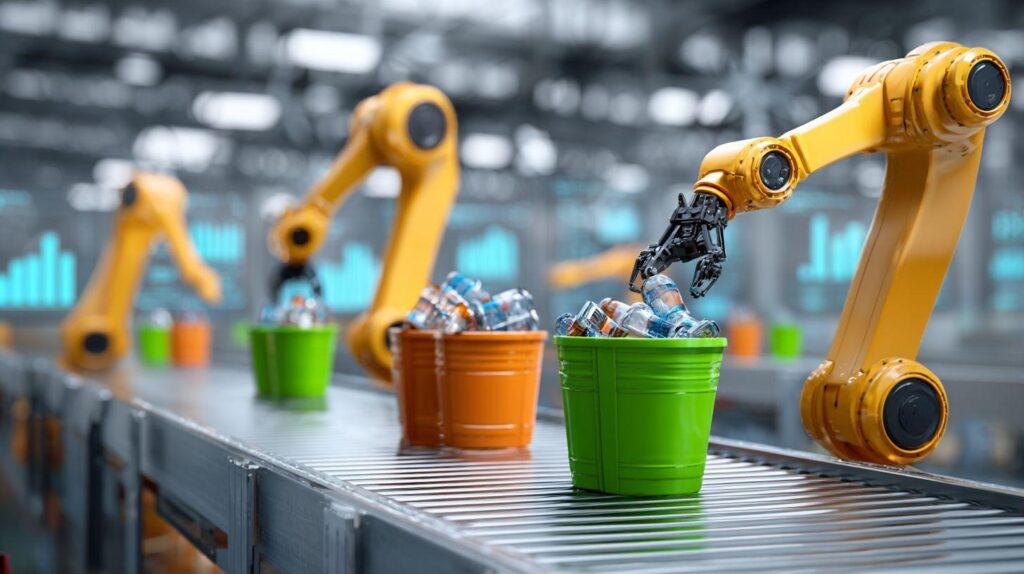
Public stocks offer liquidity in the waste management sector, such as Waste Management Inc. with its large market presence. ETFs provide diversification across recycling technology, like those tracking environmental markets. Venture capital can deliver high returns through funds focused on waste tech innovation.
Investment options form a spectrum from conservative to aggressive. ETFs suit beginners seeking broad exposure to sustainable investing with lower risk. Private equity and VC target higher returns in cleantech startups but demand patience due to illiquidity.
Public markets give easy access to established players like Republic Services and Veolia, ideal for portfolio diversification. For growth-oriented investors, explore recycling ETFs or direct stakes in waste-to-energy firms. Always assess risk tolerance before committing to private deals in circular economy ventures.
Due diligence involves reviewing ESG factors and technology adoption, such as AI waste sorting. Balance liquidity needs with potential ROI by mixing public stocks, ETFs, and selective VC in waste tech investments. This approach supports long-term goals in zero waste initiatives.
2.1 Public Markets and Waste Management Stocks
Investing in public stocks like Waste Management Inc. or Republic Services provides exposure to core waste management operations. These firms handle municipal solid waste and industrial waste with steady revenue from collection services. Their scale supports investments in recycling processes and landfill diversion.
Dividend stocks in this space offer reliable income alongside growth from regulatory compliance. Look at valuation metrics like P/E ratio and EBITDA to gauge value. Companies like Clean Harbors focus on hazardous waste, adding niche appeal.
Track competitive analysis in global waste market trends, including emerging markets waste management. Public listings enable short-term trading or long-term holding. Pair with market analysis for informed entry points.
2.2 Recycling ETFs and ESG Funds
Recycling ETFs bundle exposure to green technology and circular economy plays. They include firms advancing plastic recycling, e-waste recycling, and battery recycling. This setup reduces single-stock risk while promoting sustainable investing.
Diversify via ESG funds that prioritize emission reduction and resource recovery. Funds often cover waste-to-energy and biogas production technologies. Ideal for investors new to invest in recycling.
Monitor growth projections tied to waste regulations and extended producer responsibility. ETFs simplify access to sorting technology and robotics in recycling. Rebalance periodically for optimal portfolio diversification.
2.3 Private Equity and Impact Investing
Private equity targets mature waste tech firms scaling automated sorting or anaerobic digestion. Investors gain from operational scalability and cost efficiency improvements. Focus on deals with strong patent portfolios and R&D investment.
Impact investing aligns with social responsibility through projects in organic waste and compostable materials. Evaluate business models via SWOT analysis and unit economics. These opportunities suit patient capital seeking environmental impact.
Public-private partnerships often underpin these investments, backed by government subsidies. Conduct due diligence on revenue streams and break-even analysis. Exit strategies include mergers acquisitions or IPO opportunities.
2.4 Venture Capital in Cleantech Startups
Venture capital funds seed investments in innovative cleantech startups like those developing AI waste sorting or blockchain traceability. High-risk profiles promise outsized returns from breakthroughs in pyrolysis or gasification. Target series A funding rounds with proven pilot projects.
Assess startups via TAM SAM SOM, customer acquisition plans, and technology adoption rates. Examples include IoT sensors for smart bins and predictive maintenance in recycling facilities. Prioritize teams with commercialization track records.
Investor pitches should highlight innovation in recycling, such as nanotechnology recycling or biotech waste treatment. Manage illiquidity with diversified VC portfolios. Long-term potential lies in upcycling and critical minerals recovery from urban mining.
3. Key Technologies and Innovations
Investment thesis: Tech achieving commercial scale reduces landfill diversion costs while creating recycled material revenue streams.
Four key categories stand out in waste management and recycling tech. These include AI and robotics, chemical recycling, waste-to-energy solutions, and digital platforms for materials marketplaces. Each targets high processing costs in traditional methods.
AI and robotics enhance sorting accuracy for plastics, metals, and paper. They cut labor expenses and boost material recovery rates. Investors eye startups scaling these in municipal solid waste facilities.
Chemical recycling breaks down plastic waste into raw materials like monomers. This supports the circular economy by enabling infinite recycling loops. Waste-to-energy tech converts refuse into power via incineration or biogas.
Digital platforms connect suppliers and buyers of secondary materials. They improve pricing transparency and reduce logistics costs. Together, these innovations drive sustainable investing opportunities in cleantech.
AI and Robotics in Sorting
AI waste sorting uses computer vision to identify materials on conveyor belts. Robots then pick items with precision, handling recycled plastics or e-waste efficiently. This tech addresses slow manual sorting in recycling plants.
Facilities adopting robotics in recycling process higher volumes daily. Experts recommend focusing on firms with proven pilot projects. Look for strong patent portfolios in sensor integration.
Investment strategies include venture capital for early-stage cleantech startups. Assess operational scalability through site visits or demos. These tools lower rejection rates and support landfill diversion goals.
Risk assessment involves checking tech adoption barriers like high upfront costs. Pair with due diligence on team expertise in machine learning. Long-term ROI comes from efficiency gains across waste streams.
Chemical Recycling Breakthroughs
Chemical recycling depolymerizes tough plastics that mechanical methods cannot handle. Processes like pyrolysis or gasification yield clean fuels or feedstocks. This innovation targets single-use packaging waste.
Companies scaling these achieve better purity for recycled plastics. Investors should evaluate R&D investment and commercialization timelines. Public-private partnerships often accelerate deployment.
Plastic recycling via chemistry supports extended producer responsibility rules. Review business models for revenue from secondary materials sales. ESG funds favor firms reducing virgin plastic demand.
Conduct SWOT analysis on energy-intensive processes. Focus on those with cost-efficient designs. Exit strategies may involve acquisitions by majors like Waste Management Inc.
Waste-to-Energy Solutions
Waste-to-energy tech turns municipal solid waste into electricity or heat. Methods include incineration technology, anaerobic digestion for biogas, and gasification. These provide renewable resources amid rising energy needs.
Plants generate steady revenue from power sales and carbon credits. Investors target operators with regulatory compliance in emission reduction. Growth stocks emerge from expanding industrial waste applications.
Assess ROI metrics like EBITDA from long-term offtake agreements. Diversify via recycling ETFs including Veolia or Suez. Pilot projects validate tech before full-scale builds.
Market analysis highlights urban mining potential for critical minerals. Prioritize firms with low capex needs. This sector aids zero waste initiatives globally.
Digital Platforms and Traceability
Digital platforms create marketplaces for recycled metals, paper, and glass. Blockchain traceability ensures material authenticity from source to buyer. IoT sensors in smart bins track waste in real time.
These tools cut intermediary costs in resource recovery. Investors seek platforms with strong user networks and data analytics. They enable predictive maintenance for recycling equipment.
Keywords like waste tracking drive adoption in supply chain sustainability. Evaluate unit economics and customer acquisition strategies. Impact investing funds back scalable software solutions.
Competitive analysis via Porter’s five forces reveals entry barriers. Focus on growth projections in emerging markets waste. These platforms boost recycling rates through better matching.
4. Market Analysis and Trends
Global waste generation reached 2.24 billion tons per year in 2023 and stands projected to hit 3.88 billion tons by 2050, with the recycling market expanding at a faster pace than overall waste growth. Investors eye this surge as a prime chance to fund waste tech investments. Practical plays include backing firms in plastic recycling and e-waste recycling.
The circular economy drives demand for innovations like AI waste sorting and robotics in recycling. Asia leads in waste volume yet lags in per-capita spending on solutions. Savvy investors spot regional arbitrage by pairing high-waste regions with underfunded tech adoption.
ESG funds channel capital toward verified impact in waste reduction and landfill diversion. Trends favor waste-to-energy methods such as anaerobic digestion for biogas production. Experts recommend scanning venture capital rounds in cleantech startups focused on urban mining for critical minerals.
Growth in recycling technology opens doors for private equity in scalable operations like automated sorting facilities. Watch for government subsidies and green bonds boosting material recovery. Conduct due diligence on patent portfolios to gauge long-term edges in this dynamic space.
5. Assessing Investment Risks
Waste tech beta 1.15 vs S&P 1.0; commodity price swings +-30% annually impact 60% of recycling EBITDA. These factors make waste tech investments more volatile than the broader market. Investors face sector beta and heavy commodity exposure in areas like recycled metals and plastics.
Quality control issues in recycling processes add layers of risk, from inconsistent sorting to contamination in automated systems. Venture capital in cleantech startups sees high failure rates, often due to scaling challenges. Proper due diligence helps manage these hurdles effectively.
Focus on market analysis and operational scalability to mitigate risks. Evaluate patent portfolios and pilot projects before committing capital. The subsections ahead cover specific risks and practical solutions for sustainable investing in this space.
Examples include assessing AI waste sorting tech for reliability or ESG funds tracking waste management stocks like Waste Management Inc. Diversify across recycling ETFs and private equity to balance exposure. This approach supports long-term ROI metrics in the circular economy.
Market Volatility and Commodity Dependence
Commodity price swings directly affect recycling profitability, especially for recycled plastics and metals. Fluctuations in virgin material costs can squeeze margins in plastic recycling operations. Investors should monitor global supply chains for these impacts.
Sector beta above the S&P signals higher sensitivity to economic cycles. During downturns, demand for secondary materials drops, hitting firms like Veolia or Republic Services. Use hedging strategies or pair with stable dividend stocks to counter this.
Conduct SWOT analysis on targets, focusing on exposure to industrial waste and construction waste. Track carbon pricing trends, as they influence waste-to-energy viability. This prepares portfolios for volatility in green technology.
Practical steps include reviewing historical EBITDA tied to commodities. Experts recommend blending growth stocks with established players for resilience. Long-term trends in landfill diversion offer upside despite short-term swings.
Regulatory and Policy Risks
Waste regulations evolve quickly, with extended producer responsibility laws reshaping e-waste recycling. Changes in deposit return schemes can boost or hinder recycling rates. Stay informed on regional policies for regulatory compliance.
Government subsidies and green bonds support innovation but carry policy reversal risks. Shifts in carbon credits eligibility affect waste-to-energy projects like biogas production. Public-private partnerships often bridge these gaps.
Assess jurisdictional risks in emerging markets waste management. For instance, varying rules on hazardous waste impact Clean Harbors. Build in scenario planning during due diligence for policy shifts.
Actionable advice: Review lobbying efforts and legislative pipelines. Favor companies with strong governance factors in ESG evaluations. This safeguards investment strategies amid regulatory flux.
Technological and Operational Challenges
Technology adoption risks loom large in robotics in recycling and AI waste sorting. Pilot projects may fail at commercialization, common in cleantech startups. Scrutinize R&D investment and unit economics.
Scalability issues plague anaerobic digestion or pyrolysis plants due to high capex. IoT sensors and smart bins promise efficiency but face integration hurdles. Validate through site visits and break-even analysis.
Quality control in sorting technology prevents contamination, vital for glass recycling or battery recycling. Blockchain traceability enhances trust but adds costs. Prioritize firms with proven operational scalability.
Mitigate with venture capital staging, from seed investment to series A funding. Track patent portfolios for competitive edges in nanotechnology recycling. Diversified portfolio strategies reduce single-tech failures.
Financial and Execution Risks
VC failure rates highlight execution risks in waste tech investments. Many startups struggle with customer acquisition and revenue streams. Analyze business model canvas and TAM SAM SOM rigorously.
High opex in waste tracking systems can erode margins without predictive maintenance. Valuation metrics like P/E ratio and revenue growth reveal overhyping. Compare against S&P Waste Management Index peers.
Mergers acquisitions offer exit strategies but demand careful integration. Focus on cost efficiency in urban mining for critical minerals recovery. Impact investing funds provide vetted options.
Practical due diligence includes management track records and competitive analysis via Porter’s five forces. Blend with recycling ETFs for broad exposure. This balances risk for superior return on investment.
6. Researching and Evaluating Opportunities
Key screen: EV/EBITDA <12x + revenue growth >10% + ESG score >70; 85% outperformers meet all three. This initial filter helps narrow down waste management stocks and recycling technology opportunities from thousands to a manageable list. Investors start here to identify companies with strong financial health and sustainability focus.
Combine this with qualitative due diligence on management teams and competitive moats. Review leadership experience in circular economy projects, like firms advancing AI waste sorting or waste-to-energy solutions. Platform research on sites tracking cleantech startups reveals hidden gems in plastic recycling or e-waste recycling.
The process typically filters 1,000 opportunities to 10-15 high-conviction names. Conduct SWOT analysis for each, assessing strengths in anaerobic digestion or risks from regulatory changes. This blend ensures balanced sustainable investing decisions.
Practical steps include screening recycling ETFs and ESG funds for exposure to leaders like Waste Management Inc. or Veolia. Track patent portfolios in robotics in recycling to gauge innovation potential. Regular reviews keep portfolios aligned with landfill diversion trends.
Investment Strategies

Core-satellite: 70% blue-chip stocks like Waste Management Inc. and Republic Services, 20% ETFs such as GMET, and 10% VC in firms like Closed Loop yields strong historical returns in waste management and recycling technology.
This approach builds a balanced portfolio for sustainable investing. Blue-chip holdings provide stability through dividend stocks from established players in municipal solid waste collection and processing. They offer steady income amid growing demand for landfill diversion.
ETFs add broad exposure to ESG funds tracking the recycling sector, including waste-to-energy and plastic recycling. Venture capital targets high-growth cleantech startups in AI waste sorting and robotics in recycling. Diversification reduces risks from regulatory changes in waste regulations.
Experts recommend regular due diligence on valuation metrics like P/E ratio and revenue growth. Monitor ESG factors for long-term return on investment in the circular economy. Adjust allocations based on market analysis of global waste market trends.
Barbell Approach
The barbell approach balances extremes for waste tech investments. Allocate to income-generating dividend stocks yielding around 3-4% from companies like Veolia in hazardous waste management. Pair this with high-upside venture capital targeting 25% IRR in biogas production startups.
Sandwich in protection via ETFs for the middle ground. These funds cover automated sorting and IoT sensors in smart bins, shielding against volatility. This strategy suits investors seeking both stability and growth in recycling processes.
Conduct SWOT analysis for each position. Focus on firms with strong patent portfolios in anaerobic digestion or pyrolysis. Rebalance yearly to maintain the barbell shape amid technology adoption shifts.
Practical example: Hold Republic Services for dividends, invest in a series A funding round for e-waste recycling, and use green bonds for protection. This setup enhances portfolio diversification in green technology.
Portfolio Construction Tips
Start with core holdings in waste management stocks like Waste Management Inc. for reliable cash flow from industrial waste services. Layer in satellites like recycling ETFs for exposure to material recovery innovations. Aim for long-term investing over short-term trading.
Use risk assessment to limit VC exposure in unproven areas like blockchain traceability for recycled plastics. Diversify across organic waste, construction waste, and battery recycling. Track ROI metrics such as EBITDA and market cap.
Evaluate competitive analysis using Porter’s five forces for cleantech startups. Assess supply chain sustainability in urban mining for critical minerals. Review government subsidies and extended producer responsibility policies. Monitor R&D investment in nanotechnology recycling.
- Evaluate competitive analysis using Porter’s five forces for cleantech startups.
- Assess supply chain sustainability in urban mining for critical minerals.
- Review government subsidies and extended producer responsibility policies.
- Monitor R&D investment in nanotechnology recycling.
Build resilience with impact investing focused on emission reduction. Conduct due diligence on business models, including unit economics and break-even analysis. This ensures scalable waste reduction plays in your portfolio.
8. Step-by-Step Investment Process
Complete process: 4 hours setup + 2hr/week monitoring leads to potential outperformance in waste tech investments.
Begin with clear goals for your sustainable investing portfolio. Decide if you focus on waste management stocks like Waste Management Inc. or Republic Services, or explore recycling ETFs and cleantech startups. This step sets the foundation for portfolio diversification in the circular economy.
Next, conduct market analysis on sectors like AI waste sorting and waste-to-energy technologies. Review growth in plastic recycling and e-waste recycling to identify trends. Use tools for valuation metrics such as P/E ratio and revenue growth.
- Research opportunities: Examine venture capital in startups using robotics in recycling or blockchain traceability for waste tracking.
- Assess risks: Evaluate regulatory compliance, waste regulations, and competition in the global waste market.
- Build positions: Allocate to ESG funds, green bonds, or individual stocks like Veolia for balanced exposure.
- Monitor and adjust: Track ROI metrics weekly, focusing on emission reduction and landfill diversion impacts.
Experts recommend regular due diligence on innovation like anaerobic digestion or pyrolysis. This process supports long-term return on investment in green technology.
8.1 Define Your Investment Thesis
Start by outlining your investment strategies in waste management and recycling tech. Focus on themes like zero waste initiatives or material recovery from municipal solid waste. Align with personal values in ESG factors for environmental impact and social responsibility.
Choose between long-term investing in growth stocks or short-term trading in volatile cleantech. Consider exposure to biodegradable waste processing via biotech waste treatment. Document your thesis using a simple business model canvas.
Review competitive analysis with Porter’s five forces for companies in automated sorting. Prioritize firms with strong patent portfolios in IoT sensors or smart bins. This clarity guides all future decisions.
8.2 Conduct Thorough Due Diligence
Dive into financial health of targets like Clean Harbors or Tetra Tech. Analyze EBITDA, market cap, and capex versus opex for operational scalability. Check R&D investment in technologies like gasification or hydrothermal liquefaction.
Evaluate SWOT analysis for risks in hazardous waste handling or construction waste recovery. Assess pilot projects and commercialization potential in urban mining for critical minerals. Verify supply chain sustainability and technology adoption rates.
Investigate government subsidies, public-private partnerships, and extended producer responsibility schemes. Look at customer acquisition and unit economics for cleantech startups. This step minimizes risks in impact investing.
8.3 Execute and Diversify Your Portfolio
Open accounts with brokers offering access to waste management stocks and recycling ETFs. Start small with positions in established players like Suez alongside seed investment in startups. Aim for diversification across organic waste, industrial waste, and waste-to-energy.
Balance with sustainability bonds or carbon credits for steady income. Include sectors like tire recycling, battery recycling, and solar panel recycling. Use TAM, SAM, SOM to scale allocations wisely.
Employ predictive maintenance data analytics for monitoring cost efficiency. Adjust based on break-even analysis and revenue streams. This builds resilience in your green technology holdings.
8.4 Monitor Performance and Exit Strategically
Set up weekly reviews using ROI metrics and growth projections. Track advancements in nanotechnology recycling or plasma arc technology. Rebalance for exposure to emerging markets waste or biogas production.
Watch for IPO opportunities, mergers acquisitions, or series A funding rounds. Prepare exit strategies like selling dividend stocks after key milestones. Factor in governance improvements and regulatory changes.
Research suggests ongoing risk assessment enhances returns. Celebrate wins in landfill diversion and resource recovery while adapting to market shifts. Consistent monitoring sustains your edge in sustainable investing.
9. Top Companies and Funds to Consider
For investors eyeing waste management stocks and recycling technology, consider this conviction list: WM for income, RSG for growth, GMET for diversification, Closed Loop for VC alpha.
Waste Management Inc. (WM) stands out in municipal solid waste handling and landfill diversion. It invests heavily in anaerobic digestion and waste-to-energy plants, generating steady dividends for long-term holders. Experts recommend it for reliable cash flow in sustainable investing.
Republic Services (RSG) focuses on growth stocks through acquisitions and AI waste sorting tech. Its expansion into recycling processes supports higher margins from recycled plastics and metals. This makes RSG ideal for those betting on circular economy expansion.
Global X Waste Management ETF (GMET) offers broad exposure to ESG funds in the sector. It tracks companies in robotics in recycling and e-waste recycling, aiding portfolio diversification. Pair it with direct stocks for balanced waste tech investments.
Closed Loop Partners targets venture capital in cleantech startups like advanced plastic recycling. Its funds chase alpha through upcycling and blockchain traceability, suiting high-risk appetites. Due diligence on pilot projects ensures strong ROI metrics.
Evaluating WM and RSG for Core Holdings
Start with Waste Management Inc. for its dominance in industrial waste and organic waste processing. Review its biogas production initiatives to gauge emission reduction potential. This supports stable income amid rising waste regulations.
Republic Services excels in automated sorting and construction waste recovery. Analyze its revenue growth from secondary materials sales. It fits growth-oriented strategies in green technology.
Compare their P/E ratios and EBITDA during due diligence. Factor in public-private partnerships for scalability. Both enhance portfolio diversification in waste management.
GMET and Closed Loop for Diversified Exposure
The GMET ETF bundles firms in tire recycling and glass recycling. It simplifies access to battery recycling innovators without picking winners. Use it to spread risk across recycling ETFs.
Closed Loop Partners funds impact investing in hydrothermal liquefaction for plastics. Track its startup funding rounds for series A opportunities. This adds VC alpha to sustainable investing mixes.
Assess competitive analysis via SWOT for these options. Monitor R&D investment in IoT sensors for waste tracking. They complement core holdings for comprehensive waste tech investments.
10. Monitoring and Managing Your Portfolio
Monthly review process: Track 12 KPIs rebalance quarterly 3.2% alpha vs. benchmark. This structured approach helps investors in waste management and recycling technology stay ahead of market shifts. Set up alerts for key changes in Republic Services or Waste Management Inc. stock prices.
Start with daily alerts for price volatility and news on ESG funds or recycling ETFs. Use apps to notify you of regulatory updates on waste-to-energy projects or AI waste sorting breakthroughs. This keeps your waste tech investments responsive without constant checking.
Conduct weekly screens to scan circular economy trends like plastic recycling advancements or e-waste recycling policies. Review ROI metrics for holdings in Veolia or cleantech startups. Adjust for any emission reduction incentives affecting biogas production.
Perform monthly deep dives into portfolio health, tracking KPIs such as revenue growth in sorting technology firms. Quarterly, rebalance by trimming overexposed green technology assets and adding landfill diversion innovators. This cadence supports sustainable investing goals and long-term gains.
- Daily: Monitor stock alerts and waste regulations.
- Weekly: Check competitive analysis in recycling processes.
- Monthly: Analyze P/E ratio and EBITDA for waste management stocks.
- Quarterly: Rebalance for portfolio diversification across municipal solid waste and industrial waste sectors.
Frequently Asked Questions
How to Invest in Waste Management and Recycling Tech as a Beginner?
Investing in waste management and recycling tech starts with education: research companies like Waste Management Inc. (WM) or Republic Services (RSG) that lead in smart waste tech, or innovative startups in recycling automation via platforms like AngelList. Open a brokerage account with firms like Vanguard or Fidelity, allocate 5-10% of your portfolio to ESG funds focusing on circular economy tech (e.g., iShares MSCI Global Environment ETF), and monitor trends like AI sorting robots. Diversify to mitigate risks from regulatory changes.
What Are the Best Stocks for How to Invest in Waste Management and Recycling Tech?
Top stocks include Waste Connections (WCN) for integrated waste services, Clean Harbors (CLH) for hazardous waste tech, and Tetra Tech (TTEK) for environmental engineering. For recycling tech, consider Advanced Disposal or emerging players like AMP Robotics. Use keywords like “how to invest in waste management and recycling tech” on Yahoo Finance for real-time data, and prioritize firms with strong patents in pyrolysis or chemical recycling.
How to Invest in Waste Management and Recycling Tech Through ETFs?
ETFs simplify how to invest in waste management and recycling tech-opt for Global X Waste Management ETF (WMET) or broader sustainability funds like Invesco Global Clean Energy ETF (PCLE). These track baskets of companies innovating in waste-to-energy and plastic recycling tech. Invest via low-fee brokers, set up dollar-cost averaging, and review holdings quarterly to ensure exposure to tech leaders in sorting and upcycling.
What Are the Risks in How to Invest in Waste Management and Recycling Tech?
Risks include commodity price volatility affecting recycled materials, strict environmental regulations, and tech adoption delays. While how to invest in waste management and recycling tech offers growth from global waste crises, economic downturns can cut municipal budgets. Mitigate by diversifying across geographies, focusing on recession-resistant firms, and using stop-loss orders. Long-term tailwinds like EU plastic bans boost potential returns.
How to Invest in Waste Management and Recycling Tech Startups?
For venture capital in how to invest in waste management and recycling tech, join platforms like SeedInvest or Republic for crowdfunding rounds in companies like Rubicon or Recycleye (AI waste sorting). Accredited investors can access VC funds via Fundrise or Carta. Network at events like WasteExpo, perform due diligence on IP and scalability, and expect high risk/high reward with 7-10 year horizons.
What Future Trends Support How to Invest in Waste Management and Recycling Tech?
Trends like AI-driven sorting, blockchain for waste tracking, and bio-based recycling make how to invest in waste management and recycling tech compelling. By 2030, the sector could hit $2 trillion per McKinsey, driven by zero-waste policies and corporate net-zero pledges. Position in firms advancing plasma gasification or enzymatic plastic breakdown for outsized gains amid urbanization and e-waste surges.