
In 2021, the Suez Canal blockage stranded a vital container ship, delaying billions in global trade and triggering sharp drops in multinational stocks. These supply chain shocks expose corporations to unprecedented risks, from geopolitical tensions to climate disasters. This article dissects common disruptions, financial tolls, sector vulnerabilities, real-world case studies like COVID-19, and strategies for resilience-equipping investors to navigate volatility ahead.
Definition and Scope
A global supply chain encompasses raw material sourcing, manufacturing, logistics, and distribution across 150+ countries, handling $28 trillion in annual trade (WTO 2023). This vast network connects suppliers, factories, and markets worldwide. Disruptions in any link can ripple through to multinational stocks.
Sea freight dominates, carrying about 90% of global trade with 11 billion TEUs annually. Electronics rely heavily on Asia, where over half originate due to manufacturing hubs. These flows highlight vulnerabilities like port congestion and shipping delays.
The IMF’s supply chain globalization index measures integration levels across sectors. High scores indicate deep ties, amplifying risks from geopolitical tensions or pandemics. Imagine a world map tracing China-to-US routes, thick lines pulsing with containers bound for ports like Los Angeles.
Key routes face constant threats, from Suez Canal blockages to Red Sea disruptions. Companies like Apple track these paths for iPhone components. Understanding this scope helps investors gauge stock volatility from supply chain issues.
Importance to Multinational Corporations (h3 #2)
Multinationals like Apple rely heavily on global supply chains, where companies source a large share of components from Asia. Apple sources 97% components from Asia, exposing it to risks like shipping delays and port congestion. This setup helps cut costs compared to domestic production.
Walmart manages 100K suppliers across the globe, coordinating logistics for everything from electronics to consumer goods. Such vast networks amplify supply chain disruptions, as seen during the COVID-19 impact with factory shutdowns and container shortages. Companies face inventory shortages that directly hit stock prices.
Diversification strategies like nearshoring can mitigate these issues for multinational corporations. Experts recommend building resilient networks with tier 1 suppliers to handle geopolitical tensions. This approach protects profit margins amid freight cost spikes.
| Company | Supply Chain Dependency | Cost Savings |
| Apple | 97% components from Asia | Lower production costs via global trade |
| Walmart | 100K suppliers worldwide | Scale efficiencies in procurement |
| Nike | Heavy reliance on Asian manufacturing | Reduced labor expenses |
| Tesla | Battery and chip imports from China | Competitive pricing through sea freight |
Supply chain issues leave about 70% of profits at risk from disruptions for these firms. Multinational stocks suffer volatility when raw material scarcity or labor shortages occur. Investors watch earnings reports closely for signs of recovery or recession risks.
2. Common Global Supply Chain Issues
Supply chain disruptions create major bottlenecks in global trade, often halting production and driving up costs for multinational corporations. These issues affect logistics, inventory management, and delivery timelines across industries. Companies face shipping delays, port congestion, and container shortages that ripple through to stock prices.
Geopolitical tensions, natural disasters, labor shortages, and raw material scarcity stand out as key categories. For instance, Red Sea attacks have spiked freight costs, while droughts slow canal transits. Recovery often takes months, pressuring profit margins and investor sentiment.
Multinational stocks in sectors like automotive and electronics suffer most from these supply chain issues. Firms turn to diversification strategies, nearshoring, and stockpiling to build resilience. Experts recommend monitoring earnings reports for signs of ongoing volatility.
Understanding these disruptions helps investors spot risk management opportunities. Proactive steps like supplier diversification reduce exposure to single points of failure in global supply chains.
Geopolitical Disruptions
US-China tariffs have driven up costs for importers since 2018, leading to stock drops in affected sectors. These trade wars create tariff barriers that disrupt global trade flows. Multinational corporations face higher freight costs and customs delays as a result.
Key examples include the Ukraine war, which caused neon gas shortages impacting chip production. Red Sea attacks have raised freight rates sharply, while Brexit led to trade frictions between the UK and EU. Huawei bans highlight risks from technology restrictions.
| Event | Timeline | Recovery Period |
| Ukraine War (Neon Shortage) | 2022-Ongoing | 12-18 months |
| Red Sea Attacks | 2023-Ongoing | 6-12 months |
| Brexit Trade Shifts | 2021-Ongoing | 24+ months |
| Huawei Bans | 2019-Ongoing | 18-24 months |
| Sector | Stock Impact Example | |
| Technology | Chipmakers saw volatility | |
| Shipping | Freight firms gained short-term | |
| Consumer Goods | Delays hit retail stocks |
To mitigate, companies pursue reshoring and hedging strategies against currency fluctuations from geopolitical tensions.
Natural Disasters and Climate Events
The 2021 Suez Canal blockage delayed massive trade volumes, causing stock drops for shipping-exposed firms. Such transportation bottlenecks expose vulnerabilities in sea freight routes. Recovery demands quick rerouting and alternative logistics.
The 2011 Japan tsunami disrupted auto parts supplies worldwide. In 2024, Hurricane Helene cut US East Coast port capacity. Droughts have slowed Panama Canal transits, leading to broader shipping delays.
Recovery times vary from weeks for localized events to months for major disruptions. Insurance often falls short for indirect costs like production halts. Firms build contingency plans with diversified ports and air freight options.
- Japan Tsunami: Auto industry recovery took 6 months.
- Hurricane Helene: Ports ramped up in 1-2 months.
- Panama Droughts: Rerouting added weeks to lead times.
Investors watch ESG factors as climate events increase, pushing companies toward sustainable supply chains.
Labor Shortages and Strikes
US port strikes in 2023 caused significant weekly losses, with threats of broader package delays. These labor shortages lead to trucking delays and factory shutdowns. Multinational stocks face earnings pressure from backorders and fill rate drops.
In 2022, Europe faced trucker shortages extending delivery times. China Foxconn protests slowed electronics production. The US grapples with ongoing workforce gaps in logistics.
Solutions include automation to boost capacity utilization. Companies calculate ROI analysis for robotics in warehouses. Nearshoring reduces reliance on distant labor markets.
- Automation cuts labor dependency in picking and packing.
- Training programs address skill gaps quickly.
- Contract manufacturing diversifies vendor reliability.
Stock volatility rises during strikes, but resilient firms with agile supply chains recover faster through scenario planning.
Raw Material Shortages
The 2021 semiconductor shortage hit the auto industry hard, forcing production cuts at major firms. Raw material scarcity drives up commodity prices and inflation pressures. Supplier concentration, like in advanced chips, amplifies risks.
Lithium shortages have spiked EV battery costs. Russia sanctions disrupted nickel supplies. Palladium issues affected catalytic converters in vehicles.
Commodity price swings erode profit margins for multinational corporations. Firms combat this with backward integration and stockpiling. Diversification strategies spread supplier risks across regions.
- Lithium: EV makers seek alternative chemistries.
- Nickel: Sanctions prompt new mining partnerships.
- Palladium: Recycling efforts fill supply gaps.
- Chips: Taiwan dominance calls for global fabs.
Investors track procurement strategies in earnings reports to gauge resilience against ongoing shortages.
3. Direct Financial Impacts on Stocks
Supply disruptions erased $2.5T from S&P 500 market cap during COVID peak. These events deliver direct hits to multinational stocks through reduced earnings per share and compressed price-to-earnings ratios. Investors react quickly to earnings calls highlighting supply chain issues.
Three key mechanisms drive these impacts. First, production halts slash revenues, as seen in automotive delays. Second, soaring freight costs erode margins, forcing companies to pass on price hikes or absorb losses.
Third, inventory imbalances lead to write-downs, shaking investor confidence. Earnings calls from firms like Apple and Tesla often cite these pressures, triggering P/E compression. Multinational corporations face amplified risks from global trade disruptions.
Understanding these effects helps investors spot stock volatility early. Diversification strategies and nearshoring can mitigate long-term damage to shareholder value.
Revenue Declines from Production Halts
Boeing 737 MAX halts in 2019 cut Q4 revenue 20%, dropping stock 25% as deliveries fell from 89 to 38 planes. Supply chain disruptions like semiconductor shortages halt factories worldwide. This directly reduces output and sales for multinational stocks.
Average production halts lead to notable revenue losses per quarter. Companies in the automotive industry and electronics sector suffer most from chip scarcity and factory shutdowns.
| Company | Halt Duration | Revenue Hit | Stock Drop |
| Toyota | 6 months | -33% production | 11% |
| General Motors | 2 months | Significant quarterly dip | Sharp decline |
| Ford | 8 weeks | Output slashed | Post-halt fall |
Toyota’s chip shortage example shows how raw material scarcity cascades into stock price drops. Investors monitor earnings reports for signs of shipping delays and port congestion. Proactive risk management, like supplier diversification, builds resilience.
Increased Operational Costs
Freight rates surged 5x in 2021, adding $15K per container and squeezing Nike margins from 12.9% to 11.2%. Sea freight and air freight spikes from pandemics and port congestion hit profit margins hard. Multinational corporations pass these costs to consumers or see earnings erode.
Logistics expenses balloon during global supply chain issues. Fuel prices and trucking delays compound the pressure on consumer goods firms.
| Cost Type | 2020 Price | 2022 Peak | Margin Impact |
| Sea freight | Baseline | +582% | Sharp squeeze |
| Air freight | Standard | +83% | Reduced profits |
| Fuel | Normal levels | +45% | Cost pressures |
Walmart faced logistics costs up 24% amid container shortages. Nike’s experience highlights transportation bottlenecks in manufacturing hubs. Firms adopting hedging strategies against forex impact and commodity prices fare better in earnings reports.
Inventory Imbalances and Write-Downs

Target wrote down $4.8B inventory in 2023 as pandemic overstock hit, causing 50% stock drop. Just-in-time inventory fails during demand fluctuations, leading to excess stock or shortages. This triggers write-downs that dent balance sheets and stock prices.
Overstock from COVID-19 overbuying forced massive charges. Stockouts, meanwhile, cause lost sales in retail.
- Target: $2.1B Q2 2023 write-down from unsold goods.
- Best Buy: 12% comp sales drop from inventory shortages.
- Others shift to safety stock amid labor shortages.
Inventory turnover decline correlates with poor stock performance. Experts recommend stockpiling and reshoring to counter bullwhip effects. Multinational stocks regain stability through agile supply chains and better visibility tools.
4. Stock Price Volatility Mechanisms
Supply shocks from global supply chain issues amplify stock volatility in multinational stocks. These mechanisms drive sharp price swings during disruptions like port congestion or shipping delays. Short-term trading reactions contrast with longer-term fundamental shifts.
Supply chain disruptions trigger heightened stock price volatility, as investors react to logistics bottlenecks and inventory shortages. Freight cost spikes and container shortages often lead to rapid repricing. This creates opportunities for traders but risks for long-term holders.
Key drivers include algorithmic trading and options activity during events such as the Suez Canal blockage. Fundamental issues like earnings misses compound the effect. Companies with heavy reliance on global trade face amplified swings from supplier risks and vendor reliability problems.
To manage this, firms pursue diversification strategies like nearshoring or reshoring. Investors monitor supply chain visibility through tools like blockchain tracking. Understanding these mechanisms aids in navigating volatility from pandemics or geopolitical tensions.
Short-Term Price Swings
Ever Given Suez Canal blockage caused Maersk a +12% intraday swing, FedEx -8% on single news. These short-term price swings stem from rapid market reactions to supply chain disruptions. Traders amplify moves through high-frequency activity.
Mechanics involve options gamma squeeze, where dealer hedging accelerates trends. ETF rebalancing forces sales during volatility spikes from shipping delays. Algorithmic panic selling exacerbates drops in multinational stocks exposed to sea freight.
- Options gamma squeeze intensifies momentum in stocks like shipping firms.
- ETF rebalancing triggers forced buying or selling amid port congestion.
- Algorithmic panic selling hits logistics giants during transportation bottlenecks.
During disruptions, one-day returns show wider distribution than normal periods. Investors watch freight costs and air freight surges for early signals. Hedging strategies help mitigate these quick shifts in stock prices.
Earnings Misses and Guidance Cuts
Ford Q3 2021 EPS miss (-$0.12 vs +$1.63 expected) from semiconductor shortage triggered 14% stock drop. Such earnings misses hit multinational stocks hard during supply chain issues. Guidance cuts follow as firms face raw material scarcity and factory shutdowns.
Profit margins shrink from cost increases like trucking delays and labor shortages. Companies in automotive industry or electronics sector report lower fill rates and backorders. This erodes investor sentiment and market capitalization.
| Company | Expected EPS | Actual | Stock Reaction | Guidance Cut % |
| Ford | +$1.63 | -$0.12 | -14% | 10% |
| Apple | +$1.24 | +$1.20 | -5% | 5% |
| Tesla | +$0.60 | +$0.52 | -9% | 8% |
Many firms recover post-miss through reshoring or stockpiling inventory. Track earnings reports for signs of just-in-time inventory failures. Diversification reduces exposure to these supply chain disruptions.
Analyst Downgrades
Chipotle downgraded from Buy to Hold post-avocado shortage, falling 11% despite strong fundamentals. Analyst downgrades cascade during global supply chain turmoil. Initial cuts signal broader risks like inventory shortages.
This creates a chain reaction, pressuring stock prices further. Firms face sell signals from P/E ratio concerns amid inflation pressures. Multinational corporations in consumer goods see amplified impacts.
| Rating Change | Avg Stock Impact | Example |
| Buy to Hold | -11% | Chipotle (avocado shortage) |
| Overweight to Equal Weight | -7% | Morgan Stanley on Apple (2022) |
| Hold to Sell | -15% | Nike (manufacturing delays) |
Monitor analyst ratings alongside lead times and on-time delivery metrics. Build resilience with agile supply chains and scenario planning. This counters downgrade effects from events like Red Sea disruptions.
5. Sector-Specific Vulnerabilities
Technology stocks dropped 25% more than the S&P during 2021 shortages according to FactSet sector analysis. Sectors face varying levels of supply chain disruptions from global trade issues like semiconductor shortages and factory shutdowns. Tech shows the highest exposure due to reliance on single suppliers.
Consumer goods prove most resilient through diversification strategies and stockpiled inventory. Automotive and electronics suffer from transportation bottlenecks and raw material scarcity. Investors monitor these vulnerabilities to assess stock volatility in multinational corporations.
Ranked by vulnerability, technology leads, followed by automotive, then consumer goods. Geopolitical tensions like China-US trade wars amplify risks. Nearshoring and reshoring emerge as practical responses to build resilience.
Understanding sector impacts helps in risk management for multinational stocks. Experts recommend scenario planning for supply chain visibility using AI optimization. This approach protects profit margins amid inflation pressures and cost increases.
Technology and Semiconductors
NVIDIA lost $300B market cap in 2021 from Taiwan chip constraints, with Taiwan Semi stock down 25%. The sector depends heavily on semiconductor shortages, hitting electronics giants hard. Companies like Apple faced AirPod production cuts of 10 million units due to supplier risks.
| Dependency | Chip Reliance | Single Source Risk | Stock Beta to Shortage News |
| Advanced Nodes | TSMC 92% | High | 1.8 |
| Consumer Electronics | Multiple fabs | Medium | 1.5 |
| AI Chips | Taiwan focus | Very High | 2.2 |
Just-in-time inventory fails here, leading to production halts and earnings misses. Firms adopt stockpile strategies to counter lead time delays. Diversification to new vendors reduces vendor reliability issues.
Investor sentiment shifts with supply chain visibility reports. Blockchain tracking aids in monitoring IoT devices for real-time updates. This builds agile supply chains against pandemics and port congestion.
Automotive Industry
VW lost EUR30B revenue in 2021 from chip shortage, with stock down 28% as production fell 25%. Global output dropped by millions of vehicles due to semiconductor shortage and factory shutdowns. Tesla saw Q3 deliveries miss, triggering a 7% stock reaction.
| Automaker | Production Loss | Revenue Hit | Stock Impact |
| VW | 25% | EUR30B | -28% |
| Tesla | Q3 miss | Significant | -7% |
| GM | Factory halts | Billions | -15% |
Transportation bottlenecks like sea freight delays worsen inventory shortages. Automakers shift to nearshoring for tier 1 suppliers. This cuts exposure to customs delays and tariff barriers.
Profit margins shrink from freight cost spikes and labor shortages. Hedging strategies against currency fluctuations protect shareholder value. Stress testing contingency plans ensures business continuity.
Consumer Goods and Retail
Nike Q1 FY22 revenue miss with -9% guidance from Vietnam lockdowns dropped stock 12%. Retail faces shipping delays and port congestion, yet shows resilience. Walmart dealt with empty shelves at 15% out-of-stocks, while Target inventory ballooned 49%.
Diversification helps, as P&G stock fell only 2% versus sector’s 9%. Stockpile inventory counters bullwhip effect from demand fluctuations. Multichannel sourcing beats single-country reliance.
Supply chain disruptions raise cost increases, squeezing margins. Retailers use digital twins for procurement strategies. This improves fill rates and on-time delivery amid Red Sea disruptions.
Investor focus turns to resilience building via contract manufacturing. Monitoring KPI metrics like capacity utilization spots risks early. Agile adjustments maintain competitive advantage in global trade.
6. Case Studies of Impacted Companies (h2 #6)
Real company examples show stock declines tied to global supply chain issues, with recovery periods varying by sector and response speed. Multinational stocks faced pressure from disruptions like factory shutdowns and shipping delays. Investors watched earnings reports closely for signs of resilience.
These cases highlight how supply chain disruptions trigger stock volatility. Companies with heavy reliance on overseas suppliers saw sharper drops in market capitalization. Quick shifts to diversification strategies aided faster rebounds.
Timelines reveal patterns in logistics failures and freight costs. For instance, port congestion led to inventory shortages, squeezing profit margins. Risk management through nearshoring emerged as a key lesson.
Earnings transcripts often cited supplier risks and vendor reliability issues. Firms using just-in-time inventory suffered most from delays. Building stockpile inventory helped stabilize operations during crises.
COVID-19 Pandemic Effects (h3 #16)

Apple stock fell 30% in March 2020 as China factories halted, with revenue guidance cut due to supply chain disruptions. Factory shutdowns triggered a surge in air freight costs, up to five times normal rates. Inventory pileup followed as demand fluctuated wildly.
MetricImpact Q1 2020 revenue missShortfall from iPhone production halts Stock low$224 per share Recovery gain$130B in market value
| Metric | Impact |
| Q1 2020 revenue miss | Shortfall from iPhone production halts |
| Stock low | $224 per share |
| Recovery gain | $130B in market value |
Executives in earnings calls noted, “Supply chain visibility broke down with semiconductor shortages and labor shortages.” Apple pivoted to multiple suppliers, easing transportation bottlenecks. This boosted on-time delivery rates over time.
Lessons include adopting IoT monitoring for real-time tracking. The pandemic exposed risks in global trade, pushing firms toward reshoring. Recovery hinged on agile supply chains and contingency plans.
Suez Canal Blockage (2021) (h3 #17)
Ever Given blockage cost global trade heavily per day, with FedEx stock down 6% from shipping delays while Maersk gained 4% on higher rates. The six-day event spiked freight rates by double digits. Companies updated earnings guidance to reflect port congestion effects.
CompanyExposureStock MoveQ2 Guidance Change FedExHigh air and sea freight-6%Lowered on delays MaerskSea freight dominant+4%Raised on rate surge NikeAsia manufacturing-3%Caution on inventory
| Company | Exposure | Stock Move | Q2 Guidance Change |
| FedEx | High air and sea freight | -6% | Lowered on delays |
| Maersk | Sea freight dominant | +4% | Raised on rate surge |
| Nike | Asia manufacturing | -3% | Caution on inventory |
Recovery patterns showed quick rebounds for logistics firms with spare capacity. Container shortages lingered, hitting consumer goods hardest. Firms stress-tested plans to handle such transportation bottlenecks.
Experts recommend blockchain tracking to mitigate future canal risks. Diversification reduced exposure to single routes. This event underscored business continuity in multinational operations.
US-China Trade War (h3 #18)
Caterpillar stock dropped 25% in 2018 as tariff barriers hit heavy equipment exports worth billions. Phase one saw tariff lists expand, followed by China retaliation. This led to Q3 earnings misses with sharp EPS declines.
Affected CompaniesTariff ExposureStock DeclineDiversification Moves Caterpillar (CAT)Heavy machinery exports25%Nearshoring to Mexico 3MIndustrial goods to China15%Supplier shifts in Vietnam HPElectronics components12%Reshoring select lines
| Affected Companies | Tariff Exposure | Stock Decline | Diversification Moves |
| Caterpillar (CAT) | Heavy machinery exports | 25% | Nearshoring to Mexico |
| 3M | Industrial goods to China | 15% | Supplier shifts in Vietnam |
| HP | Electronics components | 12% | Reshoring select lines |
Timelines tracked escalating geopolitical tensions, with customs delays eroding margins. Companies responded with hedging strategies against currency fluctuations. Procurement strategies evolved to cut tariff hits.
Firms built resilience via backward integration and tier-one supplier diversification. Trade wars highlighted bullwhip effect from demand swings. Investors favored stocks with strong scenario planning.
Investor and Market Reactions
Disruption news in global supply chains triggers sharp investor reactions. Investors punish complexity and reward resilience. These responses cascade from retail panic selling to institutional portfolio reshuffling.
News of shipping delays or port congestion often leads to heightened trading activity. Retail investors react quickly on social platforms, amplifying volatility in multinational stocks. Institutional funds then adjust positions based on long-term supply chain resilience.
Market sensitivity rises with mentions of geopolitical tensions like China-US trade issues. Stocks in sectors like electronics face pressure from semiconductor shortages. Investors shift toward companies with strong diversification strategies.
During events such as the Suez Canal blockage, stock prices fluctuated widely. Firms with nearshoring efforts held up better. This pattern shows how investor sentiment drives short-term swings and long-term reallocations.
Heightened Market Sensitivity
Earnings calls mentioning ‘supply chain’ issues draw intense scrutiny from investors. These discussions highlight risks like logistics bottlenecks and inventory shortages. Stock reactions often reflect broader market volatility.
Sentiment tools show spikes in searches for terms like supply chain disruptions. This correlates with rising put/call ratios and elevated VIX levels. Traders use these signals to gauge fear in multinational stocks.
Companies reporting on freight costs or factory shutdowns see amplified sell-offs. Investors monitor earnings reports for clues on profit margins. Neutral calls without such mentions tend to support steadier stock prices.
Practical steps include tracking keyword frequency in filings against sector returns. Firms like those in the automotive industry faced outsized drops during peak disruptions. Building supply chain visibility helps mitigate these sensitivity spikes.
Shift to Supply Chain-Resilient Stocks
Reshoring leaders outperformed during periods of heavy supply chain disruptions. Investors favor stocks with proven resilience strategies like diversified suppliers. This shift protects against global trade shocks.
Funds poured into themes supporting nearshoring and regional production. Companies reducing reliance on distant vendors gained favor. This move counters risks from tariff barriers and port congestion.
| Company | Resilience Focus | Key Strategy |
| ON Semiconductor | Reshoring | US-based fabs |
| Texas Instruments | Diversification | Multiple suppliers |
| Lam Research | Nearshoring | Mexico expansion |
Investors can screen for agile supply chains using metrics like on-time delivery rates. Examples include electronics firms with stockpile inventory buffers. These picks offer stability amid transportation bottlenecks.
8. Long-Term Strategic Responses
Companies investing in dual-sourcing saw lower stock volatility according to BCG 2023. Post-COVID strategies now prioritize redundancy over efficiency to counter global supply chain issues. This shift helps multinational stocks weather disruptions like shipping delays and port congestion.
Major changes include building regional supplier networks and stockpiling critical inventory. Firms adopting these measures report steadier stock prices amid geopolitical tensions and pandemics. Investor sentiment improves with visible risk management.
Diversification strategies reduce reliance on single vendors, mitigating raw material scarcity and factory shutdowns. Executives focus on agile supply chains to protect profit margins and market capitalization. These long-term responses build resilience against trade wars and labor shortages.
Experts recommend scenario planning and stress testing for supply chain disruptions. Multinational corporations like those in the electronics sector lead with backward integration. This approach stabilizes earnings reports and supports shareholder value over time.
Supply Chain Diversification
Intel diversified from heavy Asia dependency to 4 regional hubs, earning a stock premium. Supply chain diversification counters supplier risks and vendor reliability issues in global trade. Companies use this to avoid inventory shortages from events like the semiconductor shortage.
Key strategies include multi-sourcing to spread risk, forming regional clusters for faster logistics, and diversifying contracts. These steps reduce exposure to freight costs and customs delays. Multinational stocks gain from lower stock volatility through such measures.
Before diversification, firms faced high vulnerability to transportation bottlenecks and demand fluctuations. After implementing changes, they achieve better on-time delivery and fill rates.
| Metric | Before Diversification | After Diversification |
| Lead Times | Prolonged by disruptions | Shortened with local hubs |
| Stockouts | Frequent backorders | Reduced inventory shortages |
| Cost Exposure | High freight volatility | Stable with multi-sourcing |
| Stock Volatility | Elevated by single risks | Lower with redundancy |
Nearshoring and Reshoring Trends
US manufacturing investment hit $200B in 2023, led by TSMC Arizona ($65B) and Intel Ohio ($20B). Nearshoring and reshoring address supply chain issues like sea freight delays and tariff barriers. These trends stabilize multinational stocks amid China-US tensions.
Mexico sees rising imports as companies shift from Asia, while Vietnam attracts electronics sector moves. Tesla’s Texas Gigafactory exemplifies reshoring benefits, cutting lead times and trucking delays. This boosts stock prices through improved supply chain visibility.
ROI analysis shows a typical 3-year payback despite initial cost increases. Firms balance higher labor expenses with gains in resilience and reduced carbon emissions. Investor sentiment favors companies with ESG factors and regulatory compliance.
Practical steps include procurement strategies for local tier 1 suppliers and IoT monitoring for efficiency. Automotive industry leaders use nearshoring to counter bullwhip effects and production halts. Long-term, this protects profit margins and competitive advantage.
9. Risk Management and Mitigation (h2 #9)
Proactive strategies in risk management help shield multinational stocks from supply chain disruptions. Firms using scenario planning tools recover faster from issues like port congestion and shipping delays. Financial and tech solutions outlined below build resilience against global trade shocks.
Experts recommend scenario planning and stress testing to model impacts from pandemics or geopolitical tensions. These approaches allow companies to prepare contingency plans for inventory shortages and freight cost spikes. Multinational corporations gain stability in stock prices through such foresight.
Diversification strategies, including nearshoring and supplier diversification, reduce reliance on single regions. Building buffer stocks counters just-in-time vulnerabilities exposed by COVID-19. This protects profit margins and supports steady earnings reports.
Combining financial hedges with technology like AI forecasting enhances overall supply chain visibility. Companies that integrate these tools navigate currency fluctuations and raw material scarcity better. Investors value this resilience, boosting shareholder value.
Hedging Strategies (h3 #23)
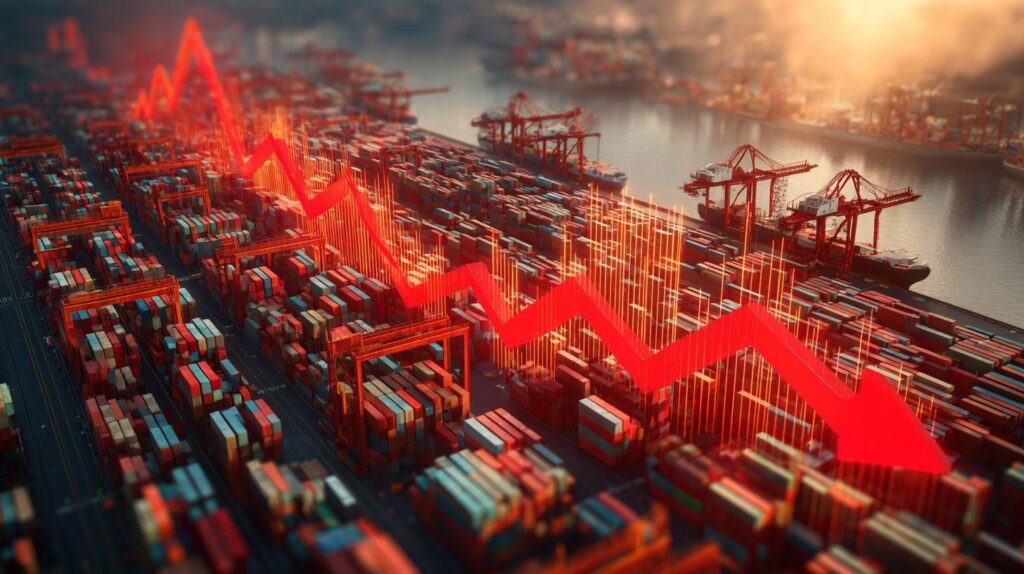
Procter & Gamble hedges a large portion of its forex exposure, limiting earnings volatility compared to peers. Hedging strategies use financial instruments to counter currency fluctuations in global supply chains. This stabilizes multinational stocks amid trade wars and tariff barriers.
Key instruments include FX forwards, commodity futures, and insurance captives. FX forwards lock in exchange rates for imports from regions hit by China-US tensions. Commodity futures protect against oil price swings affecting sea freight and trucking delays.
Insurance captives allow firms to self-insure against supplier risks and factory shutdowns. These tools mitigate impacts from labor shortages or semiconductor shortages. Companies like those in the automotive industry use them to safeguard stock volatility.
| Hedge Type | Coverage | Cost | Effectiveness |
| FX Forwards | Currency risk | Low premiums | High for predictable flows |
| Commodity Futures | Price volatility | Moderate margins | Strong against shortages |
| Insurance Captives | Disruption events | Custom reserves | Flexible for tail risks |
Technology Solutions (AI, Blockchain) (h3 #24)
Maersk and IBM’s TradeLens blockchain platform cut documentation time, improving stock stability for logistics firms. Technology solutions like AI and blockchain address supply chain issues such as customs delays and container shortages. They provide real-time insights into global trade flows.
AI forecasting predicts demand fluctuations and lead times, helping avoid stockouts and backorders. IoT monitoring tracks shipments via air freight and sea freight, reducing transportation bottlenecks. Digital twins simulate factory operations to cut excess inventory.
Blockchain ensures vendor reliability through transparent tracking, countering counterfeit risks. These tools enhance supply chain visibility amid Red Sea disruptions or Suez Canal blockages. Multinational stocks benefit from lower cost increases and better fill rates.
| Solution | Key Benefit | Implementation Cost | ROI Potential |
| AI Forecasting | Demand prediction | Moderate software | Reduced stockouts |
| IoT Tracking | Real-time visibility | Sensor hardware | Fewer delays |
| Digital Twins | Inventory optimization | Simulation platforms | Lower holding costs |
10. Future Outlook and Predictions (h2 #10)
Disruptions will cost multinational stocks heavily as supply chain issues escalate. Investors face stock volatility from ongoing global trade tensions and logistics bottlenecks. Resilient strategies like diversification become essential.
Geopolitical tensions, such as China-US decoupling, threaten profit margins for companies like Apple and Tesla. Shipping delays and port congestion continue to drive up freight costs. Firms adopting nearshoring gain a competitive edge.
Emerging threats demand risk management focus. ESG factors and sustainability efforts help mitigate long-term impacts on stock prices. Experts recommend scenario planning for recession risks and interest rate shifts.
Building agile supply chains with AI optimization and blockchain tracking prepares investors for uncertainty. Multinational corporations prioritizing vendor reliability and inventory stockpiles protect shareholder value. Proactive hedging against currency fluctuations stabilizes earnings reports.
Emerging Risks (h3 #25)
Climate disruptions could cut global GDP significantly by mid-century, hitting supply chains hardest. Labor shortages from migration strain manufacturing in key regions. Companies like Nike face factory shutdowns and raw material scarcity.
Here are the top five emerging risks ranked by potential impact on multinational stocks:
- Climate migration and labor disruptions: Population shifts disrupt workforce availability, leading to production halts in electronics and automotive sectors.
- Cyber supply chain attacks: Vulnerabilities expose vendor networks, causing transportation bottlenecks and data breaches for Fortune 500 firms.
- US-China decoupling: Tech splits create tariff barriers and supplier risks, pressuring stock prices for semiconductor-dependent companies.
- Resource nationalism: Governments restrict commodity exports, spiking oil prices and input costs for consumer goods producers.
- Water scarcity: Manufacturing hubs suffer inventory shortages, impacting fill rates and on-time delivery worldwide.
To counter these, investors should prioritize diversification strategies like reshoring. Monitor earnings reports for signs of cost increases and capacity utilization drops. Stress testing portfolios against these risks builds resilience.
Frequently Asked Questions
How do global supply chain issues impact multinational stocks?
Global supply chain issues, such as disruptions from pandemics, trade wars, or natural disasters, significantly impact multinational stocks by increasing production costs, delaying deliveries, and reducing profitability. Companies reliant on international suppliers face higher expenses for raw materials and logistics, leading to squeezed margins and potential stock price declines as investors react to earnings shortfalls.
What are the main causes of global supply chain issues affecting multinational stocks?
The primary causes include geopolitical tensions, labor shortages, port congestions, and raw material scarcity. These factors disrupt the flow of goods across borders, causing multinational stocks to experience volatility as markets price in prolonged uncertainties and potential revenue losses for firms like automakers or tech giants with complex global networks.
How do tariffs and trade policies exacerbate supply chain issues for multinational stocks?
Tariffs and shifting trade policies heighten supply chain costs by imposing additional duties on imports, forcing multinationals to reroute sourcing or absorb expenses. This often results in downward pressure on multinational stocks, as seen in past U.S.-China trade disputes, where affected companies reported lower earnings forecasts and share price drops.
In what ways do supply chain disruptions lead to stock price volatility in multinationals?
Supply chain disruptions create uncertainty, prompting investors to sell off shares amid fears of inventory shortages and halted production. Multinational stocks become highly volatile, with sharp declines during crisis peaks (e.g., COVID-19 chip shortages) and recoveries as resolutions emerge, reflecting amplified market sensitivity to global logistics news.
How can multinational companies mitigate supply chain risks to stabilize their stocks?
Companies mitigate risks through diversification of suppliers, nearshoring production, and building inventory buffers, which helps cushion multinational stocks against disruptions. Investors favor such proactive strategies, often rewarding resilient firms with steadier stock performance during global supply chain turbulence.
What historical examples illustrate how global supply chain issues have impacted multinational stocks?
Historical cases like the 2011 Japan tsunami disrupting auto parts supply (hitting Toyota and GM stocks) and the 2021 Suez Canal blockage demonstrate rapid multinational stock declines due to halted shipments. These events underscore how global supply chain issues can erase billions in market value overnight for interconnected corporations.