
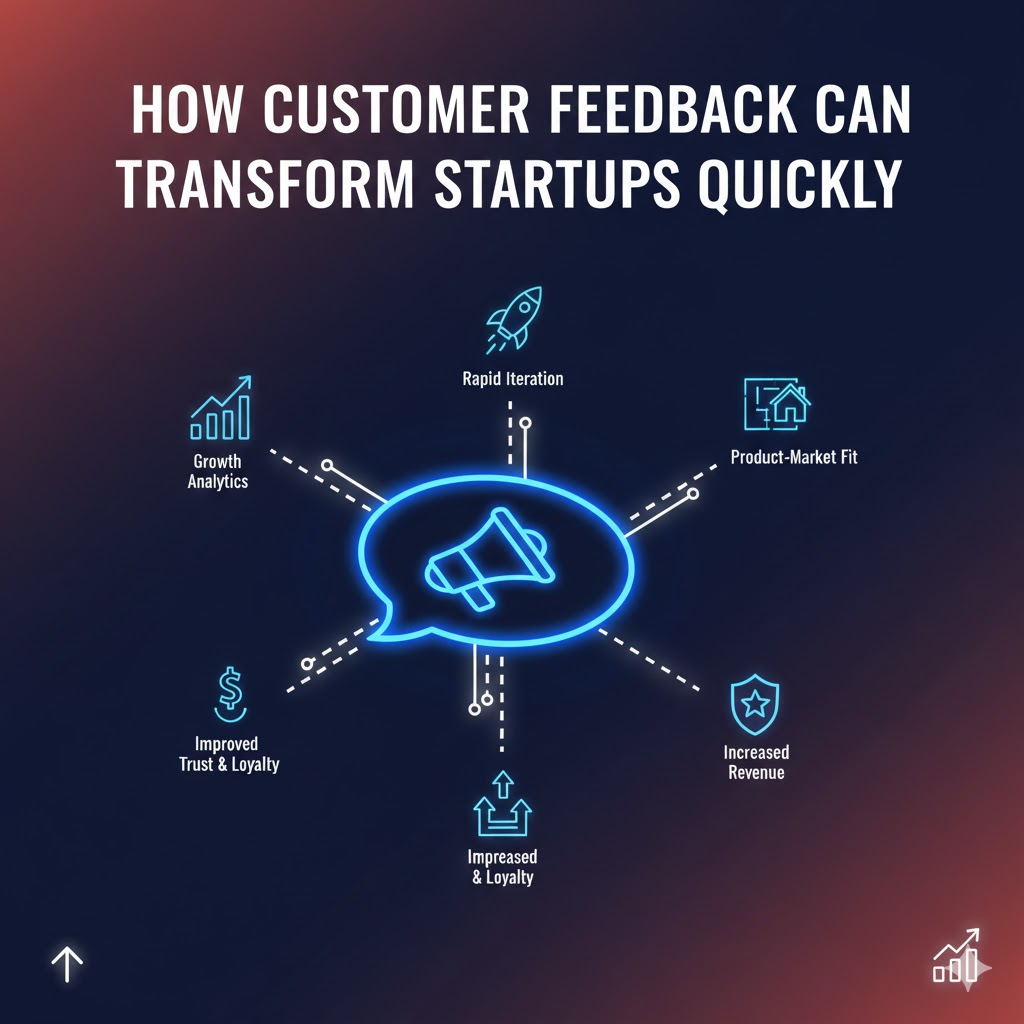
For startups, speed and adaptability often determine success or failure. One of the fastest and most effective ways to improve products, refine strategy, and achieve product market fit is by listening closely to customers. Customer feedback is not just opinion. It is real world data that can guide smarter decisions and accelerate growth.
When used correctly, customer feedback can transform startups faster than expensive marketing or long development cycles.
Why Customer Feedback Matters for Startups
Direct Insight Into Real Problems
Customer feedback reveals what users actually struggle with, not what founders assume they need. This clarity helps startups focus on solving real problems rather than building unnecessary features.
Early insights save time, money, and effort.
Faster Learning Than Market Research
Traditional research can be slow and expensive. Feedback from real users provides immediate learning that reflects real usage and expectations.
Improving Products Through Customer Feedback
Identify What to Fix First
Feedback highlights bugs, usability issues, and missing features. Startups can prioritize improvements that have the highest impact on user satisfaction.
This prevents wasted development effort.
Build Features Customers Actually Want
Instead of guessing, startups can use feedback to guide product roadmaps. Features driven by user demand are more likely to succeed and be adopted quickly.
Customer driven development leads to stronger product market fit.
Speeding Up Product Market Fit
Validate Assumptions Early
Feedback helps validate or challenge core assumptions about pricing, positioning, and value. Early correction prevents long term misalignment.
Startups that adapt early gain a competitive edge.
Reduce Churn and Increase Retention
Listening to unhappy users helps identify why people leave. Fixing these issues improves retention, which is critical for sustainable growth.
Strengthening Customer Trust and Loyalty
Customers Feel Heard and Valued
When startups act on feedback, customers feel respected. This builds trust and emotional connection with the brand.
Loyal users often become advocates.
Turn Users Into Brand Ambassadors
Satisfied customers share positive experiences. Word of mouth driven by genuine engagement accelerates growth without high marketing costs.
Using Feedback to Improve Marketing and Messaging
Clearer Value Proposition
Customer language helps startups refine messaging. Using words customers naturally use makes marketing more relatable and effective.
Strong messaging improves conversions.
Identify Ideal Customer Profiles
Feedback reveals who benefits most from the product. This helps startups focus marketing and sales efforts on the right audience.
Building Better Internal Decisions
Data Driven Prioritization
Feedback turns opinions into evidence. Decisions backed by user input reduce internal conflict and improve execution speed.
Align Teams Around the Customer
Product, marketing, and support teams become more aligned when customer feedback is shared across the company.
Best Ways for Startups to Collect Feedback
Direct Conversations
Talking directly to users through calls or interviews provides deep insights. Open ended questions often reveal unexpected opportunities.
In App and Post Use Surveys
Short surveys capture feedback at the right moment. Timing matters as fresh experiences produce more accurate responses.
Customer Support Interactions
Support tickets and chats are valuable feedback sources. Repeated issues signal urgent problems.
Social Media and Community Channels
Public conversations offer honest opinions. Monitoring these channels helps identify trends and sentiment.
Common Mistakes Startups Make With Feedback
Listening Without Acting
Collecting feedback without action frustrates users. Feedback must lead to visible improvements.
Overreacting to Every Opinion
Not all feedback should drive decisions. Startups must look for patterns rather than isolated requests.
Ignoring Silent Users
Quiet users often represent the majority. Usage data combined with feedback provides a complete picture.
How to Turn Feedback Into Action Quickly
Categorize and Prioritize
Group feedback into themes such as usability, features, pricing, or performance. Focus first on high impact issues.
Test Small Changes Fast
Quick experiments allow startups to validate improvements before full rollout.
Communicate Improvements Clearly
Let customers know their feedback led to changes. This closes the feedback loop and builds trust.
Conclusion
Customer feedback is one of the most powerful tools a startup can use to grow quickly. It sharpens product focus, accelerates product market fit, strengthens loyalty, and improves decision making.
Startups that listen closely, act quickly, and communicate openly can transform faster than competitors who rely on assumptions. In fast moving markets, customer feedback is not optional. It is a competitive advantage.