
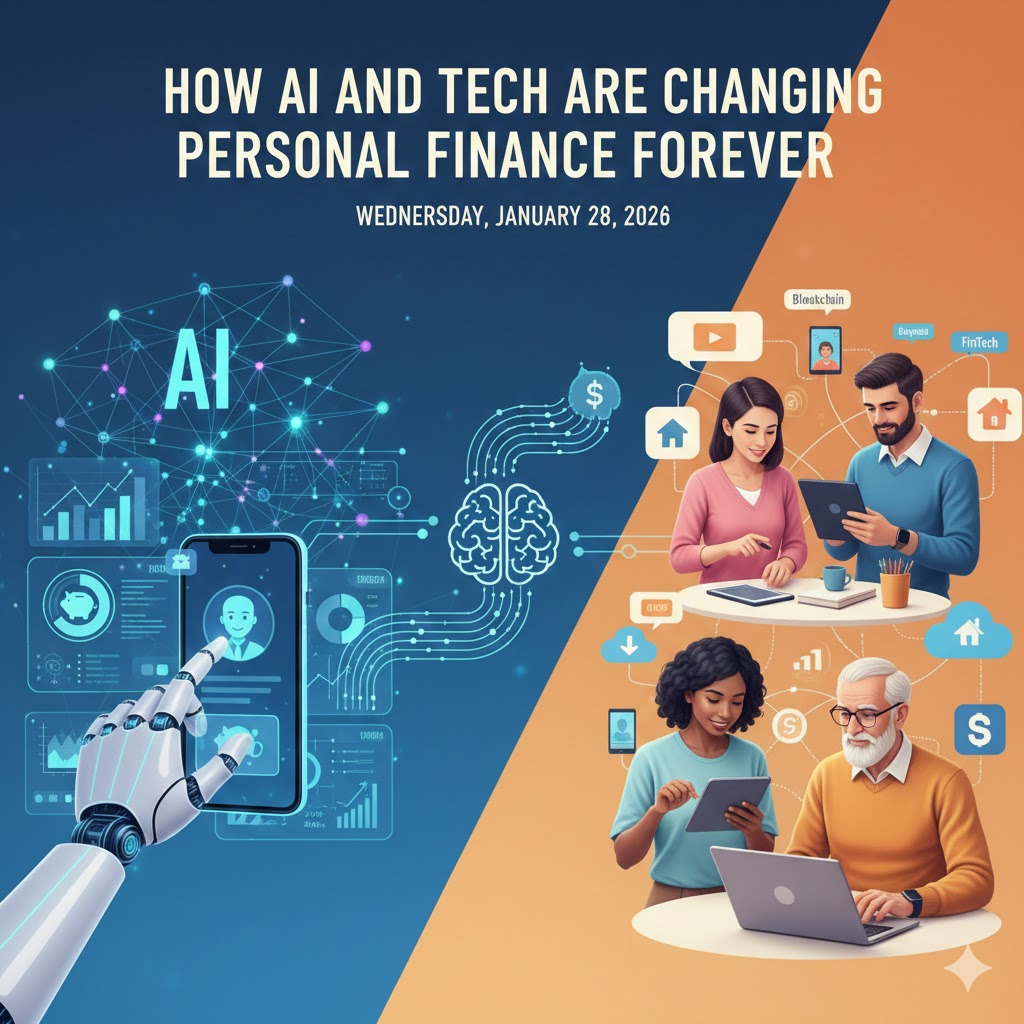
Personal finance used to be simple. You earned money, paid bills, saved what you could, and relied on banks or advisors for guidance. Today, technology especially artificial intelligence is reshaping how people earn, spend, save, and invest. What once required expert knowledge or high fees is now accessible through apps, automation, and data-driven insights.
AI and modern financial technology are not just improving personal finance. They are changing it permanently.
The Shift From Manual Money Management to Intelligent Systems
In the past, managing money required spreadsheets, paperwork, and constant attention. Now, AI-powered systems analyze financial behavior in real time and offer personalized recommendations.
Key changes include:
- Automatic categorization of expenses
- Real-time alerts for unusual spending
- Personalized budgeting suggestions
Instead of reacting to financial problems, users can now anticipate them.
Smarter Budgeting With AI Assistance
Budgeting has evolved from static monthly plans to adaptive systems.
AI-driven budgeting tools:
- Learn spending habits over time
- Adjust budgets automatically based on income changes
- Identify patterns humans often miss
This dynamic approach makes budgeting more realistic and sustainable, especially for freelancers or variable-income earners.
Automation Is Redefining Saving Habits
Saving money no longer depends entirely on discipline.
Modern finance apps use technology to:
- Automatically transfer small amounts into savings
- Round up purchases and invest spare change
- Trigger savings goals based on behavior
Automation reduces emotional decision-making and turns saving into a background habit rather than a constant effort.
Investing Is Becoming More Accessible
AI and technology have lowered the barriers to investing.
Innovations include:
- Robo-advisors that build and rebalance portfolios
- Fractional investing for expensive assets
- AI-powered risk assessment tools
These tools allow beginners to invest with confidence while helping experienced investors optimize strategies.
Personalized Financial Advice at Scale
Traditional financial advice was expensive and limited to high-net-worth individuals. AI has changed that.
Today’s digital advisors:
- Analyze income, goals, and risk tolerance
- Offer personalized recommendations instantly
- Continuously adjust advice as circumstances change
This democratization of financial guidance is one of the most impactful shifts in personal finance.
AI in Credit and Lending Decisions
AI is improving how creditworthiness is evaluated.
Instead of relying only on traditional credit scores, modern systems analyze:
- Transaction history
- Income stability
- Spending behavior
This broader view helps lenders make fairer decisions and gives more people access to credit opportunities.
Fraud Detection and Financial Security
One of AI’s strongest advantages is security.
AI systems monitor financial activity to:
- Detect unusual transactions in real time
- Identify fraud patterns faster than humans
- Reduce false alerts through behavior-based analysis
As digital payments grow, AI-driven security is becoming essential for protecting personal finances.
Digital Payments and the Cashless Future
Technology has accelerated the move toward digital payments.
Key developments include:
- Mobile wallets replacing physical cards
- Instant peer-to-peer payments
- Integration with budgeting and tracking tools
Payments are no longer isolated transactions they are part of a connected financial ecosystem.
Data Is Becoming the New Financial Asset
Personal finance tools rely heavily on data.
AI uses financial data to:
- Predict cash flow issues
- Recommend better financial products
- Optimize long-term planning
The challenge now is balancing convenience with privacy. Users must understand how their data is used and protected.
Behavioral Finance Meets Technology
AI does not just manage numbers it studies behavior.
Modern tools analyze:
- Emotional spending triggers
- Inconsistent saving habits
- Risk tolerance under stress
By addressing behavioral patterns, technology helps users make better financial decisions without constant willpower.
The Risks and Limitations of AI in Personal Finance
Despite its benefits, AI is not perfect.
Potential concerns include:
- Over-reliance on automation
- Bias in algorithms
- Data security and privacy risks
Human oversight remains essential. AI should support decisions, not replace financial understanding.
What This Means for the Future of Personal Finance
The future of personal finance is:
- More personalized
- More automated
- More data-driven
People will spend less time managing money manually and more time making strategic decisions aligned with their goals.
Financial literacy will shift from memorizing rules to understanding systems.
Frequently Asked Questions
Can AI completely replace financial advisors?
AI can handle routine planning and optimization, but complex financial decisions still benefit from human expertise.
Are AI finance apps safe to use?
Most reputable apps use strong encryption and compliance standards, but users should always review privacy policies.
Is AI only useful for investing?
No. AI impacts budgeting, saving, credit, fraud prevention, and long-term financial planning.
Will technology make managing money easier for beginners?
Yes. User-friendly tools reduce complexity and help beginners build confidence faster.
How can I prepare for this tech-driven financial future?
Improve financial literacy, understand automation tools, and stay informed about data privacy and security.
Final Thoughts
AI and technology are not just improving personal finance they are redefining it. Money management is shifting from effort-based habits to intelligent systems that learn, adapt, and support better decisions.
However, the most powerful combination remains technology plus awareness. When people understand how AI works and use it intentionally, personal finance becomes more efficient, inclusive, and empowering.
The future of money management is already here, and it is changing how we think about wealth, security, and financial freedom.