Business News

image

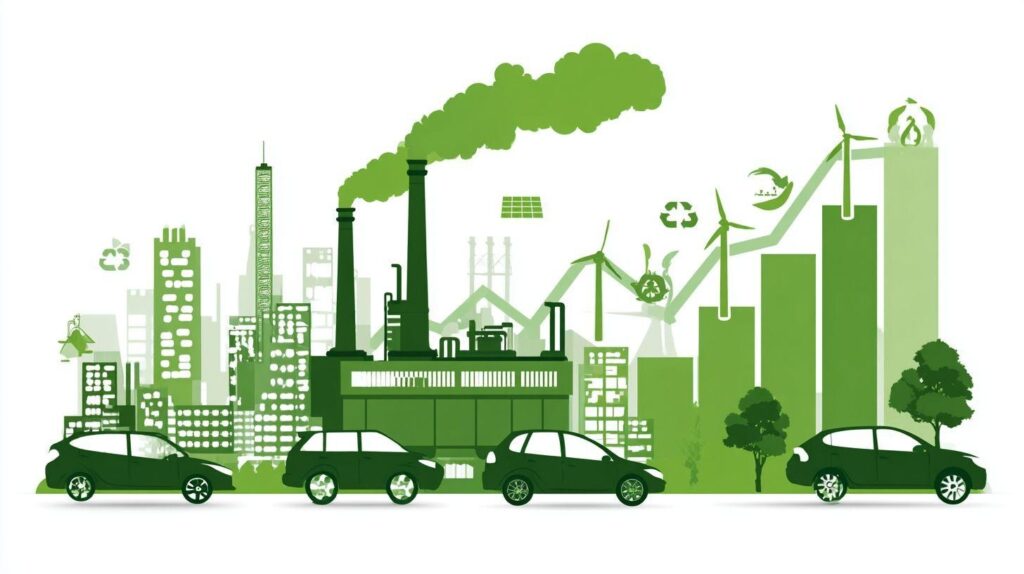
The Impact of Plastic-Free Legislation on Global Brands

A $500 billion plastic packaging market faces upheaval as governments worldwide enforce plastic-free laws. From EU single-use bans to Asia-Pacific initiatives and North American regulations, global brands grapple with soaring costs, supply disruptions, and redesign mandates. Yet, amid challenges lie innovation in biodegradables and sustainability edges. Discover how FMCG giants adapt-and what it means for […]

The Impact of Plastic-Free Legislation on Global Brands Read More »

image

The Future of Commercial Real Estate: Micro-Hubs vs. HQs

As corporations slash HQ footprints by 40% post-pandemic-per JLL’s 2023 Global Real Estate Outlook-the battle lines are drawn: sprawling headquarters versus nimble micro-hubs. This seismic shift redefines work, costs, and sustainability. Discover their defining features, head-to-head comparisons on productivity and scalability, real-world case studies, and bold 2030 predictions to future-proof your strategy. Post-Pandemic Work Trends

The Future of Commercial Real Estate: Micro-Hubs vs. HQs Read More »

image

Why Small Towns are Becoming the New Hubs for Tech Talent

Tech talent is fleeing Silicon Valley’s skyscrapers for Bozeman’s mountains and Chattanooga’s riversides. Once dismissed as sleepy backwaters, small towns now lure professionals with affordable housing, superior quality of life, and blazing-fast connectivity via Starlink and 5G. This shift, fueled by remote work and economic incentives, redefines innovation hubs. Discover the drivers, success stories, and

Why Small Towns are Becoming the New Hubs for Tech Talent Read More »

image

Why Transparency in Carbon Footprint Reporting is Mandatory

In 2023, greenwashing lawsuits surged 30%, per ClientEarth data, exposing companies hiding true emissions. As climate tipping points loom, transparency in carbon footprint reporting isn’t optional-it’s mandatory. This article explores regulatory mandates like the EU CSRD and SEC rules, corporate risks, investor demands, Scope 3 challenges, standardization benefits, and tech enablers, revealing why opacity invites

Why Transparency in Carbon Footprint Reporting is Mandatory Read More »

image

Why Direct-to-Consumer Brands are Returning to Physical Retail

Direct-to-consumer brands, once e-commerce darlings, are flocking back to brick-and-mortar stores. Why abandon the digital throne? This shift matters as hybrid models drive superior sales and retention, per recent McKinsey data. Explore the rise of DTC, key drivers like sensory engagement and trust-building, data insights, case studies from Warby Parker and Allbirds, plus challenges and

Why Direct-to-Consumer Brands are Returning to Physical Retail Read More »

Why Global Brands Are Shifting Manufacturing to Asia

Why Global Brands Are Shifting Manufacturing to Asia

Global brands are increasingly shifting manufacturing to Asia as part of long-term growth and supply chain strategies. Factors such as cost efficiency, skilled labor, strong infrastructure, and access to fast-growing markets are driving this move. For many businesses, Asia now offers the right balance of affordability, scalability, and operational stability. This article explains the key

Why Global Brands Are Shifting Manufacturing to Asia Read More »

New Tax Policies That Will Impact Businesses in 2026

New Tax Policies That Will Impact Businesses in 2026

As governments adapt to changing economic conditions, digital growth, and sustainability goals, new tax policies are expected to reshape how businesses operate in 2026. These changes aim to improve compliance, expand tax bases, and align taxation with modern business models. For companies of all sizes, understanding upcoming tax policies will be critical for financial planning

New Tax Policies That Will Impact Businesses in 2026 Read More »

Corporate Debt Levels Rise What This Means for Investors

Corporate Debt Levels Rise What This Means for Investors

Corporate debt levels are increasing across global markets, drawing close attention from investors. Companies are borrowing more to manage rising costs, refinance existing loans, and fund growth initiatives. While debt can be a useful financial tool, higher debt levels also increase risk if not managed carefully. For investors, understanding the reasons behind rising corporate debt

Corporate Debt Levels Rise What This Means for Investors Read More »

Private Equity Firms Increase Stakes in Tech Startups

Private Equity Firms Increase Stakes in Tech Startups

Private equity firms are steadily increasing their investments in tech startups, signaling strong confidence in the sector’s long-term growth potential. As technology continues to reshape industries and redefine business models, private equity players are moving beyond traditional buyouts to secure meaningful stakes in innovative, high-growth companies. This shift reflects changing market dynamics, evolving investment strategies,

Private Equity Firms Increase Stakes in Tech Startups Read More »

Digital Transformation Becomes Mandatory: Here’s Why

Digital Transformation Becomes Mandatory: Here’s Why

Digital transformation was once viewed as a competitive advantage, something progressive companies pursued to stay ahead of the curve. Today, that mindset has changed. Across industries, digital transformation is no longer optional. It has become a business necessity driven by market pressure, customer expectations, and the pace of technological change. Organizations that delay digital adoption

Digital Transformation Becomes Mandatory: Here’s Why Read More »