
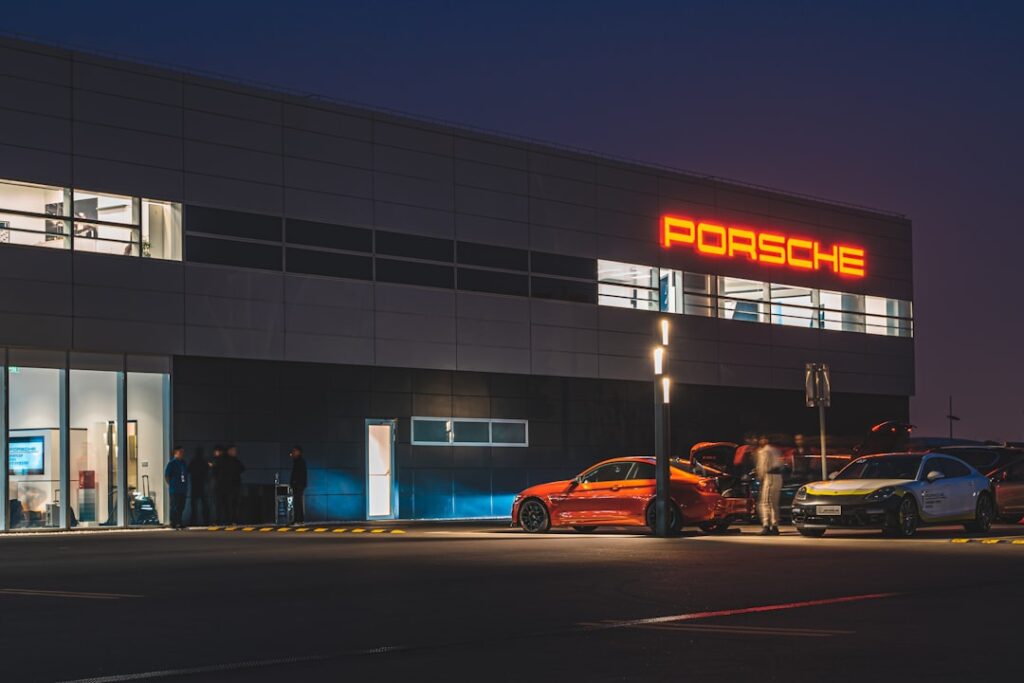
Porsche Makes Dramatic Strategic Retreat, Eliminates 500+ Jobs
In a bold—and decidedly painful—strategic recalibration, Porsche has announced the closure of three subsidiary operations, sending shockwaves through the automotive industry and directly impacting more than 500 employees. The German automaker is consolidating its sprawling business portfolio, turning its back on ambitious diversification efforts to refocus on what it does best: building high-performance sports cars.
The closures encompass the company’s e-bike division, battery operations, and software subsidiaries—three areas the company had invested substantially in as it attempted to position itself for the electrified future. The decision represents a stark reversal from Porsche’s recent diversification strategy, signaling that the company believes its competitive advantage lies exclusively in automotive manufacturing rather than adjacent market segments.
CEO Takes the Helm During Difficult Restructuring
Porsche CEO and executive chair Michael Leiters didn’t mince words when explaining the rationale behind the controversial decision. “We must refocus on our core business,” he stated bluntly. “This is the indispensable foundation for a successful strategic realignment. This forces us to make painful cuts—including our subsidiaries.”
The candor in Leiters’ statement reflects the gravity of the situation. The executive chair openly acknowledged that these aren’t abstract business decisions; they’re human decisions with real consequences for the hundreds of workers who will be affected by the restructuring. By framing the cuts as “painful” rather than merely “necessary,” Leiters signaled that leadership understands the human cost of their strategic choices.
The E-Bike Gambit Falls Short
The e-bike subsidiary represents one of the more symbolic casualties in this reorganization. In recent years, established automotive manufacturers have increasingly looked beyond traditional vehicle production, recognizing that mobility solutions come in many forms. Porsche’s e-bike venture was an attempt to leverage the company’s brand prestige and engineering expertise into the rapidly growing micromobility market.
However, the e-bike market has proven more crowded and competitive than anticipated, with established cycling companies and startups alike vying for market share. Despite the global shift toward sustainable transportation solutions, Porsche apparently concluded that the division wasn’t generating sufficient returns to justify the continued investment and management attention.
Battery and Software: High Stakes Bets That Didn’t Pan Out
The closure of the battery subsidiary is particularly noteworthy given the ongoing transition to electric vehicles across the automotive industry. Battery technology and production capacity have become increasingly critical competitive factors, as automakers compete to secure reliable supply chains and develop proprietary battery innovations.
By shuttering its battery operation, Porsche is essentially betting that it can rely on external partners and suppliers for this crucial component rather than developing in-house capabilities. This decision may reflect confidence in existing supply chain relationships or a calculation that the investment required to compete meaningfully in battery manufacturing exceeds the strategic value.
Similarly, the software subsidiary closure suggests that Porsche has reassessed its ability to compete in software development—an area where traditional automotive companies often struggle against tech-native competitors. By consolidating software development internally or outsourcing to specialized firms, Porsche may be acknowledging the limits of trying to build world-class capabilities across too many domains simultaneously.
The Consolidation Imperative
This restructuring reflects a broader trend across the automotive industry: companies attempting to do too much often end up doing nothing particularly well. The most successful automakers tend to maintain laser focus on their core competencies while carefully selecting which adjacent businesses warrant investment.
For Porsche, that core competency remains crystal clear—manufacturing distinctive, high-performance vehicles that appeal to affluent consumers worldwide. The company’s brand equity, engineering prowess, and manufacturing expertise are all concentrated in automotive production. Attempting to simultaneously compete in e-bikes, battery manufacturing, and software development dilutes both financial resources and management focus.
Looking Ahead
The impact on the 500-plus affected employees will likely be significant, though the announcement didn’t provide details about severance packages, transition assistance, or relocation support. For Porsche as an organization, the restructuring represents a recommitment to its identity as a premium automaker operating in the luxury vehicle segment.
Whether this strategic realignment proves prescient or shortsighted will become clear in coming years. For now, Porsche is making a clear statement: in an increasingly complex business environment, sometimes the path to success means saying no to opportunities that don’t align with core strengths—no matter how promising they might initially appear.
This report is based on information originally published by TechCrunch. Business News Wire has independently summarized this content. Read the original article.