
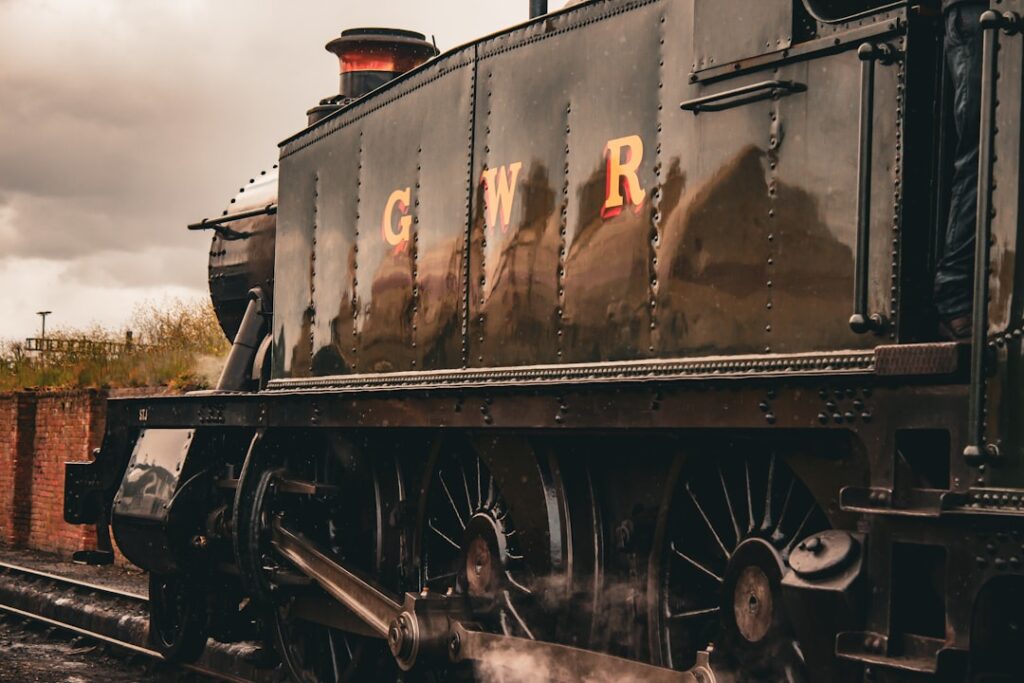
Major UK Train Operator Heads Toward Government Takeover
The Great Western Railway (GWR), which operates a crucial transport corridor connecting London with South Wales, is preparing to transition from private operation into direct government control. This significant development is expected to materialize within the coming months, representing another milestone in the UK’s complex relationship with railway privatization and public service delivery.
The impending shift reflects broader policy decisions within Westminster to reassert state authority over rail infrastructure and operations. Rather than pursuing an outright purchase or negotiated buyout, the government’s approach represents a strategic recalibration of how Britain manages one of its most essential transportation networks—a decision that will inevitably shape passenger experiences, operational efficiency, and public investment priorities for years to come.
Understanding GWR’s Strategic Importance
The Great Western Railway holds particular significance within Britain’s rail landscape. Operating services across the London-to-South Wales corridor, GWR serves millions of commuters and leisure travelers annually. The franchise encompasses multiple routes, connecting major population centers and economic hubs, making its operational performance a matter of considerable national interest.
The railway’s extensive network includes both commuter services and longer-distance express routes. For passengers throughout the Southeast and South Wales regions, GWR represents an essential alternative to congested road networks. The operator’s performance metrics—including punctuality, passenger satisfaction, and service reliability—directly influence the daily experiences of countless British travelers and indirectly affect regional economic productivity and quality of life.
The Return to Public Ownership
The transition to government control signals a notable shift in contemporary transportation policy. Rather than continuing the decades-long experiment with private franchise operations, the decision reflects accumulated frustrations with existing arrangements and mounting pressure to prioritize public interest over commercial profit margins.
This move doesn’t occur in isolation. It represents part of a larger restructuring of Britain’s privatized rail network, where various operators have faced criticism regarding service quality, investment levels, and responsiveness to passenger needs. By bringing GWR under direct government management, policymakers apparently believe they can better align operational decisions with public welfare objectives rather than shareholder returns.
Timeline and Implementation
The government has indicated that the takeover will proceed within months, suggesting a relatively expedited transition process. Such timeframes require careful coordination between existing private management, government agencies, and regulatory bodies to ensure minimal disruption to ongoing services. The compressed timeline also underscores official confidence in the transition’s feasibility and the apparent urgency surrounding the decision.
Implementation will likely involve complex administrative procedures, including workforce assessments, infrastructure audits, and operational protocol adjustments. During this critical transition period, maintaining service continuity becomes paramount—passengers depend on uninterrupted transport, and any significant disruption could generate considerable public backlash and economic consequences.
Broader Implications for UK Rail Policy
The GWR renationalization contributes to an ongoing conversation about optimal governance structures for essential public services. Critics of the privatization model argue that competition and profit incentives haven’t delivered superior service quality or innovation. Advocates for public ownership contend that eliminating profit extraction allows fuller reinvestment in infrastructure, staffing, and passenger amenities.
Conversely, some observers worry that returning railways to government control may introduce bureaucratic inefficiencies and reduce operational flexibility. These competing perspectives reflect genuine tensions between ideological preferences and practical outcomes in public service management.
The GWR case will provide valuable empirical evidence regarding whether government-operated railways can indeed outperform private franchises. Success or failure will inevitably influence future policy decisions affecting other rail operators currently operating under private contracts.
Looking Ahead
As the transition approaches, all stakeholders—passengers, employees, investors, and policymakers—face a period of significant change. The coming months will reveal whether renationalization represents a strategic correction or a politically-motivated detour from more effective operational models.
What remains certain is that the Great Western Railway’s transition symbolizes the evolving debate over how Britain funds, manages, and delivers essential transportation infrastructure in an era of heightened public scrutiny and changing political priorities.
This report is based on information originally published by BBC News. Business News Wire has independently summarized this content. Read the original article.