
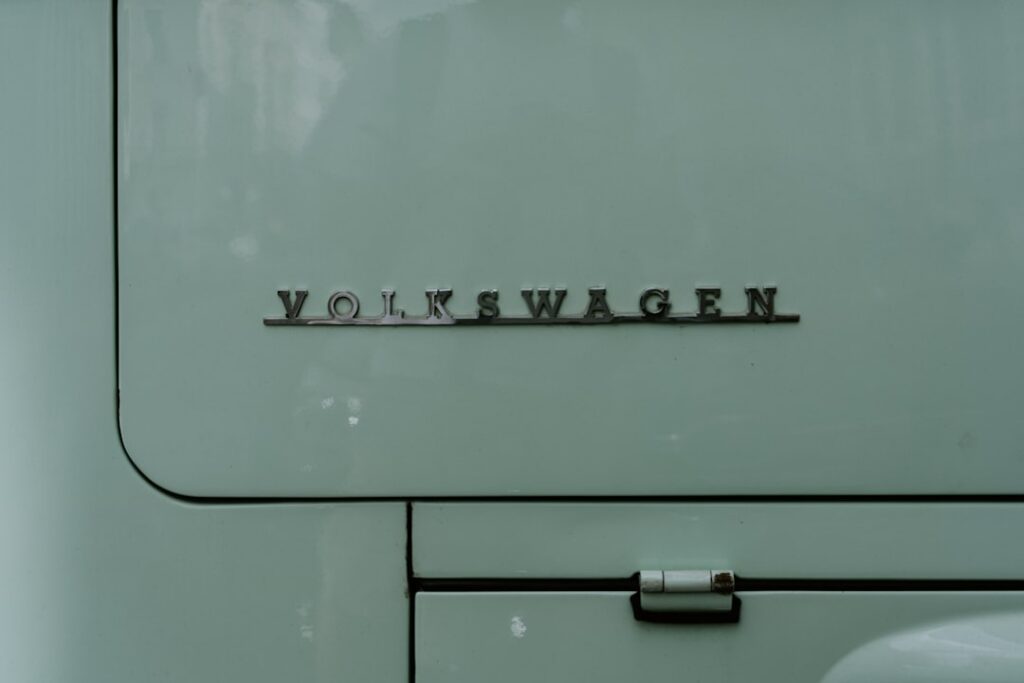
VW’s Power Play Reshapes Rivian’s Leadership Structure
In a dramatic shift of corporate influence within the electric vehicle sector, Volkswagen Group has ascended to become Rivian’s top shareholder, effectively displacing Amazon from its longstanding dominant position. This significant realignment marks a pivotal moment in the ongoing transformation of the automotive industry, where traditional powerhouses are increasingly betting on cutting-edge EV technology and partnerships with innovative startups.
The move comes as part of a comprehensive strategic arrangement between the two companies, centered around a substantial $5.8 billion joint venture. This financial commitment represents far more than a simple investment—it signals Volkswagen’s serious intent to accelerate its transition toward electric mobility while simultaneously gaining deeper access to Rivian’s proprietary technology, manufacturing expertise, and product pipeline.
The $5.8 Billion Joint Venture: A Game-Changer for Both Companies
The structural foundation of this partnership extends well beyond a traditional equity stake. The joint venture agreement establishes a comprehensive framework that will enable ongoing capital infusions, with Volkswagen’s ownership percentage expected to grow substantially over the coming years. This progressive approach suggests that both parties envision a long-term, deeply integrated relationship rather than a simple financial transaction.
For Volkswagen, the arrangement provides a compelling pathway to leapfrog competitors in the race toward next-generation battery technology, software platforms, and manufacturing innovations. The German automaker faces mounting pressure to prove its commitment to electrification while simultaneously managing the complexities of transitioning its massive global manufacturing footprint away from internal combustion engines. Rivian represents an opportunity to acquire not just financial exposure to growth, but access to cutting-edge technological capabilities that could accelerate this transition considerably.
Rivian, for its part, secures a deep-pocketed strategic partner with unparalleled manufacturing experience, global distribution networks, and supply chain infrastructure. The startup has historically navigated challenging market conditions while working to scale production of its R1T pickup trucks and R1S sport utility vehicles. With Volkswagen’s backing, Rivian gains the financial runway and operational support necessary to pursue ambitious expansion plans without the existential pressure that has characterized the EV startup ecosystem.
Amazon’s Displacement: What It Means
Amazon’s transition from top shareholder to secondary position represents an interesting inflection point in the e-commerce giant’s relationship with the electric vehicle sector. The company’s initial investment in Rivian stemmed from its broader sustainability commitments and desire to develop custom electric delivery vehicles for its logistics operations. However, Amazon’s primary focus remains its core business operations, and the company has shown less inclination to deeply integrate with Rivian’s broader strategic vision.
This shift doesn’t necessarily indicate any fundamental problems with Amazon’s original investment thesis. Rather, it reflects the natural evolution of capital structures when strategic partners with complementary businesses enter the picture. Amazon remains a significant stakeholder and customer, but now operates within a partnership structure where Volkswagen holds greater influence over the direction of company strategy.
Implications for the Electric Vehicle Industry
The reshuffling of Rivian’s ownership structure sends ripples across the entire automotive and technology sectors. It demonstrates that legacy automakers are willing to make substantial commitments to secure access to EV innovation, rather than attempting to develop everything internally. This approach validates the startup-driven innovation model in automotive technology while also suggesting that successful EV companies will likely involve deep partnerships with established manufacturers.
The arrangement also highlights the competitive pressures facing the EV industry, where capital requirements for scaling production, developing new platforms, and competing globally have become increasingly substantial. Startups that can attract serious strategic partnerships with industrial powerhouses appear better positioned to navigate the challenging path toward profitability and scale.
As Volkswagen’s ownership stake grows under the terms of the joint venture, expect to see increasingly coordinated technology development, shared manufacturing strategies, and integrated product planning between the two companies. This partnership may well serve as a template for how established automakers and innovative EV startups can collaborate to accelerate the industry’s transformation.
This report is based on information originally published by TechCrunch. Business News Wire has independently summarized this content. Read the original article.