
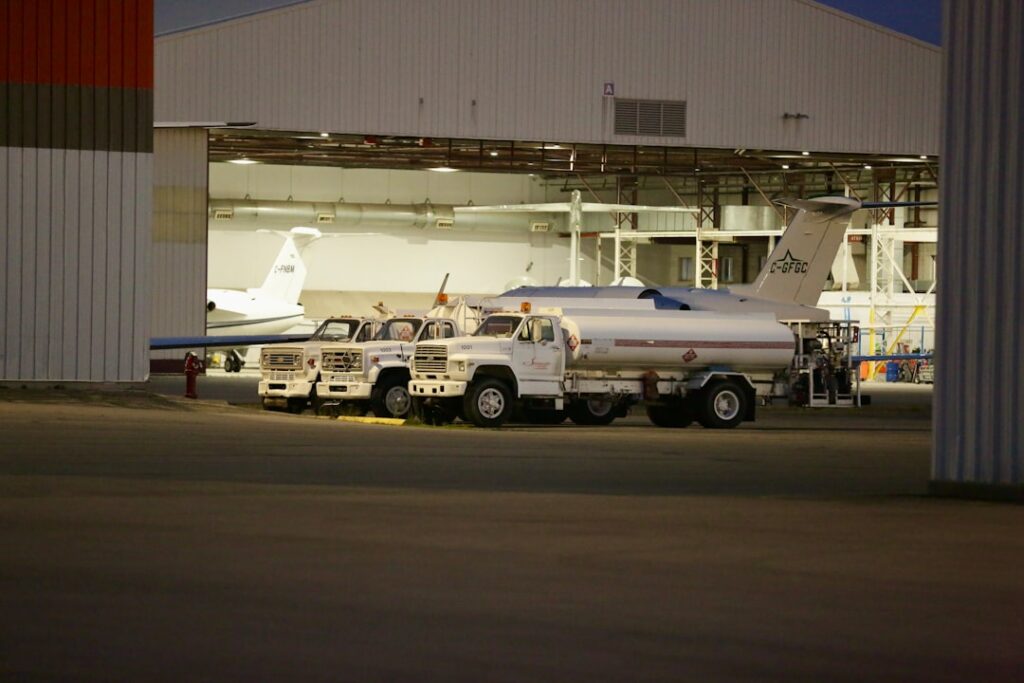
Summer Holidays Face Uncertainty as Jet Fuel Crisis Looms
As families worldwide prepare for their annual summer escapes, a less visible but potentially significant threat is materializing behind the scenes. Jet fuel shortages are emerging as a genuine concern for the aviation industry, raising critical questions about whether travelers will experience disruptions to their holiday plans during the busiest travel season of the year. The prospect of constrained fuel supplies during peak summer months could create a perfect storm of challenges for airlines, travel agencies, and vacationers alike.
The significance of this issue cannot be overstated. Summer represents the pinnacle of the travel season, when airports worldwide experience their highest passenger volumes and airlines operate at maximum capacity. Any disruption to jet fuel availability during this period could cascade through the entire aviation ecosystem, potentially affecting millions of travelers and billions of dollars in tourism revenue.
Understanding the Fuel Supply Challenge
The root causes of current jet fuel pressures are multifaceted and interconnected. Global refinery capacity constraints, geopolitical tensions affecting oil production, and increased demand as post-pandemic travel patterns normalize have all contributed to tightening supply dynamics. Additionally, the transition toward sustainable aviation fuels is creating complexity in the fuel supply chain, as refineries worldwide adjust their operations to produce alternative fuels while maintaining conventional jet fuel production.
Refineries operate on razor-thin margins and cannot quickly pivot production without significant investment and time. When unexpected demand surges occur, or supply disruptions happen, the system struggles to respond adequately. The specialized nature of jet fuel—which must meet stringent safety and performance specifications—means that fuel designed for other purposes cannot simply be repurposed for aviation, further limiting flexibility in the supply chain.
Potential Impacts on Travelers and Airlines
Should fuel shortages materialize during summer travel season, the consequences could be substantial and varied. Airlines might face difficult decisions about flight schedules, potentially reducing frequencies on certain routes or canceling services altogether. For travelers, this could translate into limited flight availability, higher ticket prices, and greater difficulty securing seats during peak travel periods.
The economic implications extend far beyond individual travelers. Airlines operating with fuel constraints may need to implement cost-reduction measures, potentially affecting service quality or routes serving smaller markets. Tourism-dependent destinations could see reduced visitor numbers if flight availability becomes limited. Hotels, restaurants, attractions, and local businesses relying on summer tourism revenue face potential income losses if travel disruptions discourage vacations.
Operational challenges would mount quickly. Fuel shortages might force airlines to implement fuel-saving measures, such as adjusting flight routes or reducing aircraft capacity by flying smaller planes. While these tactics help manage limited supplies, they ultimately reduce the industry’s ability to transport passengers, creating bottlenecks at major hub airports.
Strategic Solutions and Industry Responses
The aviation industry and government bodies are not sitting idle in the face of these challenges. Airlines are exploring multiple avenues to enhance resilience, including long-term fuel supply contracts that lock in availability and building strategic fuel reserves at major airports. Some carriers are also investing in fleet modernization, replacing older, less efficient aircraft with newer models that consume less fuel per passenger.
Governments worldwide are considering policy interventions to support fuel supply stability. These might include incentivizing refinery investment, streamlining regulations around sustainable aviation fuel production, or implementing strategic petroleum reserves management specifically for aviation fuel. International coordination through aviation authorities is also critical, as fuel supply challenges cross borders and affect global travel networks.
The industry is accelerating investments in sustainable aviation fuels as a long-term solution. While these alternatives cannot immediately solve current shortages, they represent a pathway toward reducing dependency on traditional petroleum-based jet fuel and building a more resilient supply chain for future years.
What Travelers Should Know Now
For those planning summer holidays, the situation warrants attention but not alarm. While fuel shortages pose genuine risks, the industry has demonstrated its capacity to adapt under pressure. Travelers can take proactive steps to protect their plans: booking flights well in advance, building flexibility into itineraries, maintaining travel insurance, and staying informed about airline announcements regarding schedule changes.
The conversation around jet fuel availability also highlights broader challenges in aviation’s infrastructure and sustainability. As global demand for air travel continues growing, ensuring adequate fuel supply while transitioning to cleaner alternatives represents one of the industry’s defining challenges.
Summer holiday disruptions are not inevitable, but they remain a legitimate possibility if fuel supply issues persist or worsen. Industry stakeholders are mobilizing resources and developing contingency plans, yet the ultimate outcome depends on factors beyond any single entity’s control—global oil production, geopolitical stability, and continued investment in aviation infrastructure.
<SOURCE_ATTRIBUTION: This report is based on information originally published by BBC News. Business News Wire has independently summarized this content. Read the original article.